The beaches of Menorca
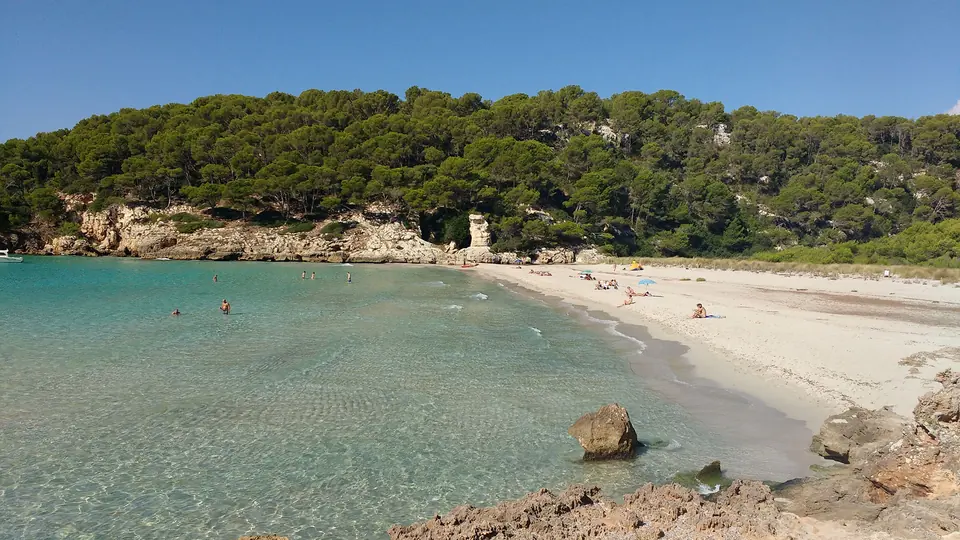
The principal attraction and hence the most valued resource of the island are the beaches. As a result, the most important type of tourism in Menorca is still that of 'sun and sand' along with nautical tourism.
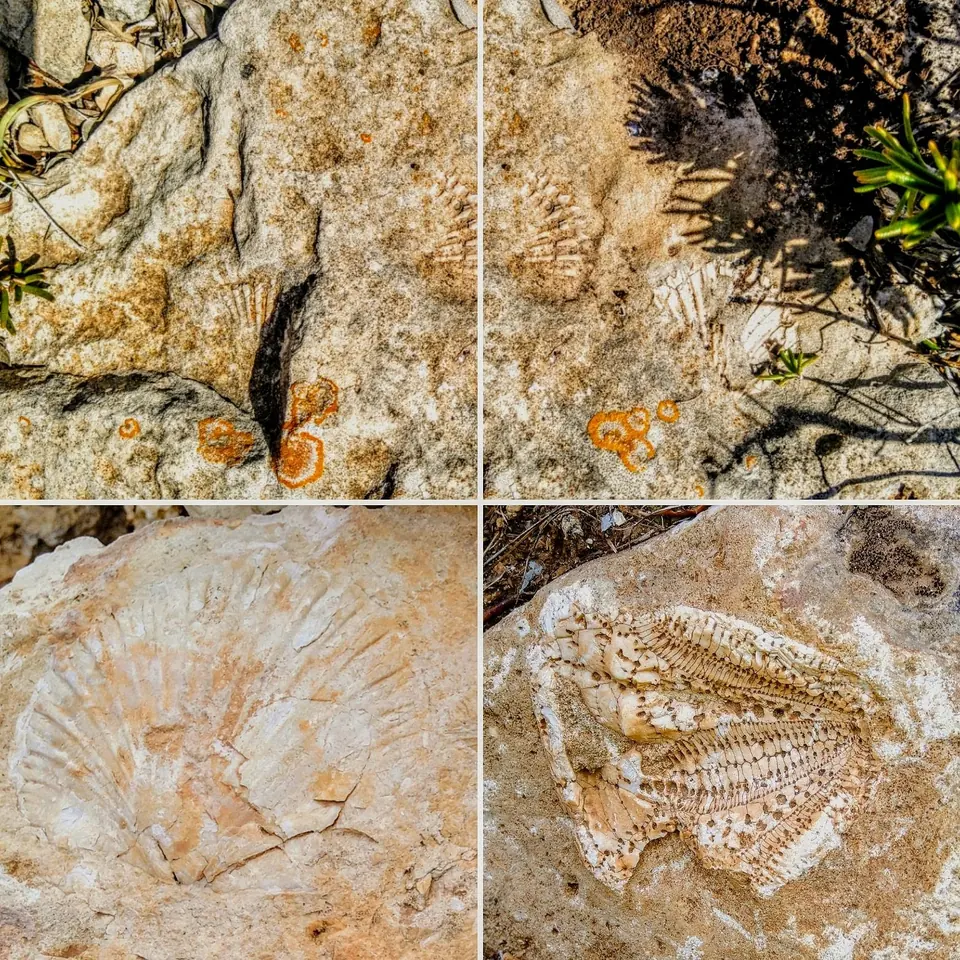
One of the things that most surprises the first-time visitor to Menorca is the tremendously varied landscape for such a small island. Although human activity over the centuries has played a part, the fundamental factor behind this marvellous variety is the extraordinary geodiversity of the island. The rock formations, which include the oldest of the Balearic islands, span some 400 million years.
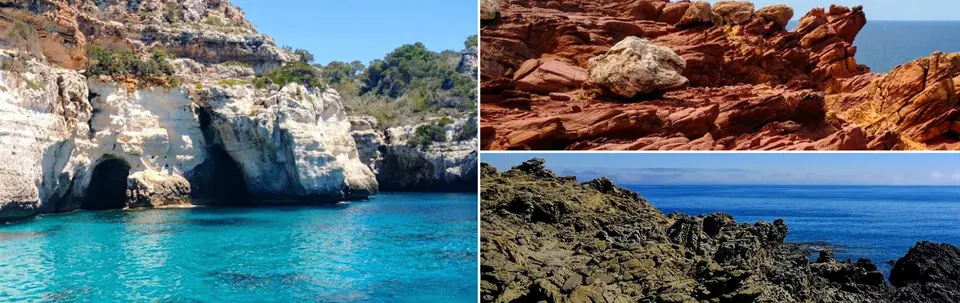
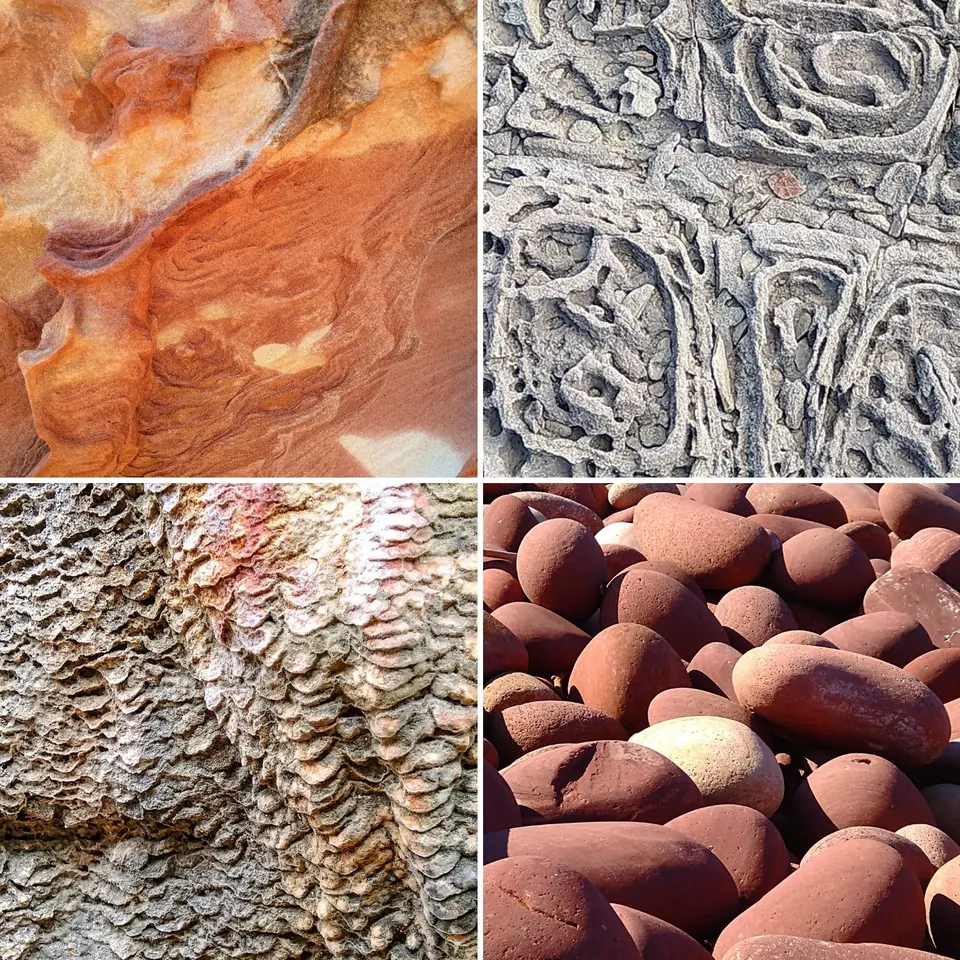
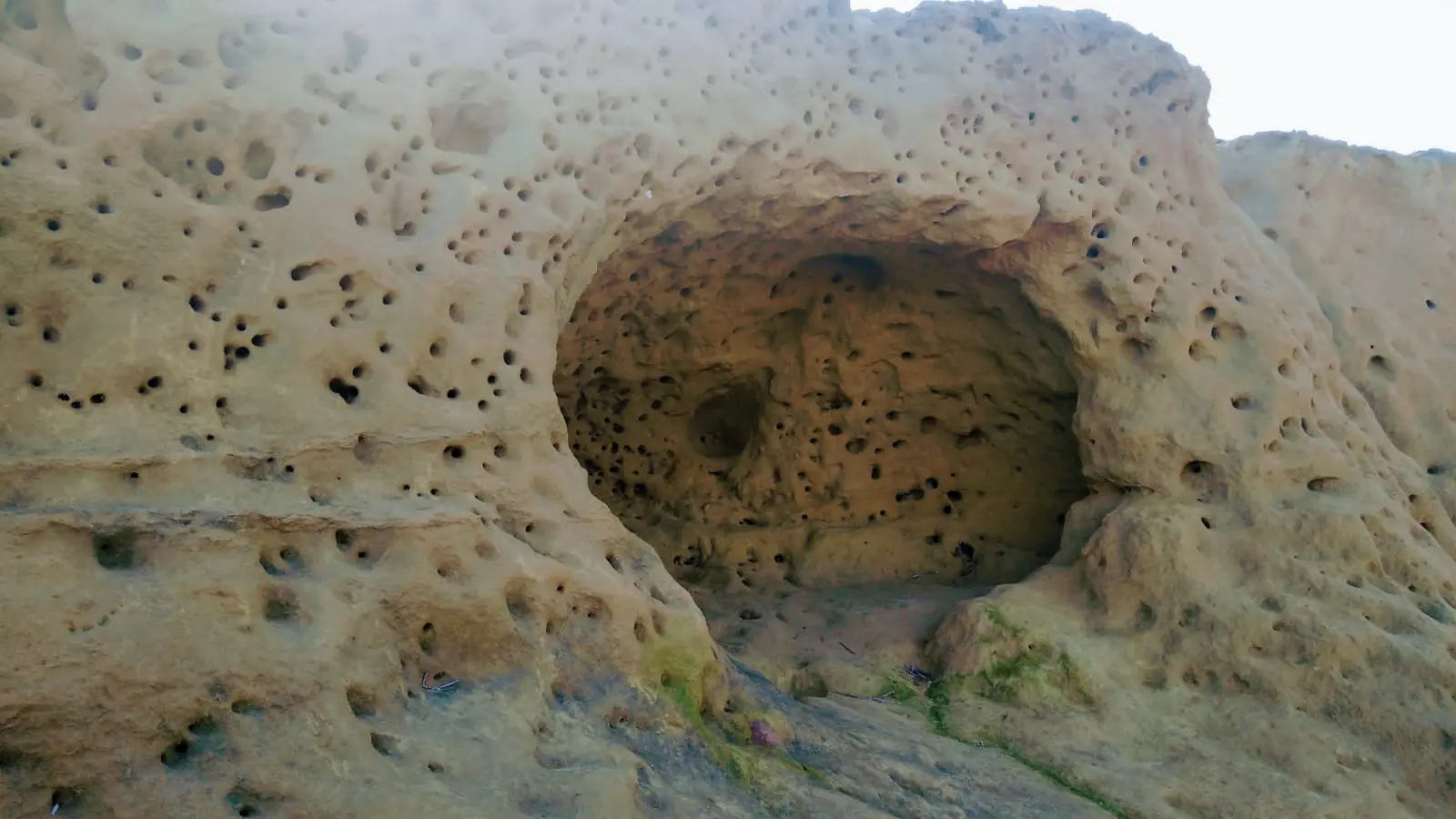
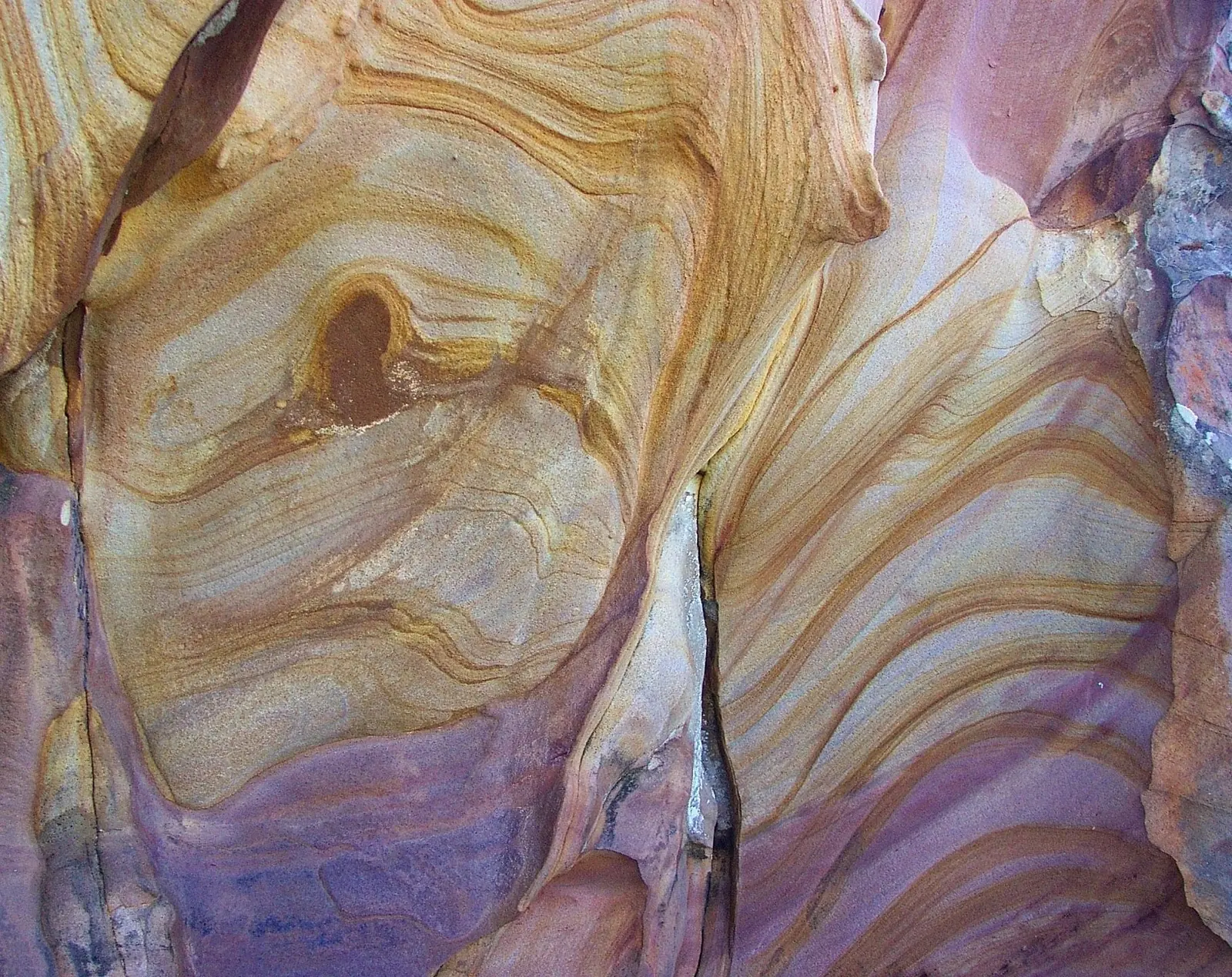
Practically all of Menorca is formed by sedimentary rocks. However, these have been formed in very distinct ways which correspond, broadly speaking, to four different geological periods. These distinct origins have produced rock formations which are strikingly different in morphology, composition and colour.
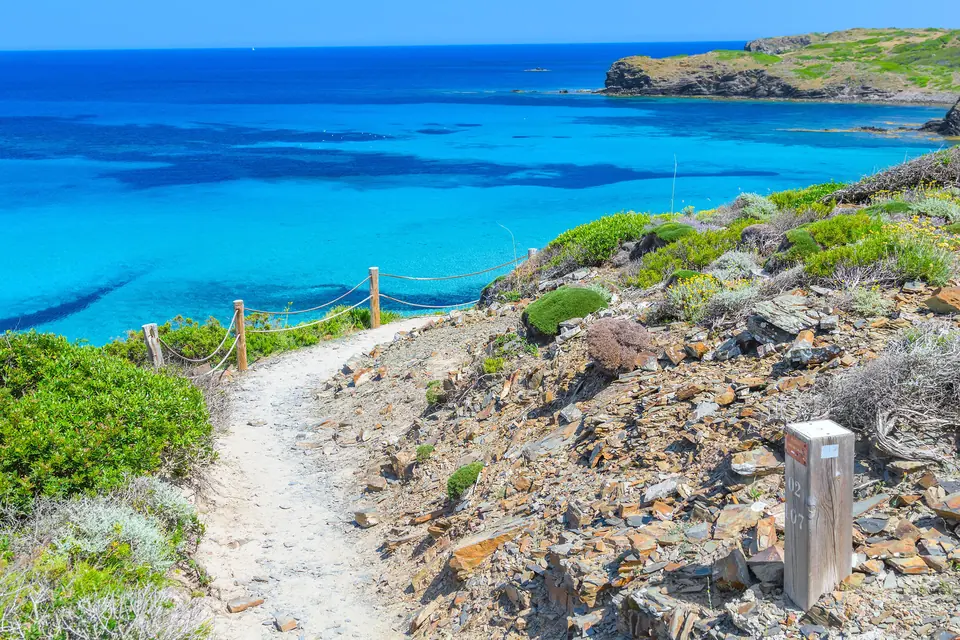
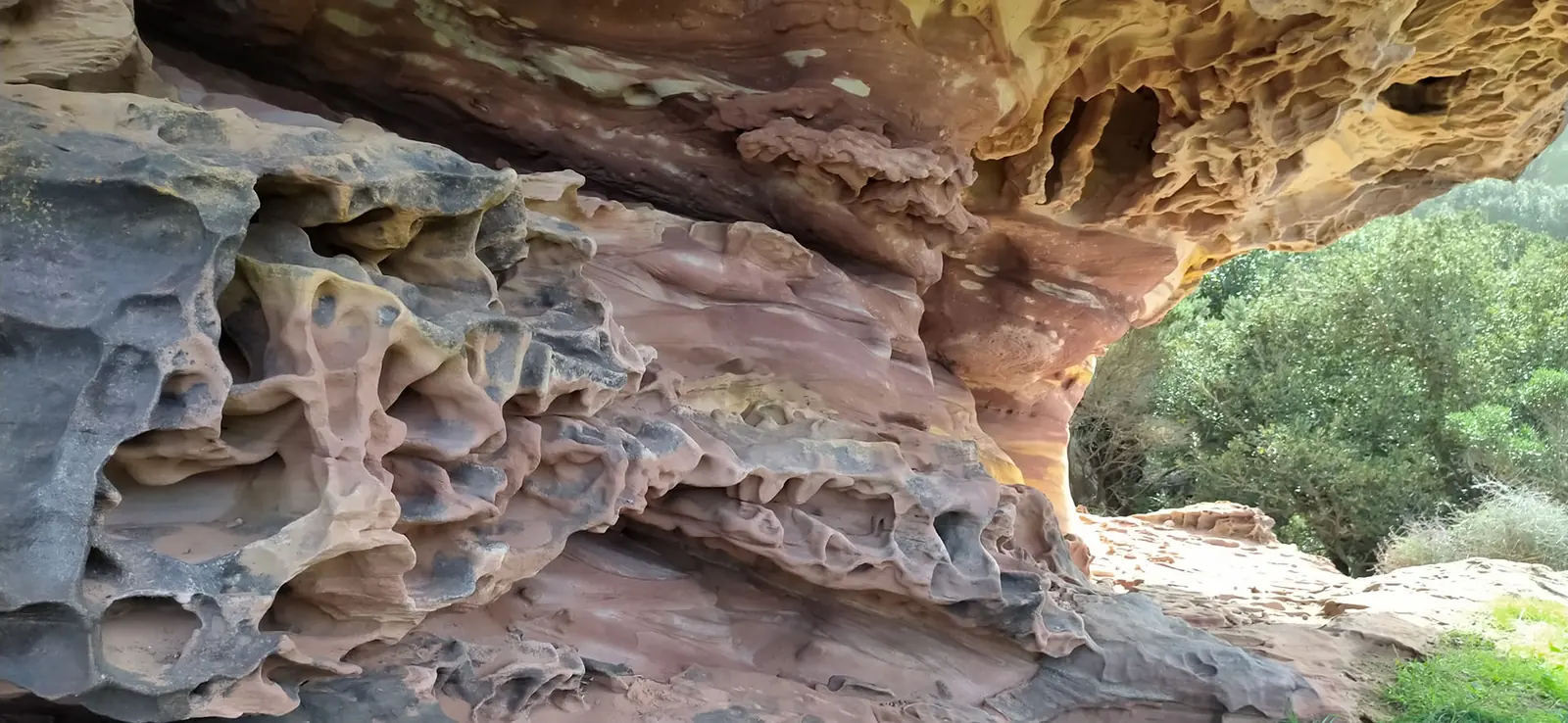
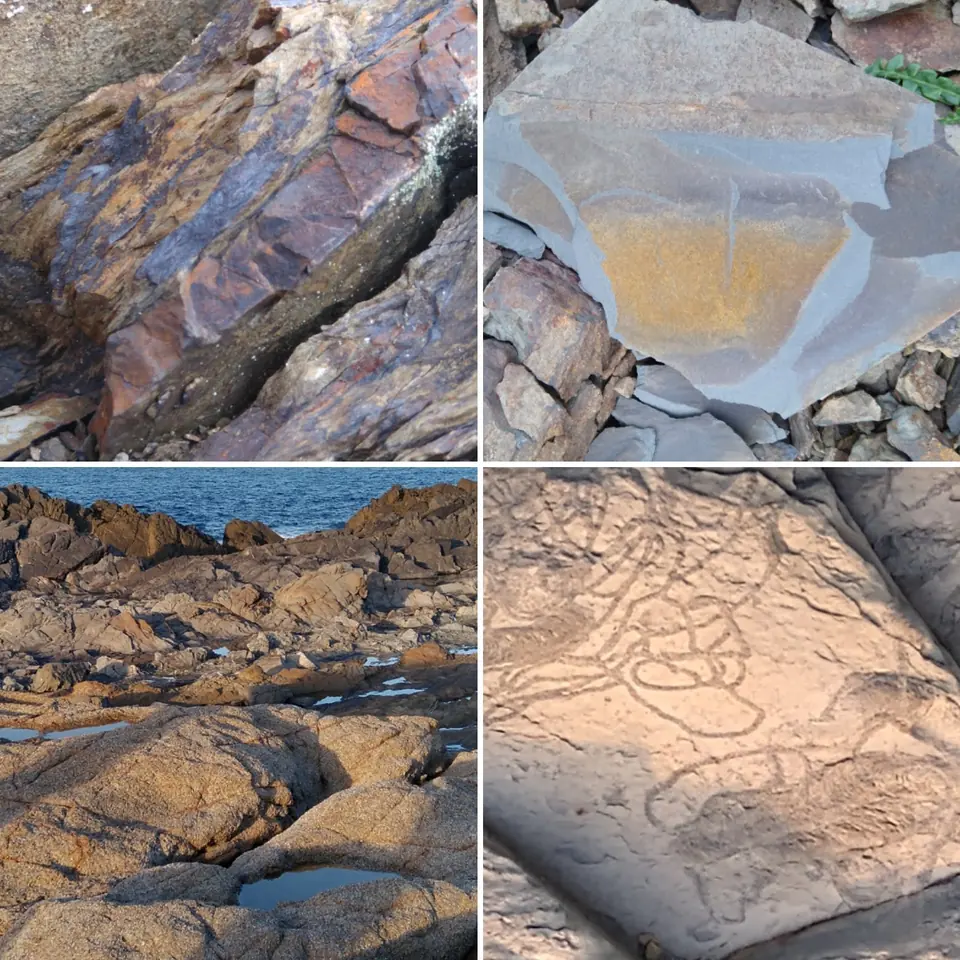
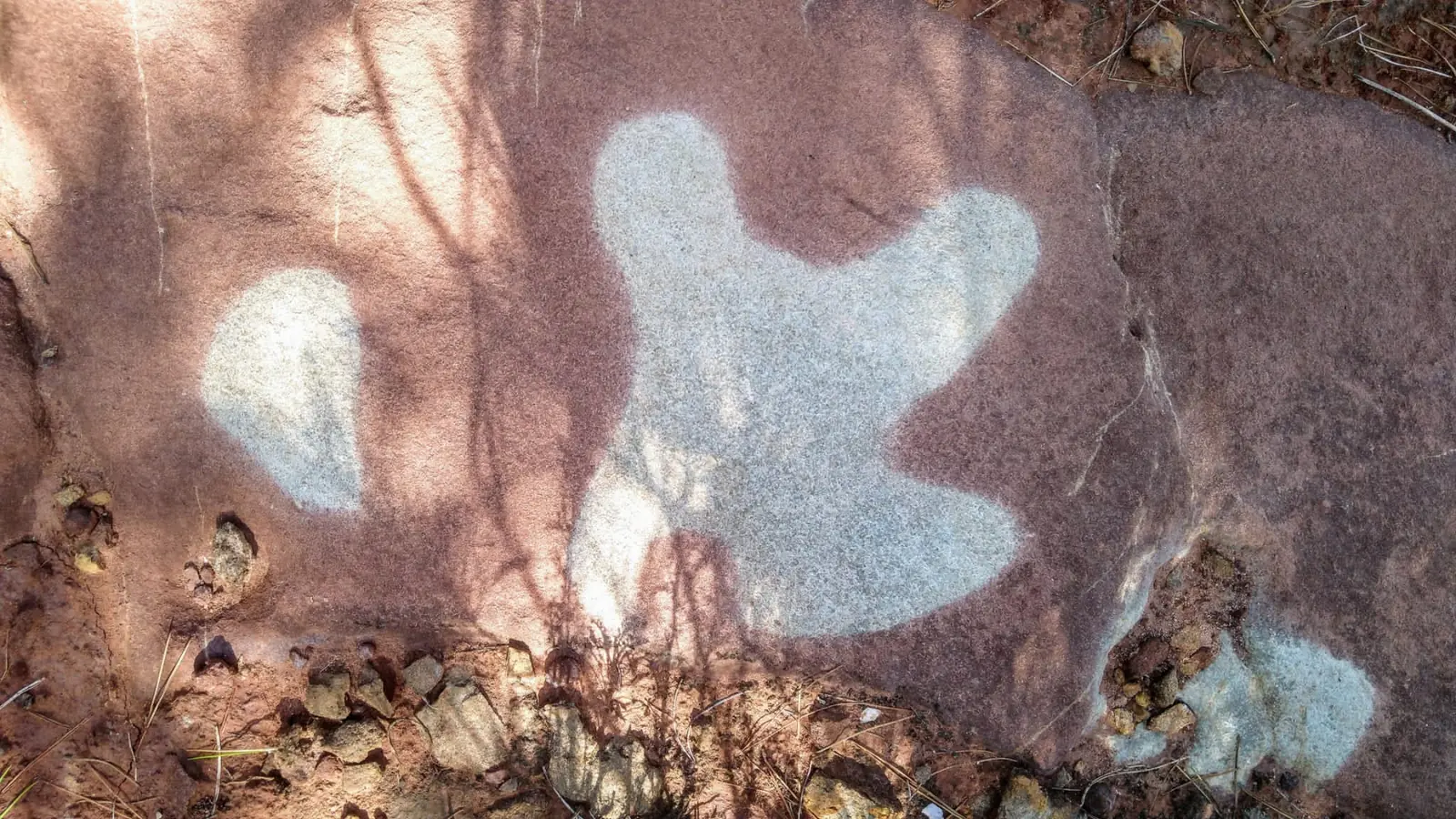
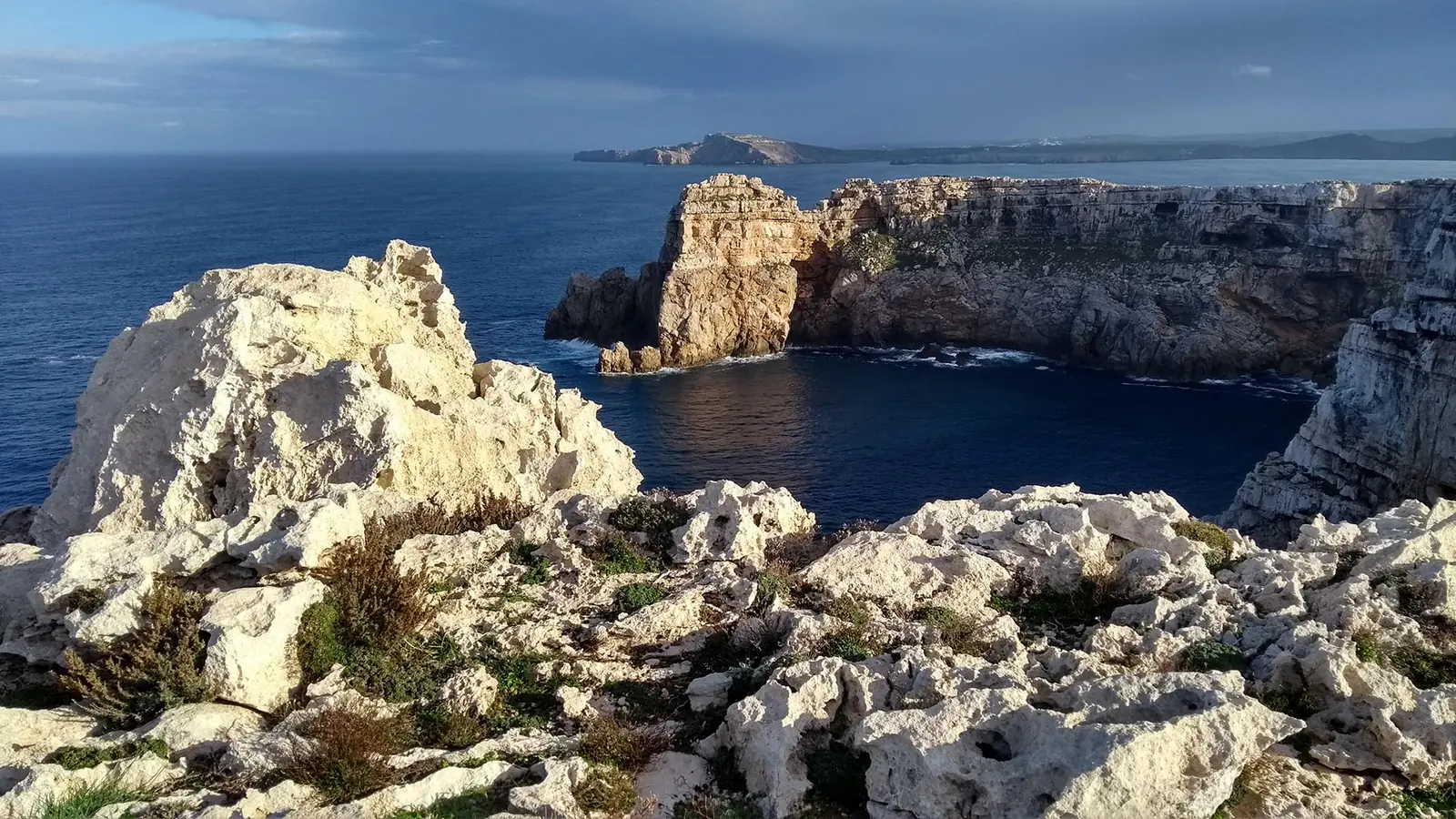
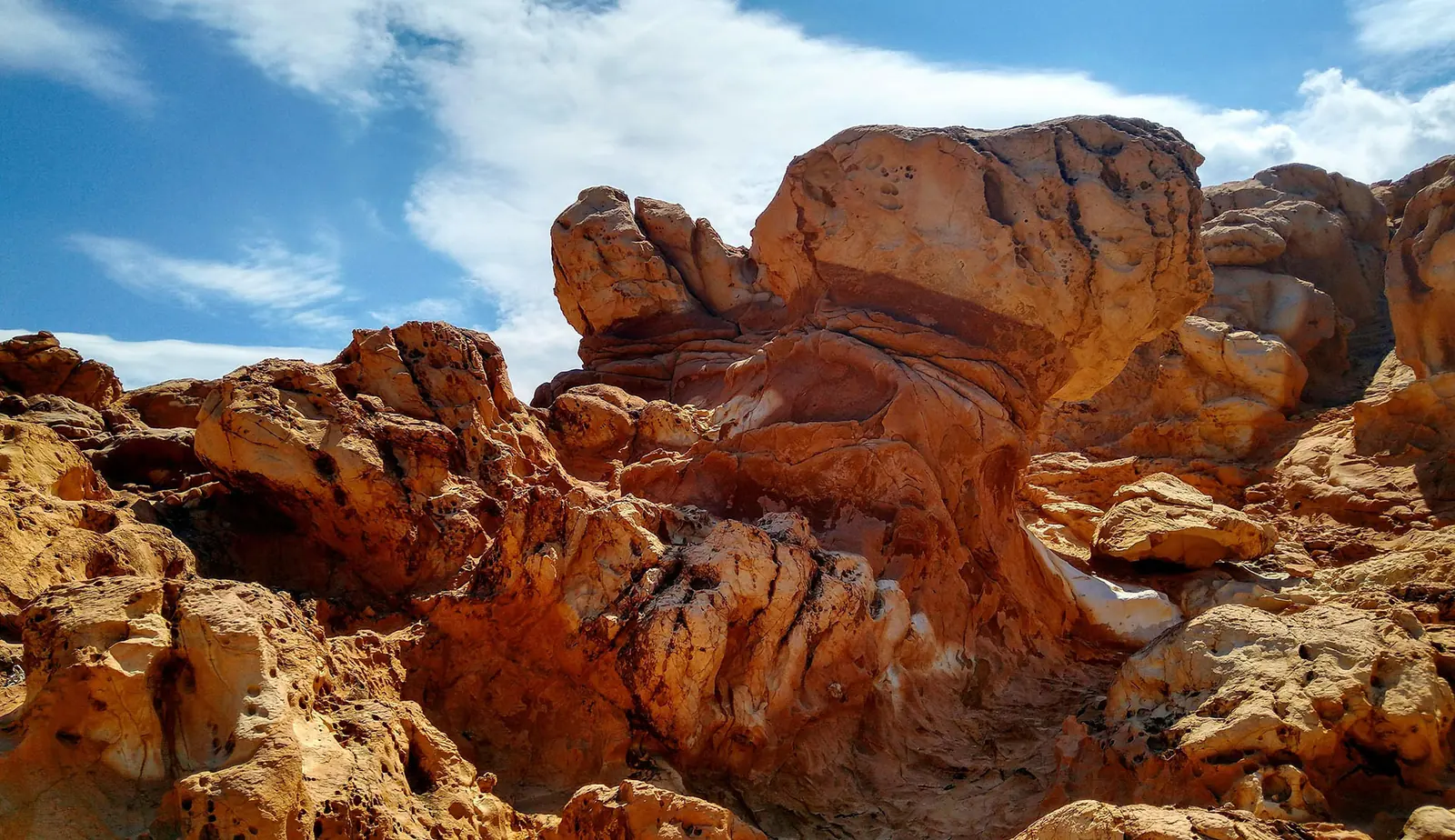
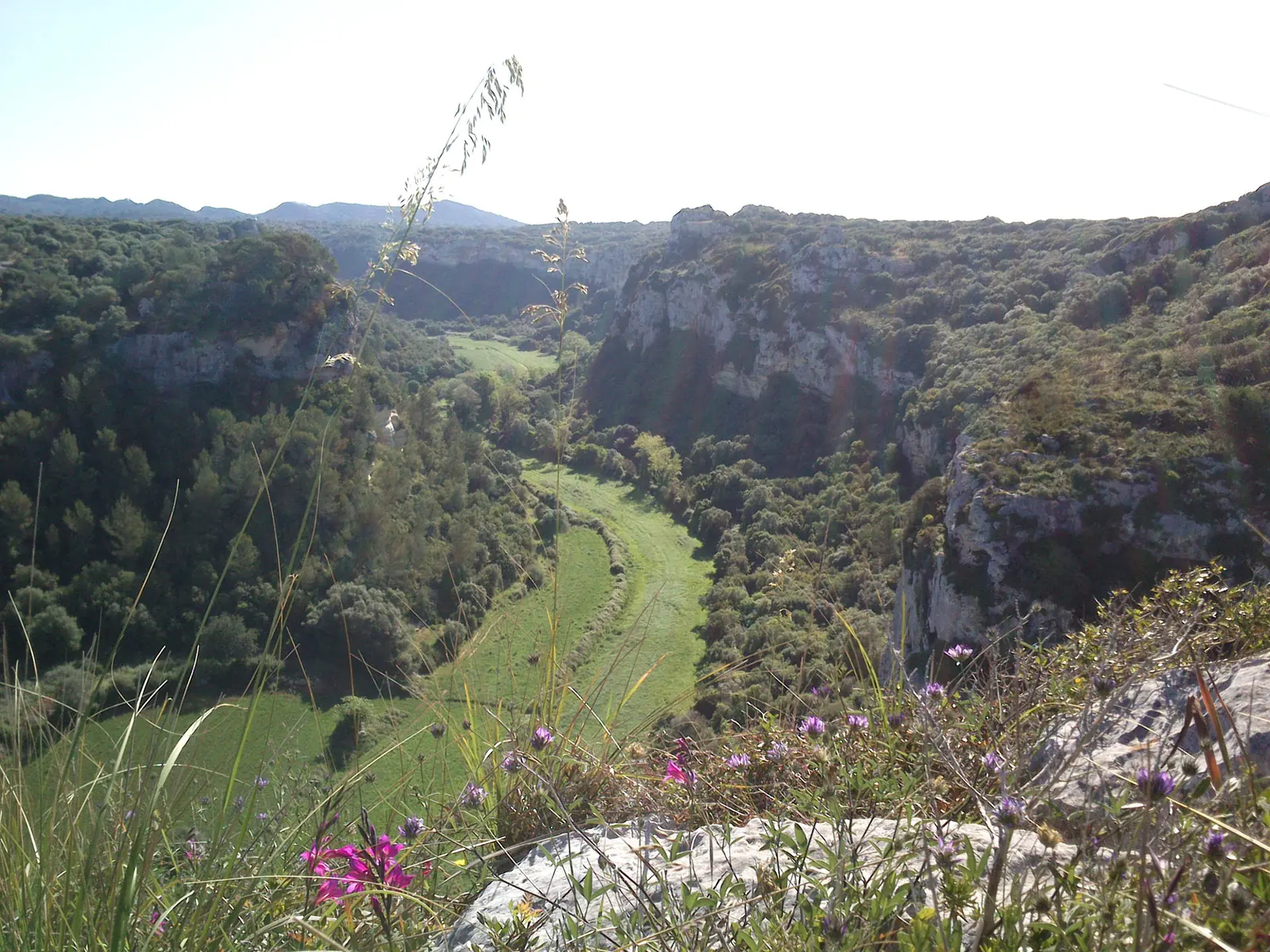
The remarkable geology of the island has given rise to some of Menorca’s most dramatic landscapes. On just a short tour we could take you from the austere outcrops of dark rocks, towering grey cliffs and intricately carved red sandstone hills and coves of the north to the impressive steep white limestone ravines and amphitheatre-like quarries of the south.
In general terms the island divides into two large zones. In the north, the Tramuntana, there are old rocks — including the oldest in the Balearic Islands — a rolling relief and an indented coast, with slates and sandstones in dark and reddish tones. In the south, the Migjorn, is a platform of younger limestone, flat and cut by ravines that end in coves of white sand.
Marès is a pale, easily worked limestone that has been used for centuries to build houses, walls and churches. Quarrying has left the quarries you can see in the south, whose vertical walls recall amphitheatres; some, such as those at s’Hostal in Ciutadella, have been restored as places to visit.
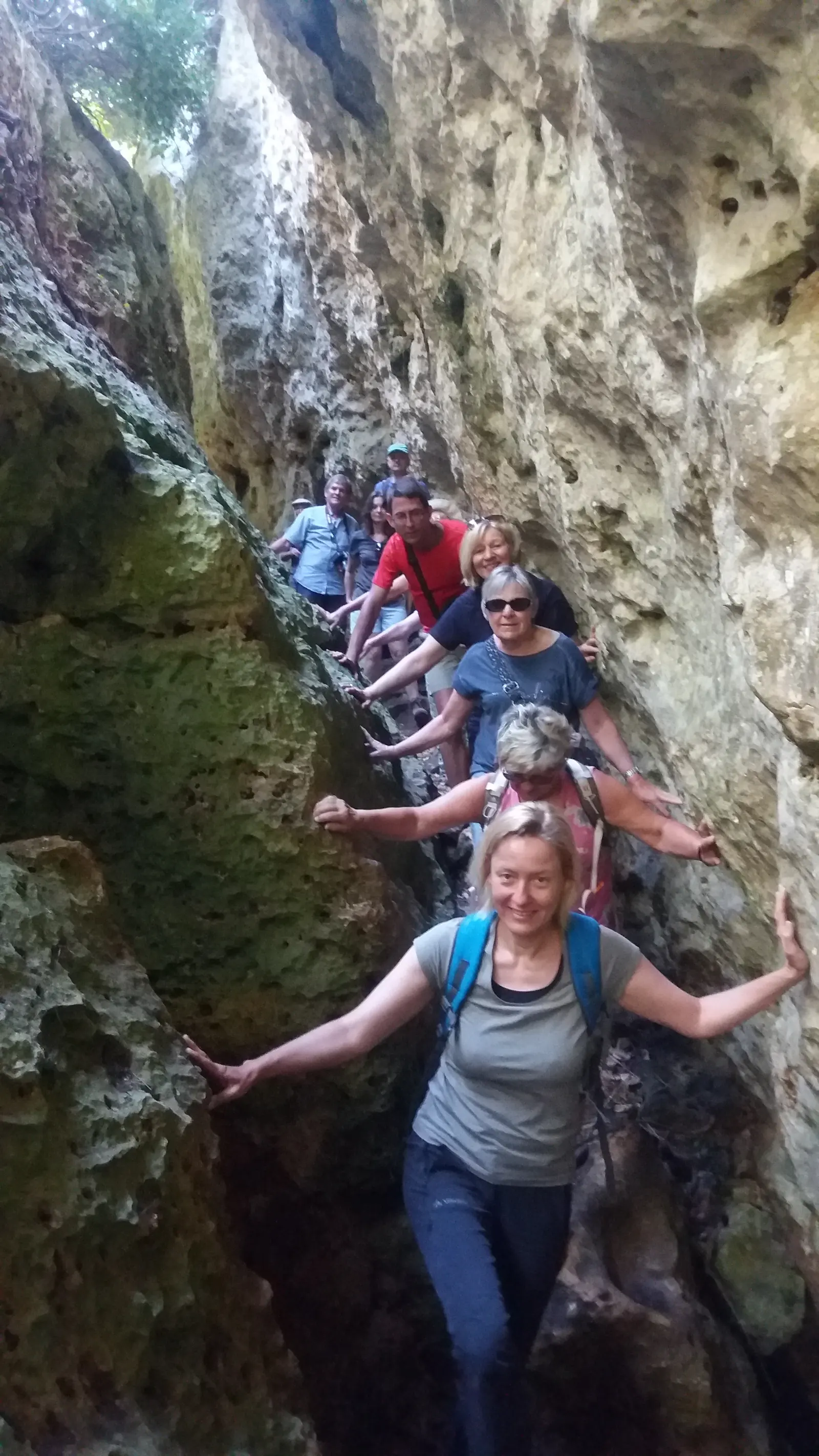
To see the geology on foot, the Camí de Cavalls crosses both worlds, and the beaches change colour with the rock of each coast.
© APITMe
© APITMe
© APITMe
© APITMe
© APITMe
© APITMe
© APITMe
© APITMe
© APITMe
© APITMe
© APITMe
Tell us what interests you and in which language, and one of our guides will get in touch with you.
The principal attraction and hence the most valued resource of the island are the beaches. As a result, the most important type of tourism in Menorca is still that of 'sun and sand' along with nautical tourism.
Menorca, being the easternmost point of the country, is the first to receive the rays of the morning sun in the whole of Spain.
The Camí de Cavalls (‘Bridle way’) is a historical trail that dates back to the end of the Middle Ages. It was originally employed to patrol and protect the coast by horse…