The Camí de Cavalls
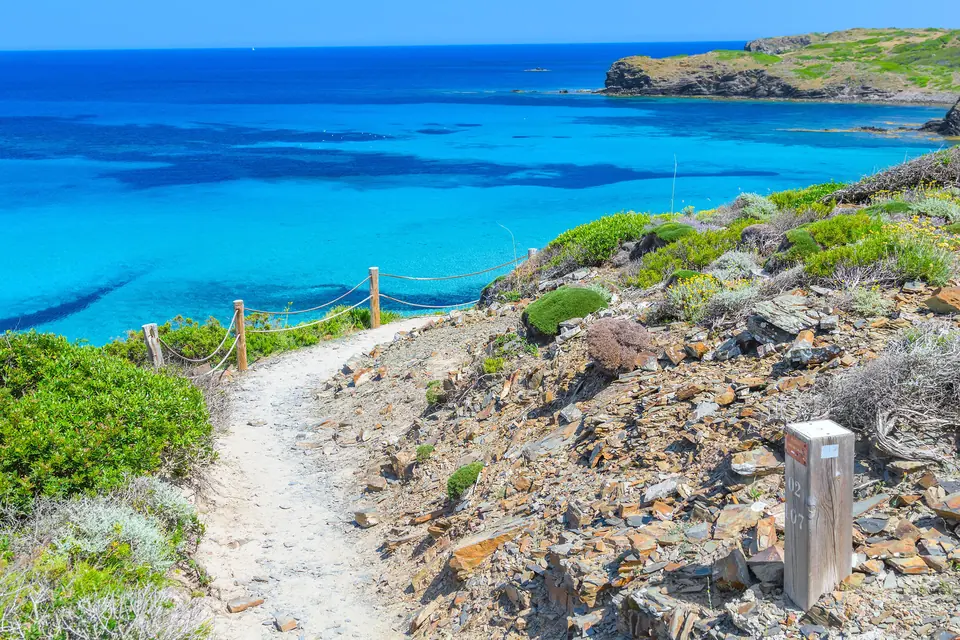
The Camí de Cavalls (‘Bridle way’) is a historical trail that dates back to the end of the Middle Ages. It was originally employed to patrol and protect the coast by horse…
The principal attraction and hence the most valued resource of the island are the beaches. As a result, the most important type of tourism in Menorca is still that of 'sun and sand' along with nautical tourism. Along the 200 km or so of coastline there are about 120 sandy beaches, most of which are unspoilt.
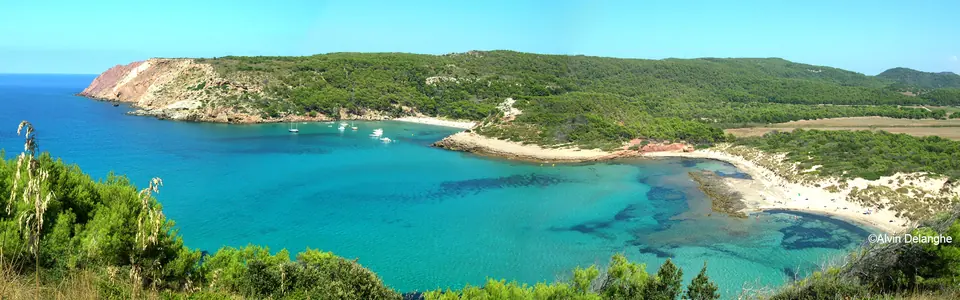
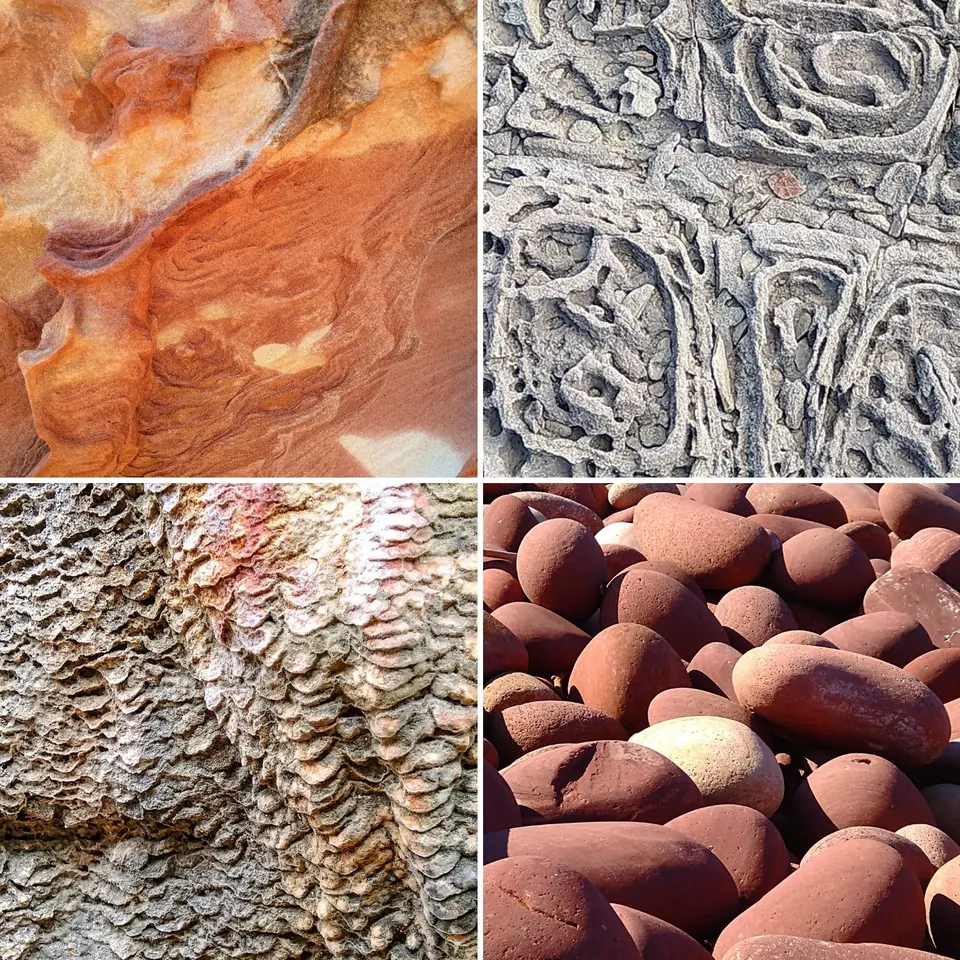
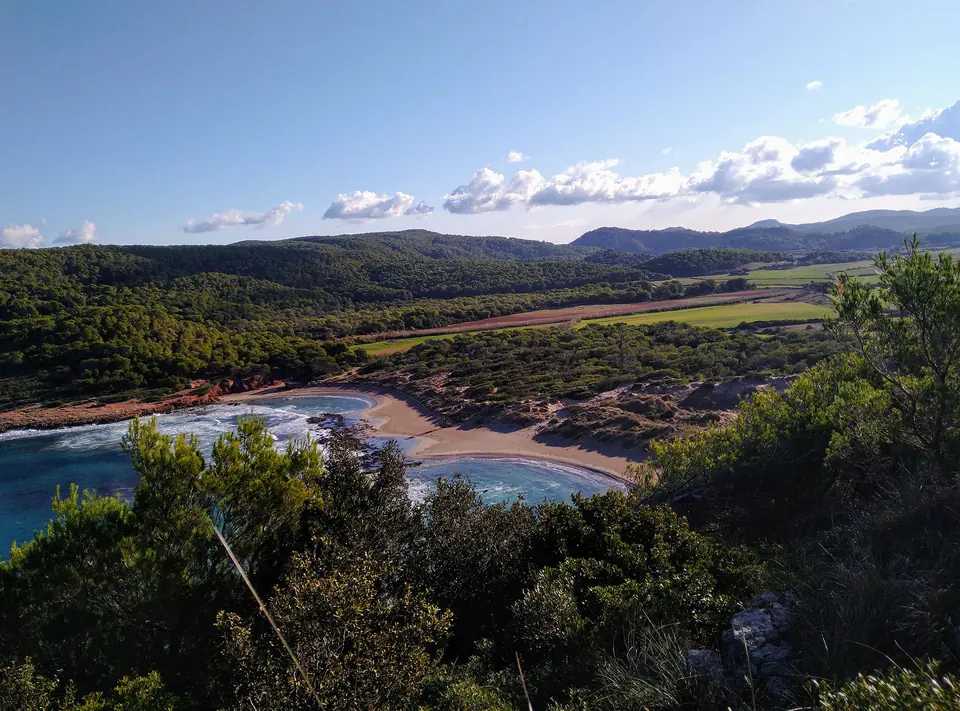
The island’s geology shows in the sand. In the north the coast is more open and rocky, with reddish and darker sands that come from older rock, and beaches such as Pregonda, Cavalleria, Binimel·là or Algaiarens. In the south limestone dominates: coves of white sand and turquoise water, often backed by pine woods, such as Macarella, Macarelleta, Mitjana, Mitjaneta or Cala Galdana. To understand why, read the article on the geology of Menorca.
Among the wider beaches are Son Bou, one of the longest stretches of sand on the island, and Cala Tirant on the north coast. The small coves, by contrast, tend to be tucked between cliffs and ravines.
Most of Menorca’s sandy beaches are unspoilt, with no buildings on the sand. Some need a walk from the car park, and several can be linked by following the Camí de Cavalls. In high season parking and capacity can be limited: go early, or come in spring and autumn.
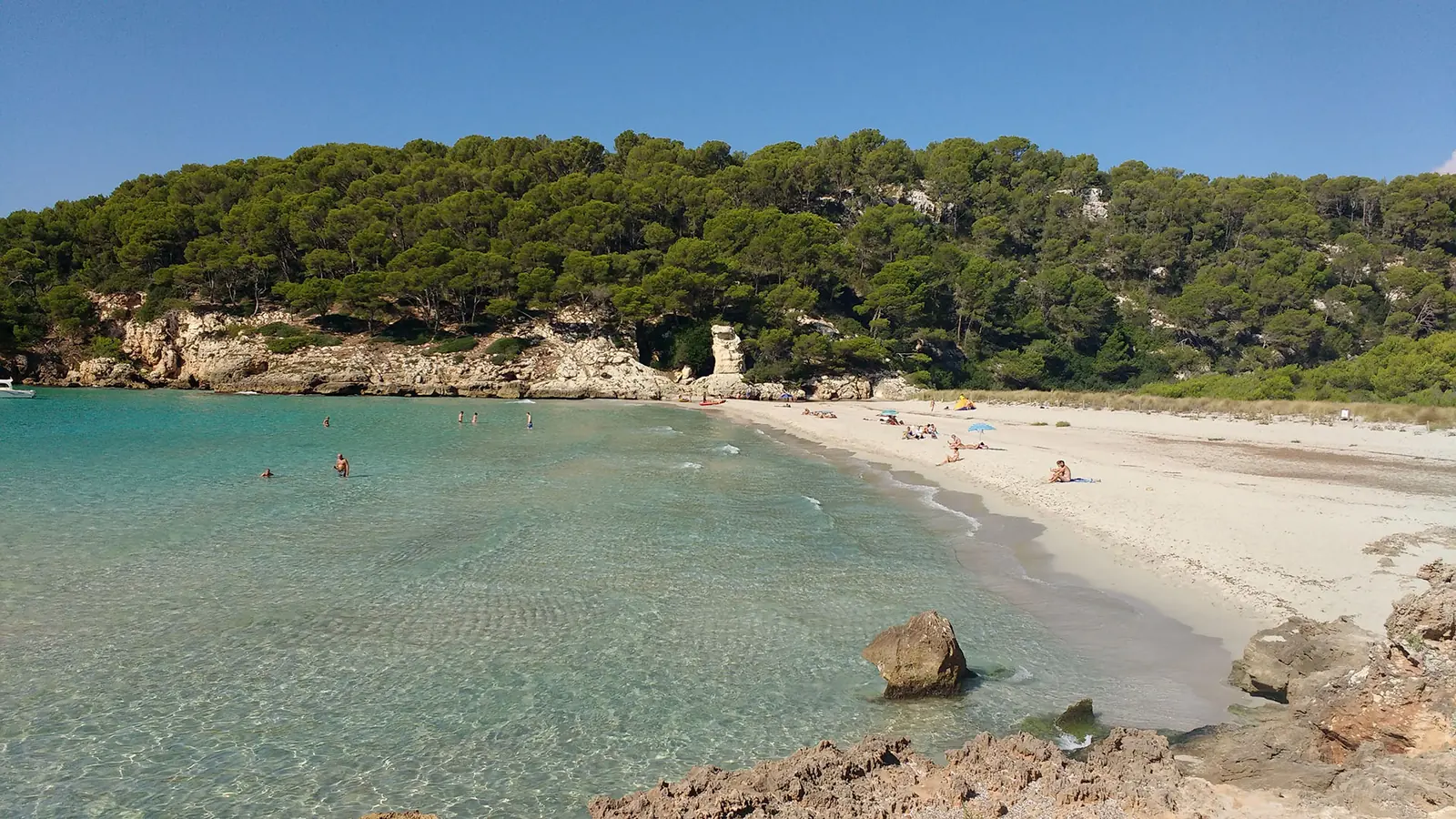
Trebalúger © Jutta Vaupel
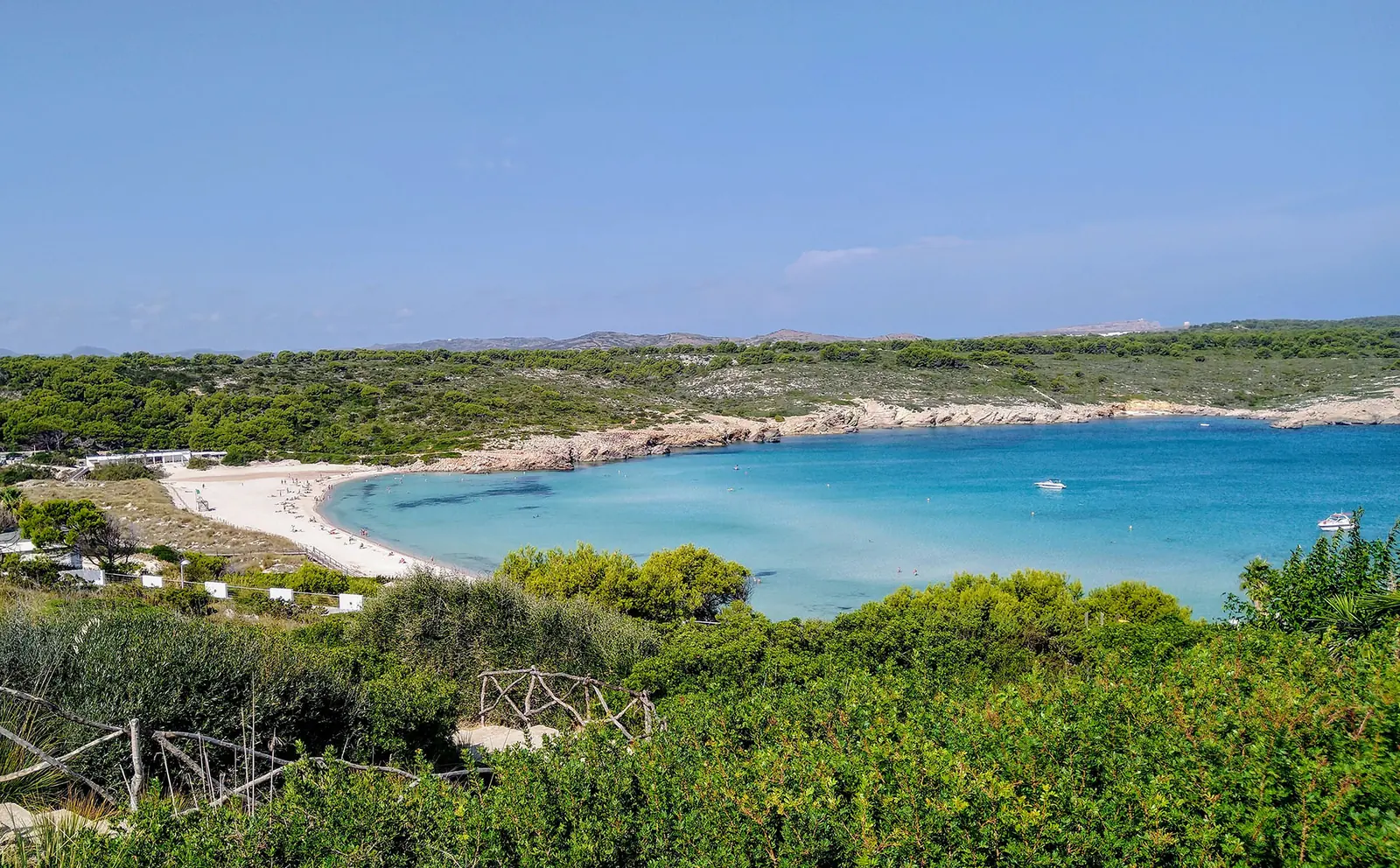
Son Parc © Jutta Vaupel
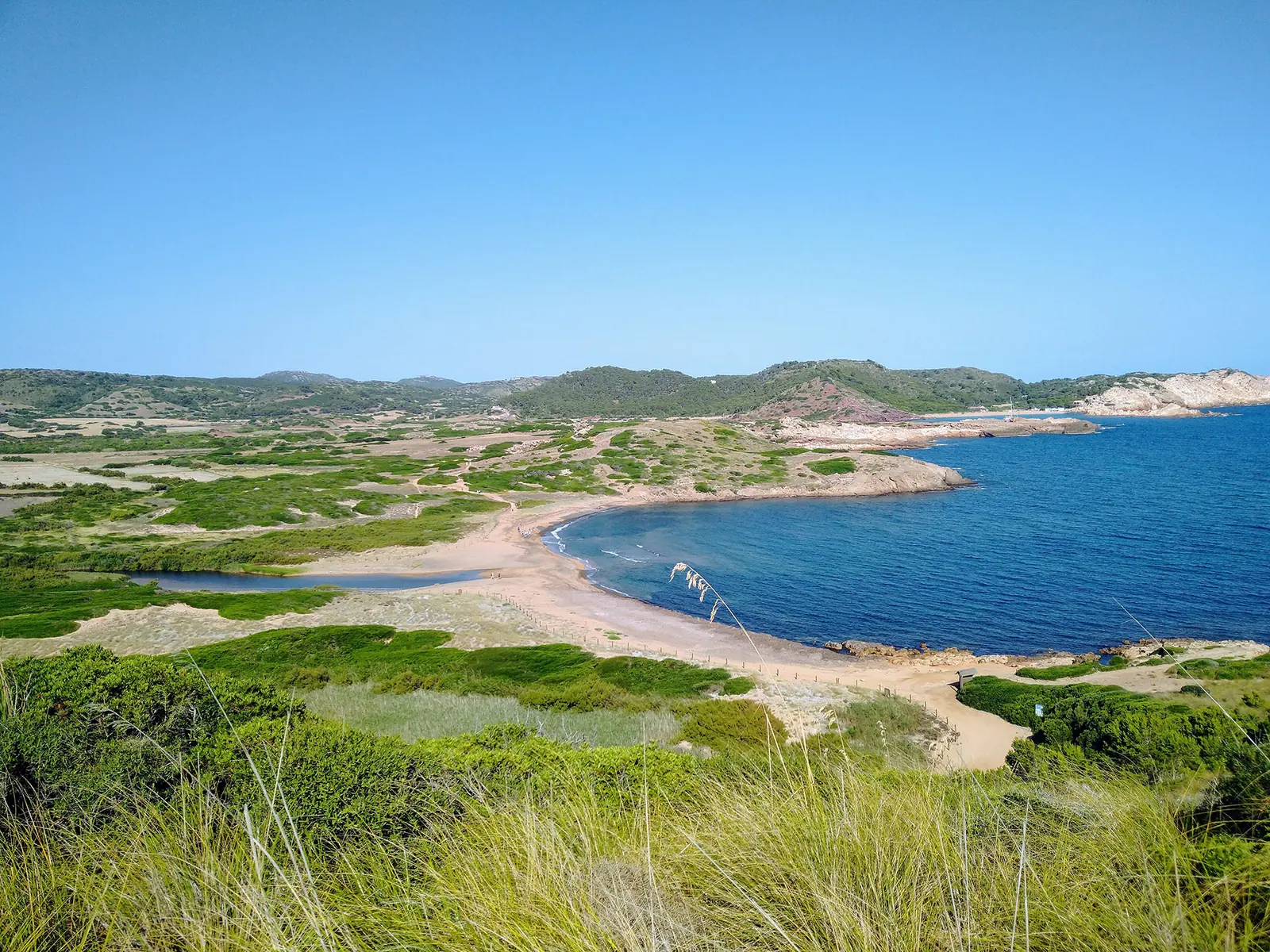
Binimel·là © Jutta Vaupel
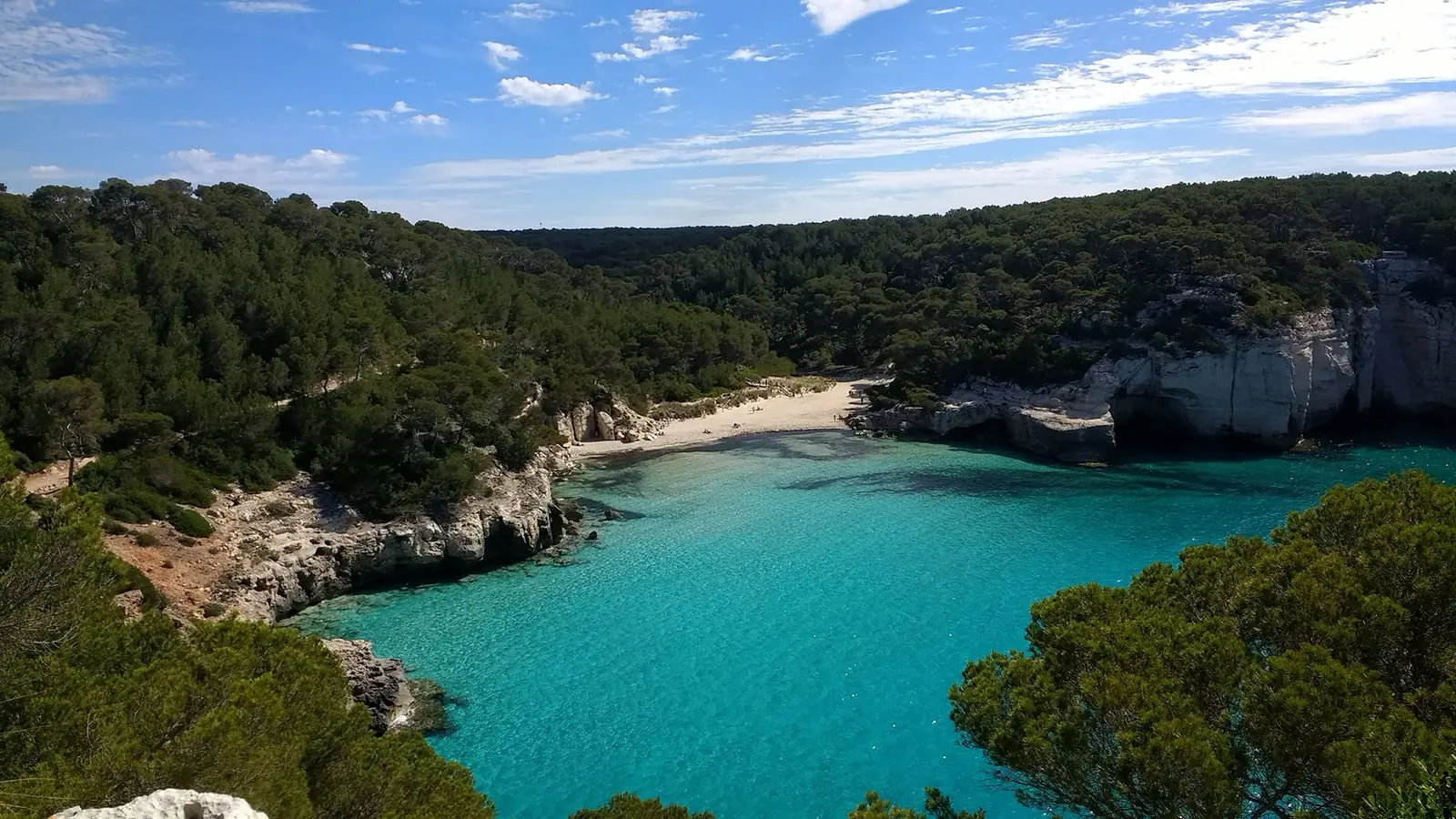
Cala Mitjana © Jutta Vaupel
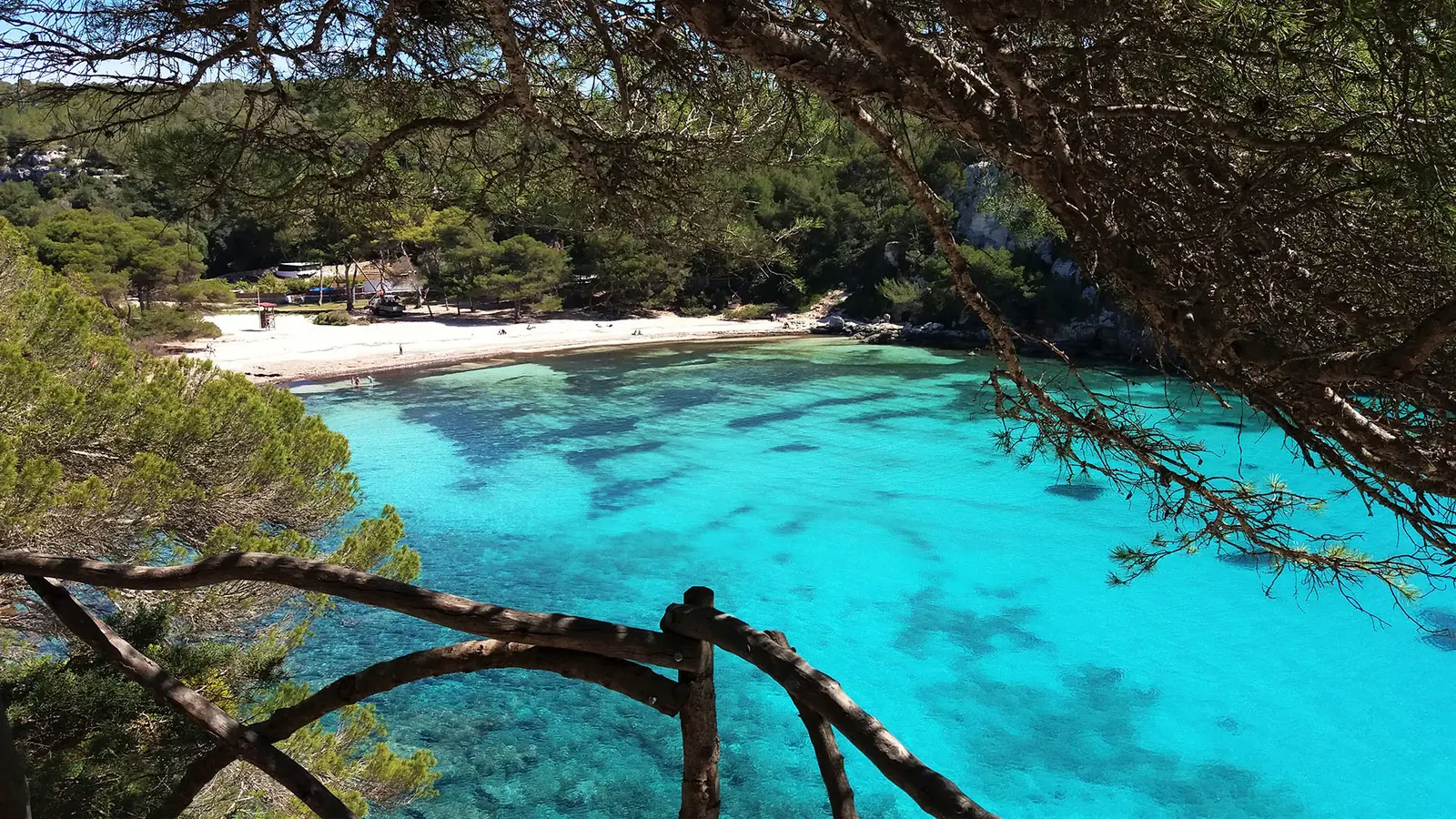
Macarella © Alvin Delanghe
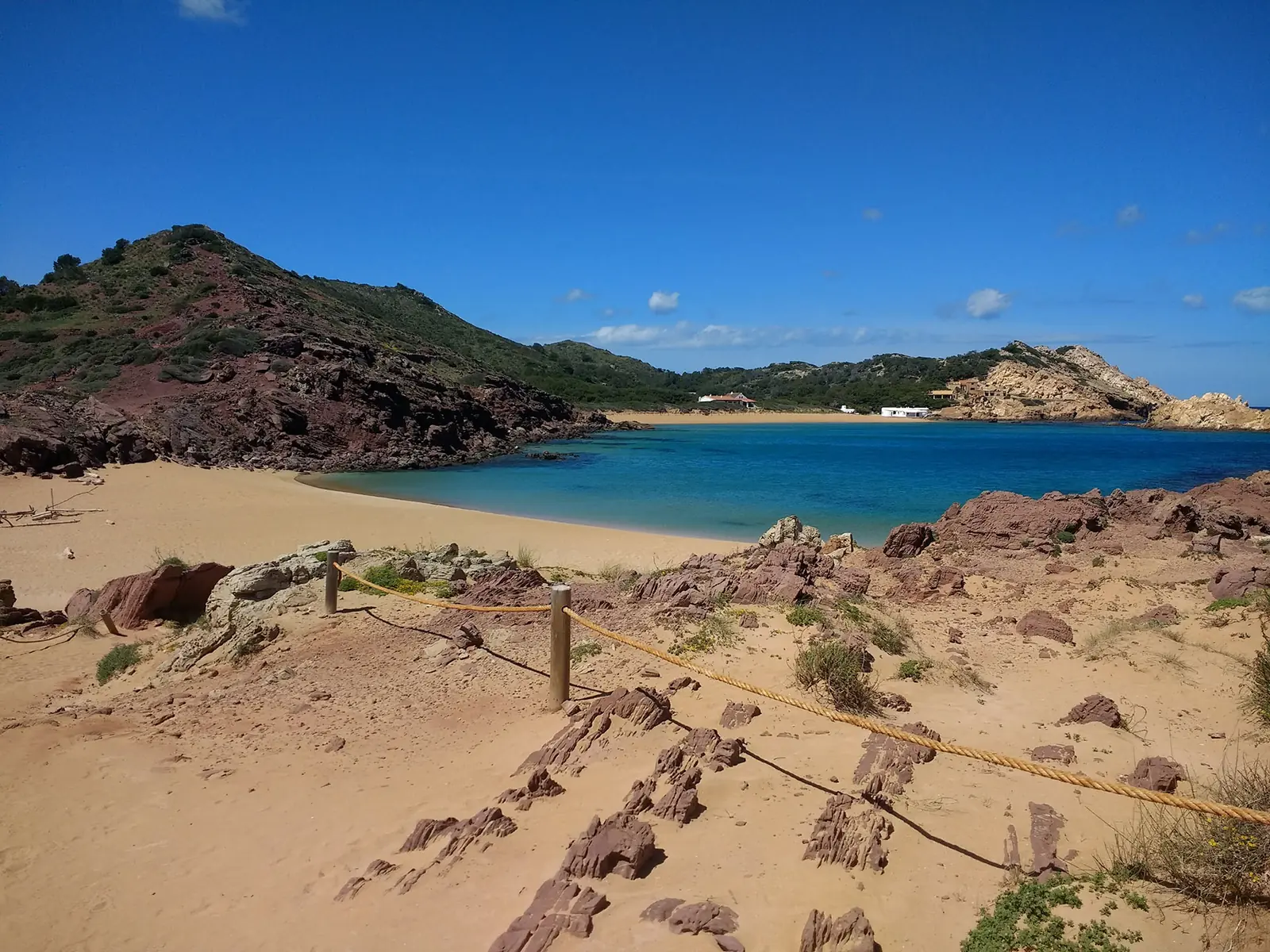
Pregondó © Jutta Vaupel
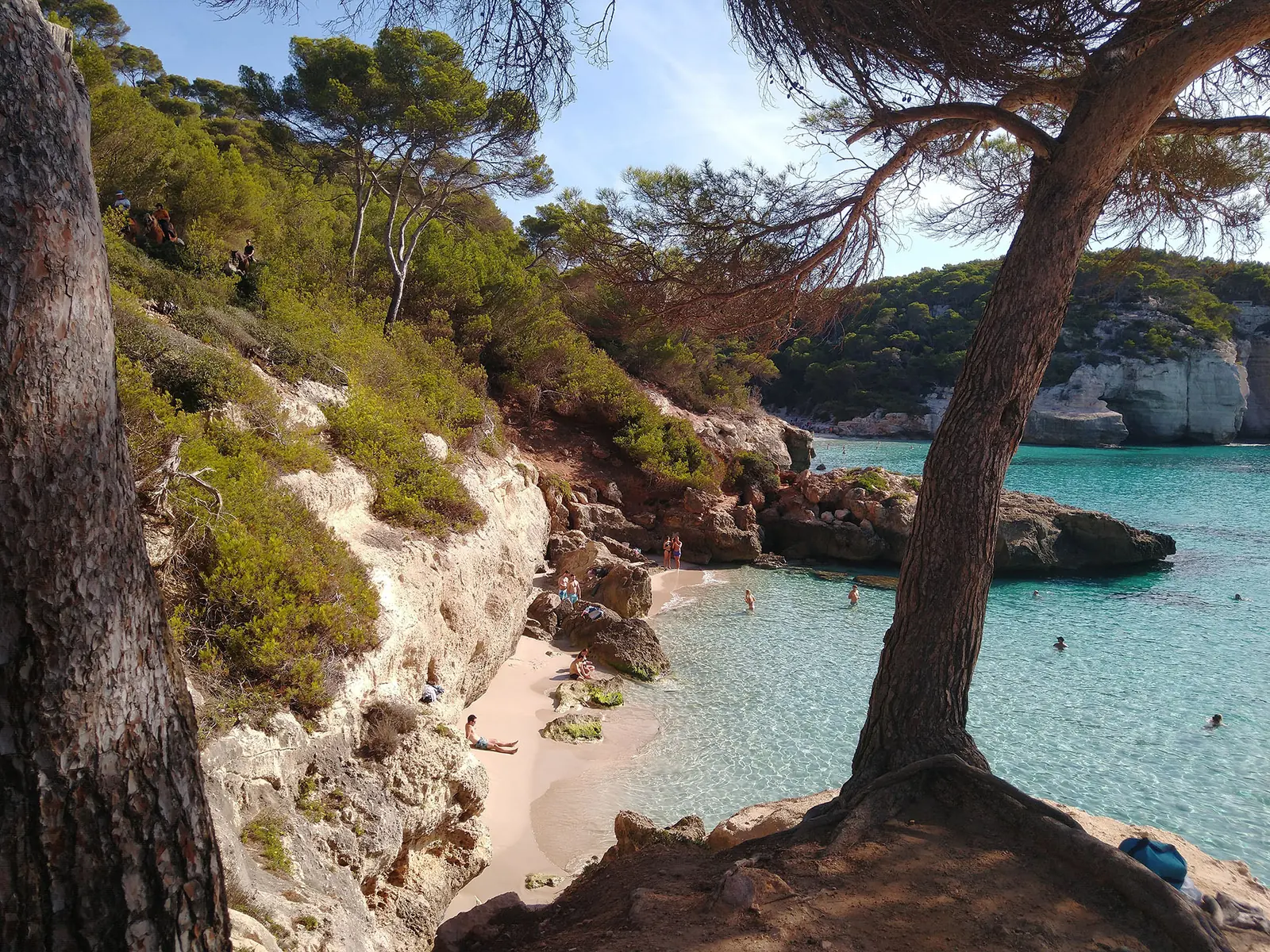
Cala Mitjaneta © Jutta Vaupel
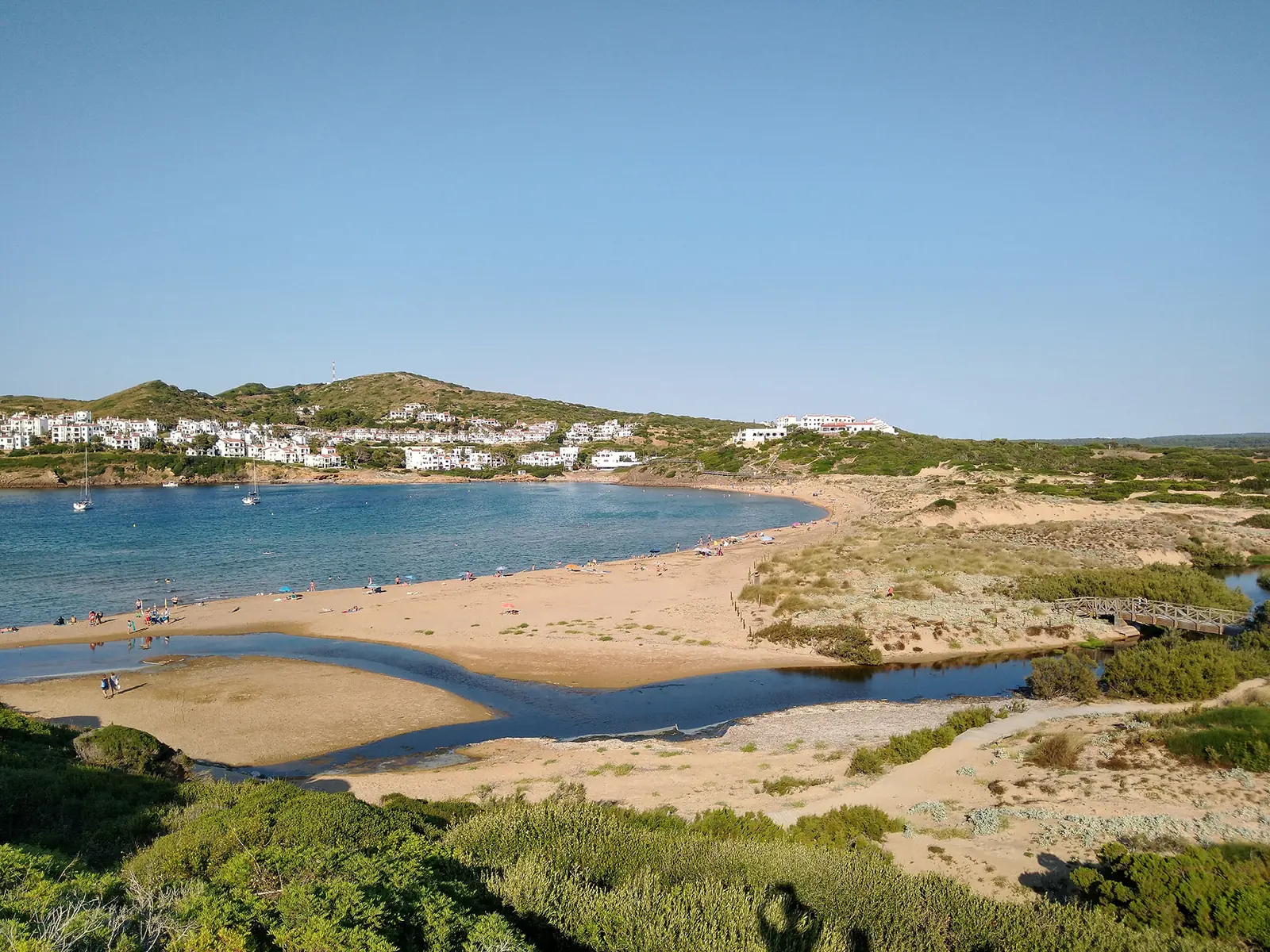
Cala Tirant © Jutta Vaupel
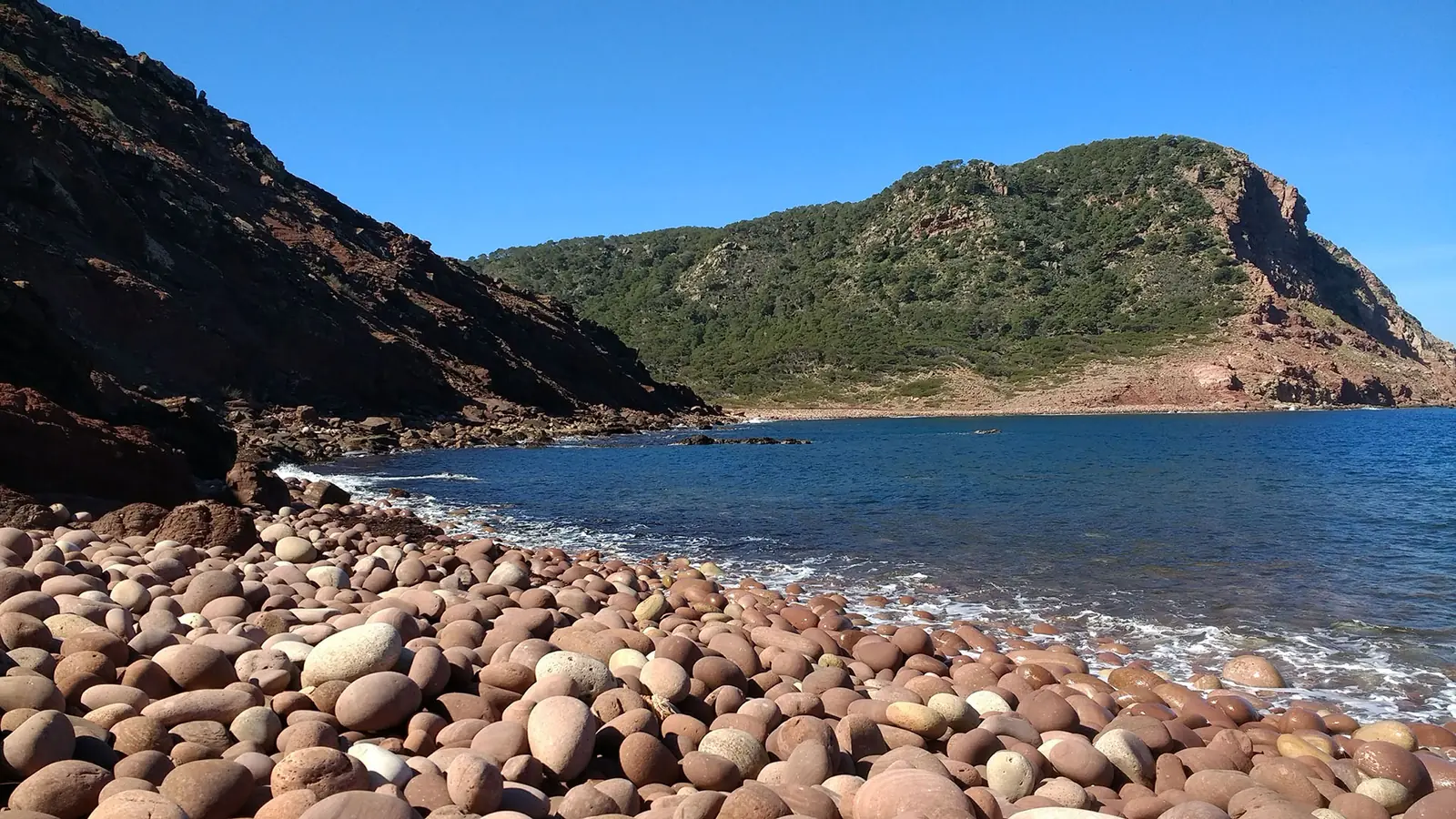
Es Macar d'Alfurinet © Jutta Vaupel
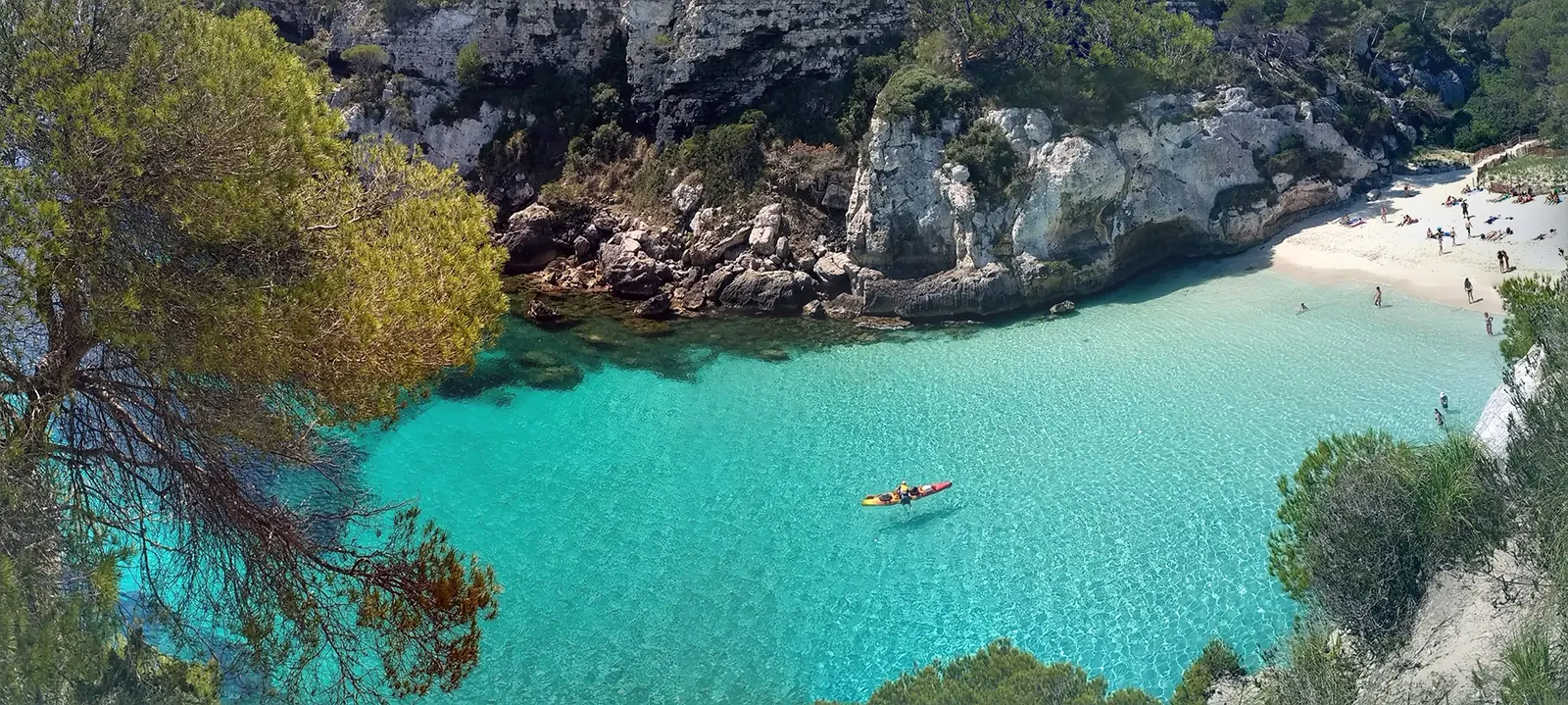
Macarelleta © Jutta Vaupel
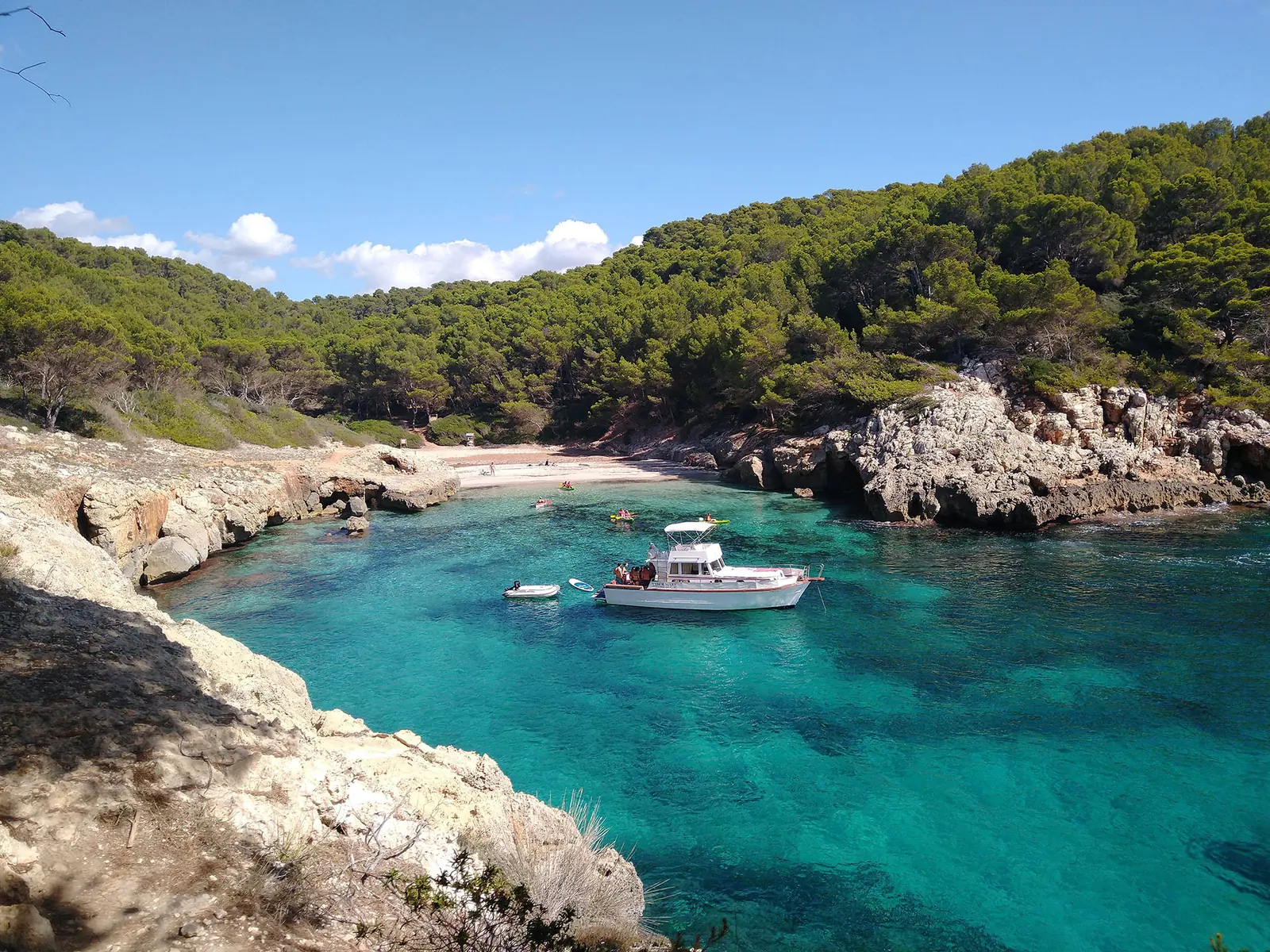
Cala en Fustam © Jutta Vaupel
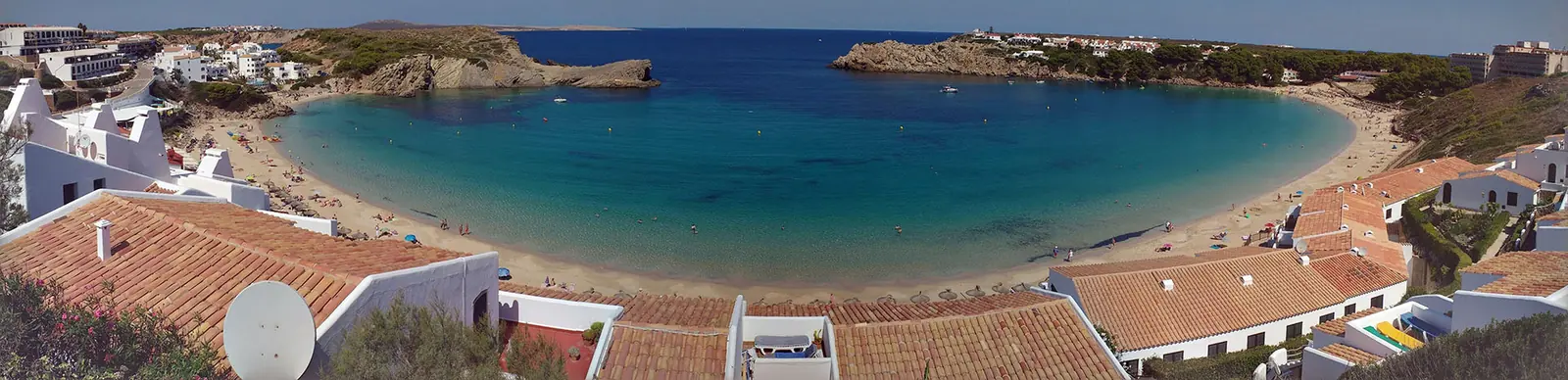
Arenal de'n Castell © Jutta Vaupel
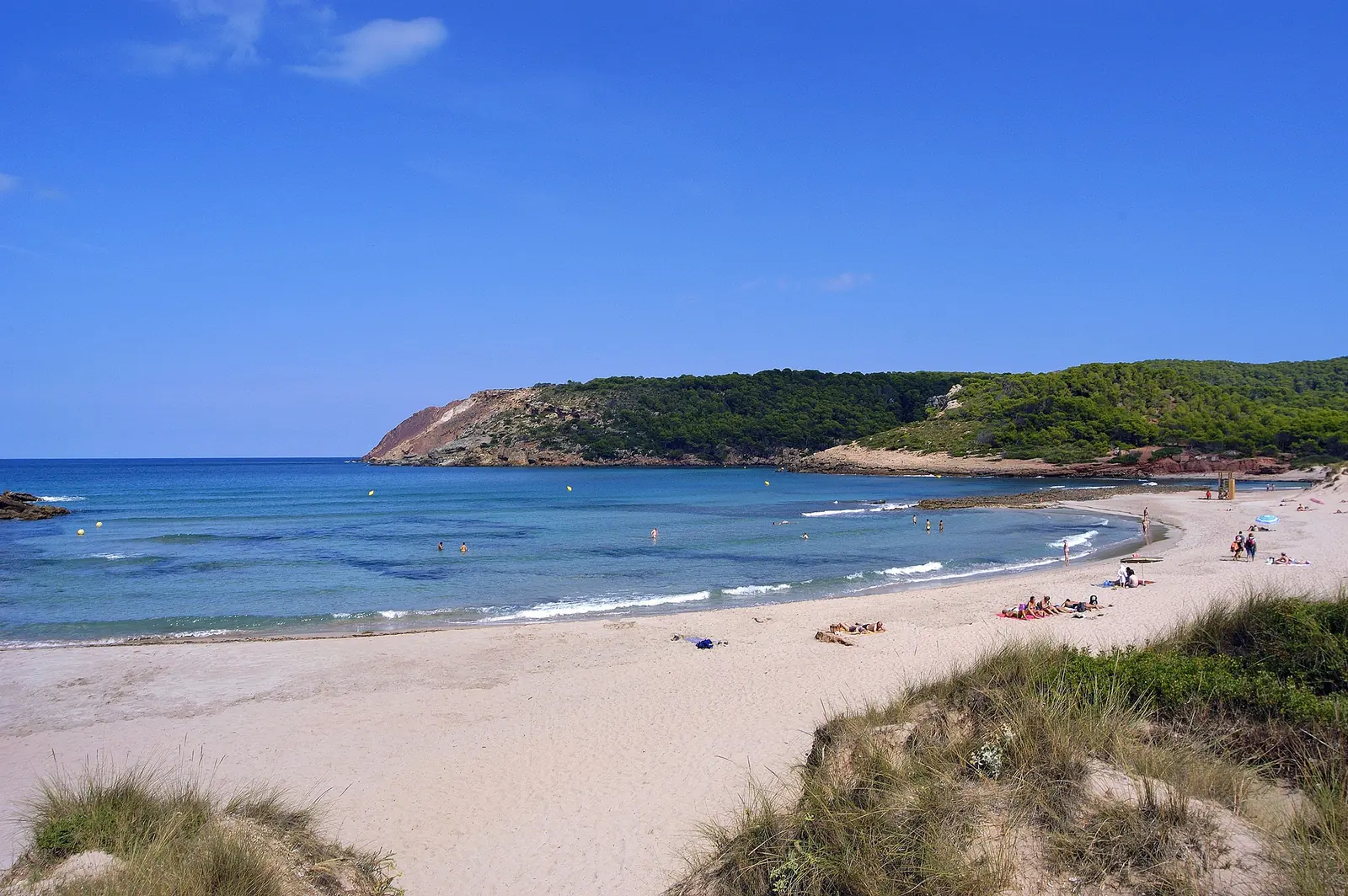
Ets Tancats © Fundació Foment del Turisme de Menorca
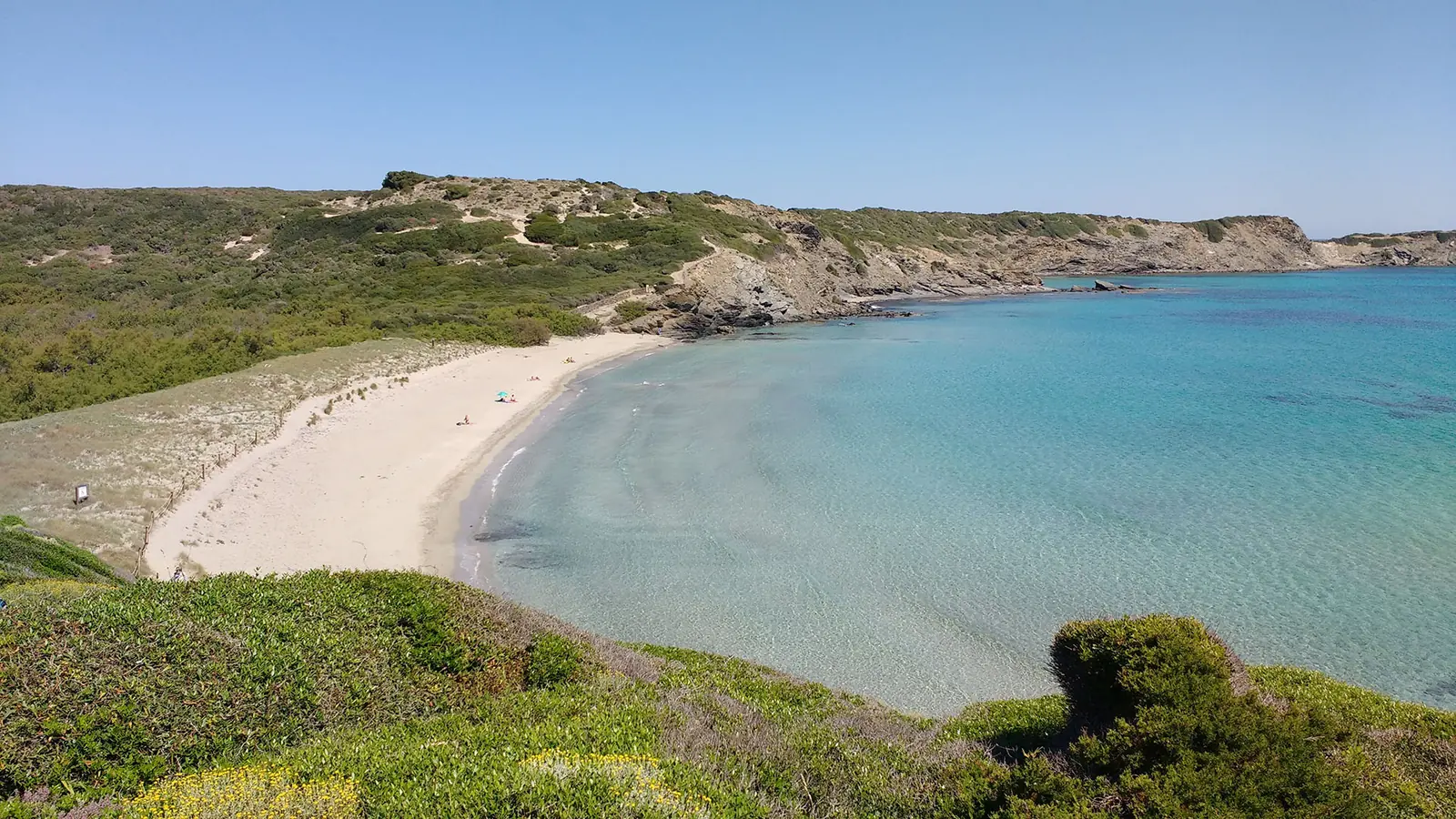
Cala en Tortuga © Jutta Vaupel
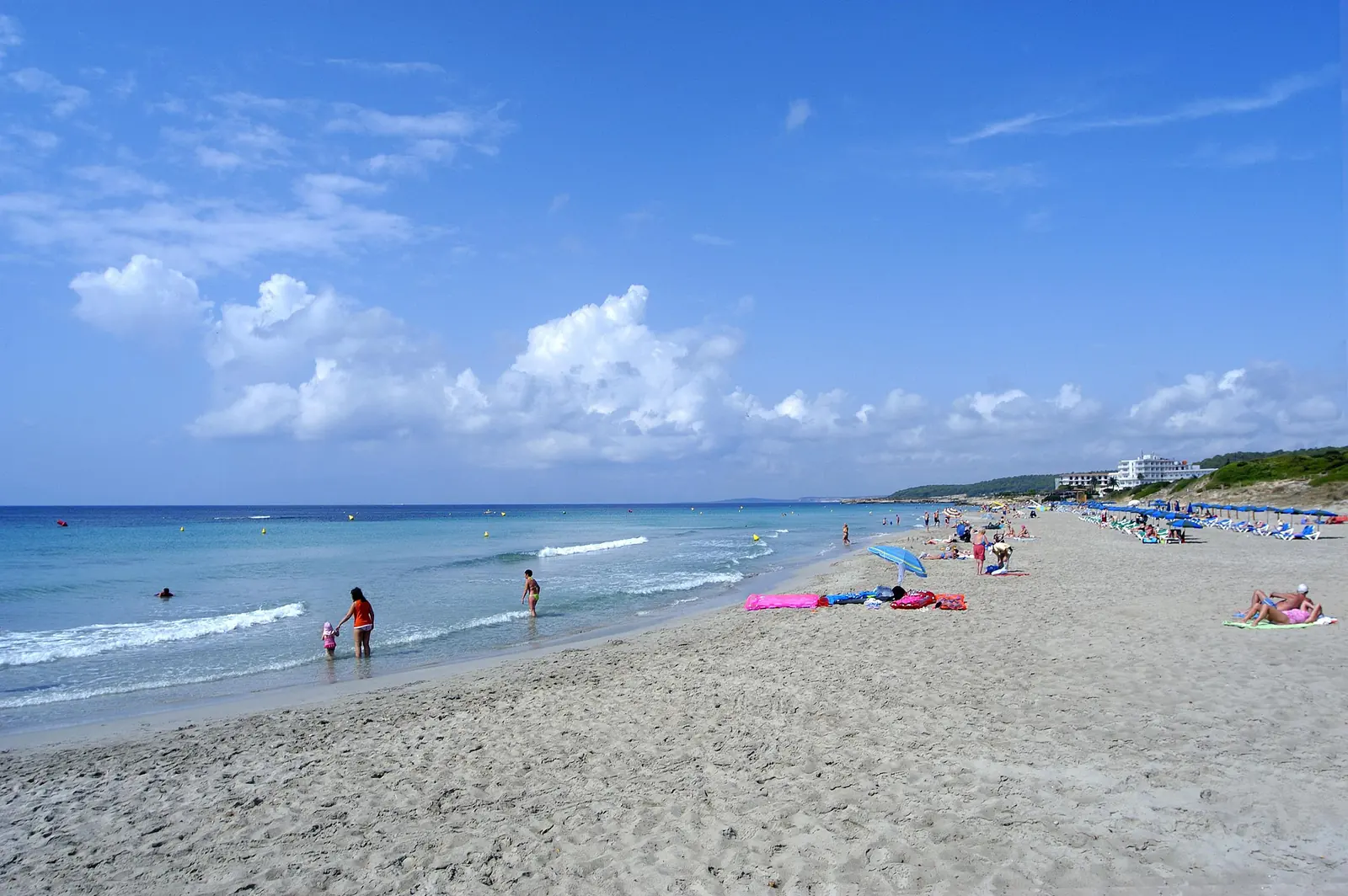
Sant Tomás © Fundació Foment del Turisme de Menorca
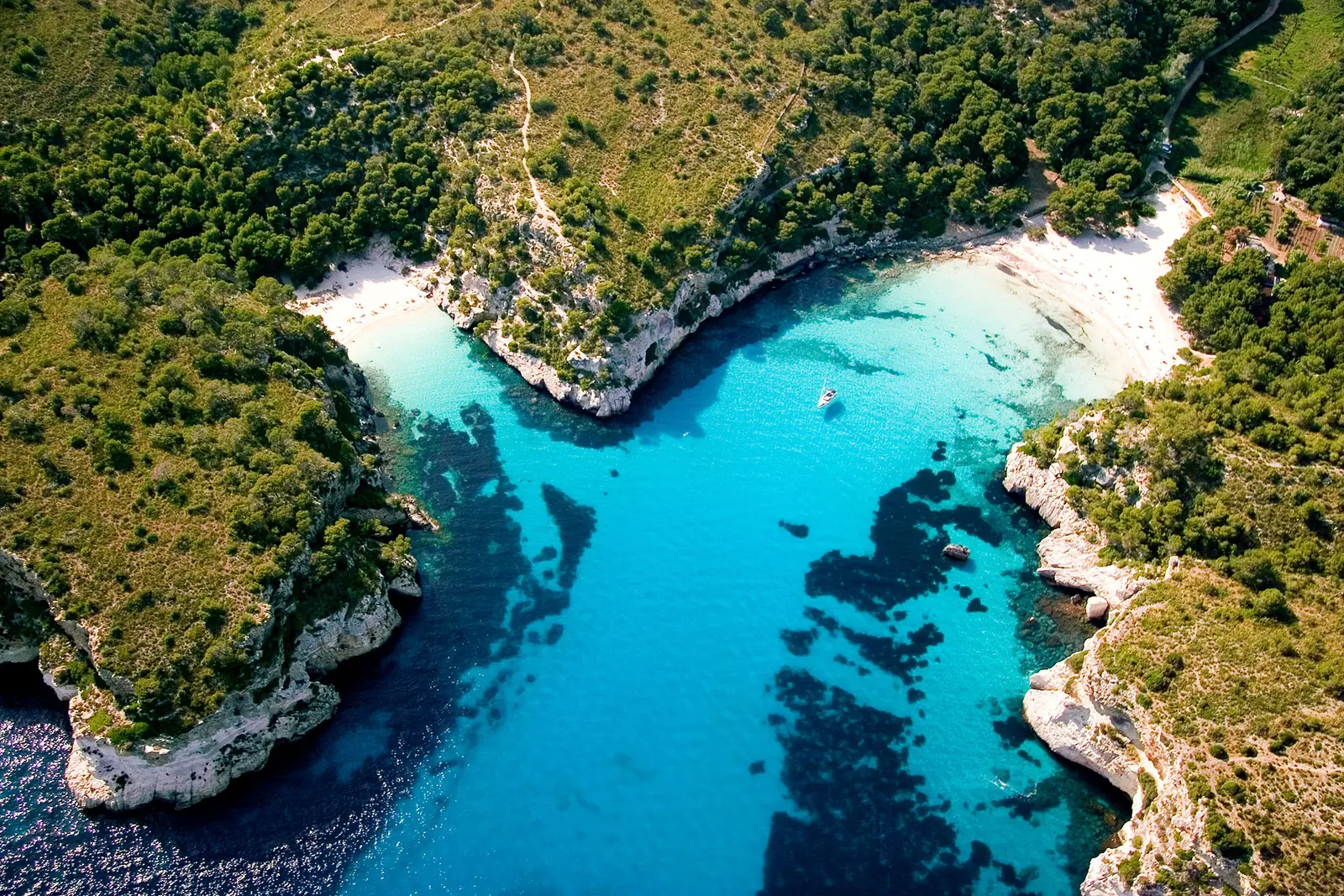
Macarella / Macarelleta © Fundació Foment del Turisme de Menorca
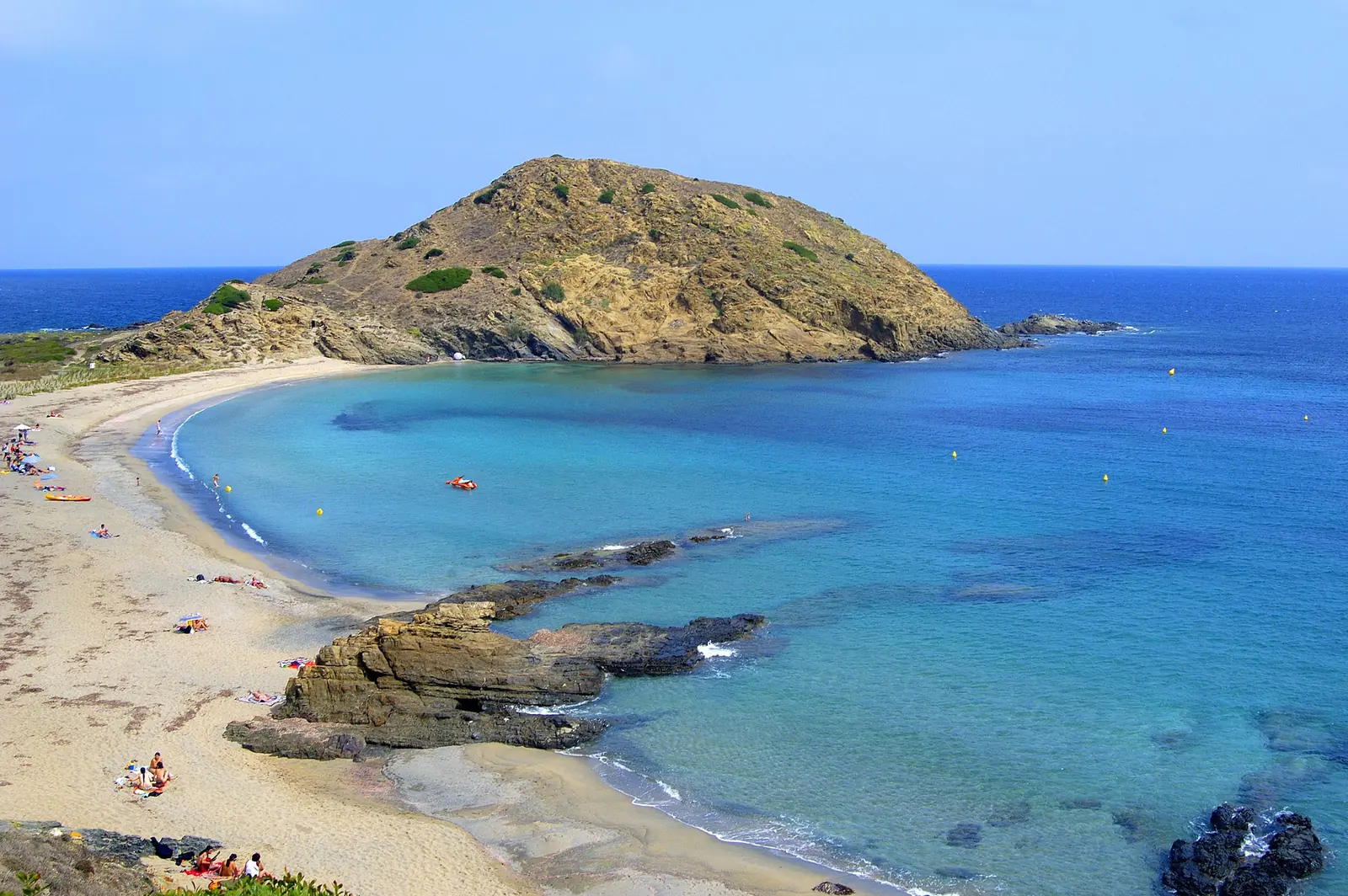
Sa Mesquida © Fundació Foment del Turisme de Menorca
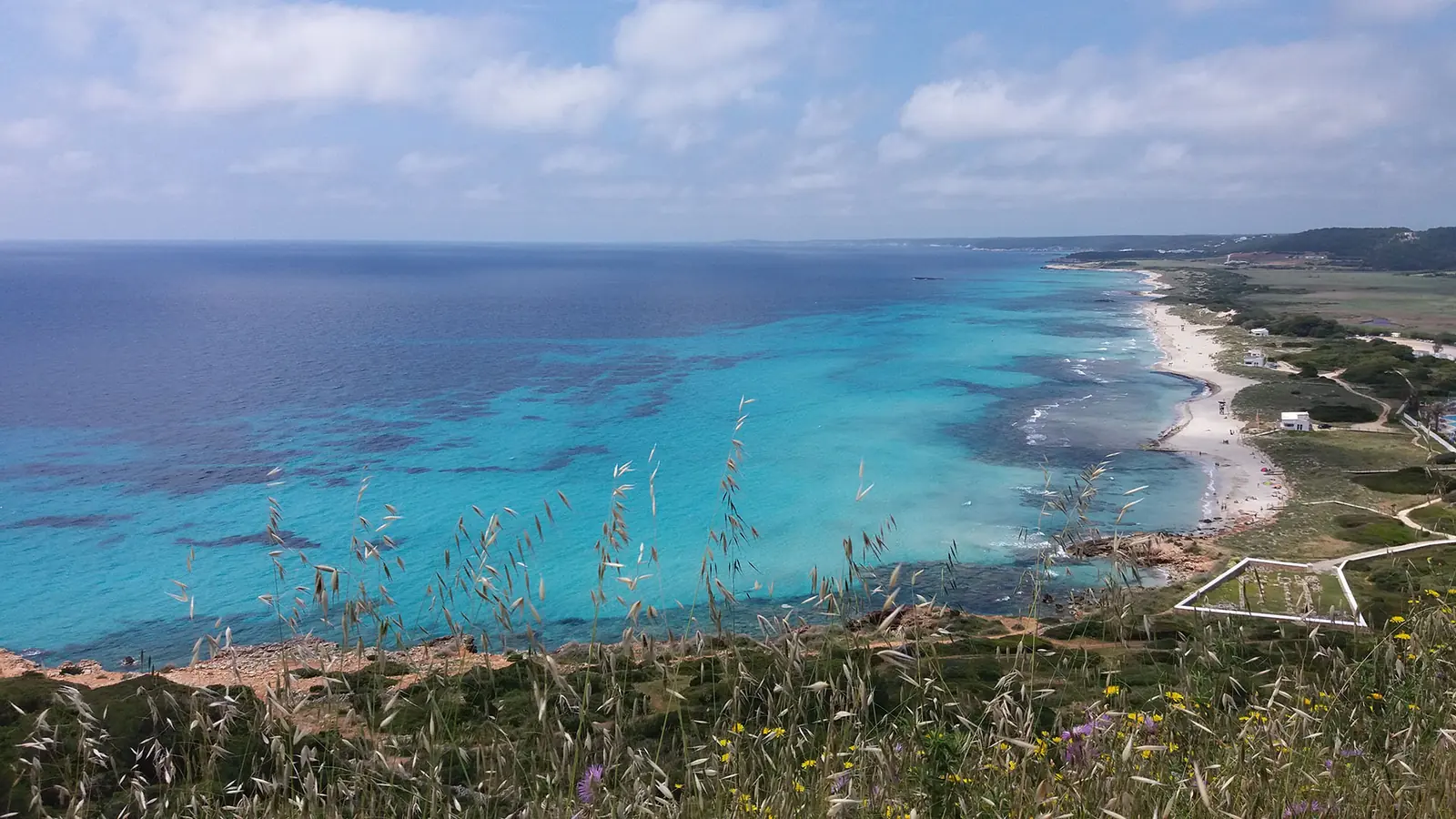
Son Bou © Alvin Delanghe
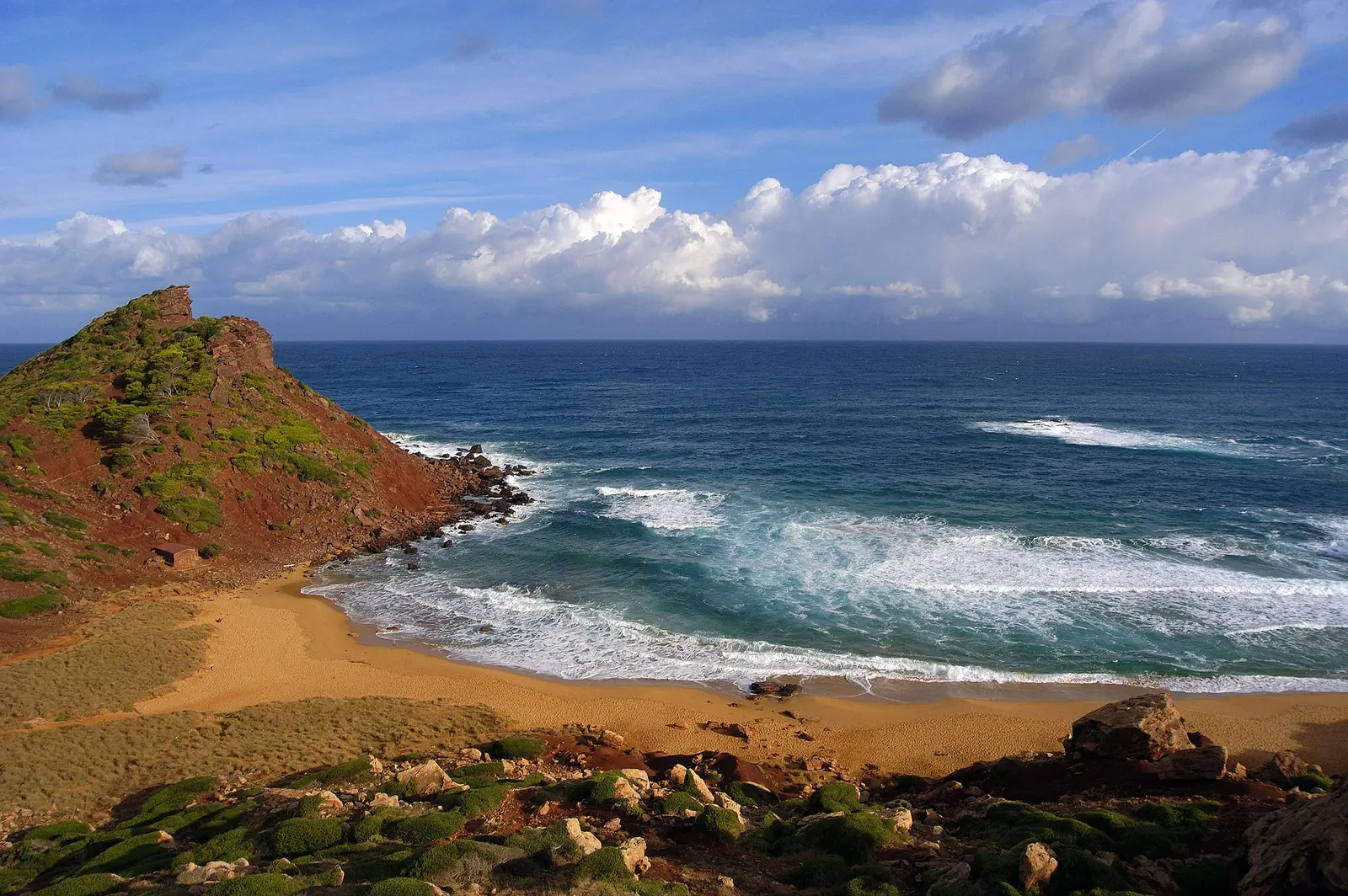
Cala Pilar © Fundació Foment del Turisme de Menorca
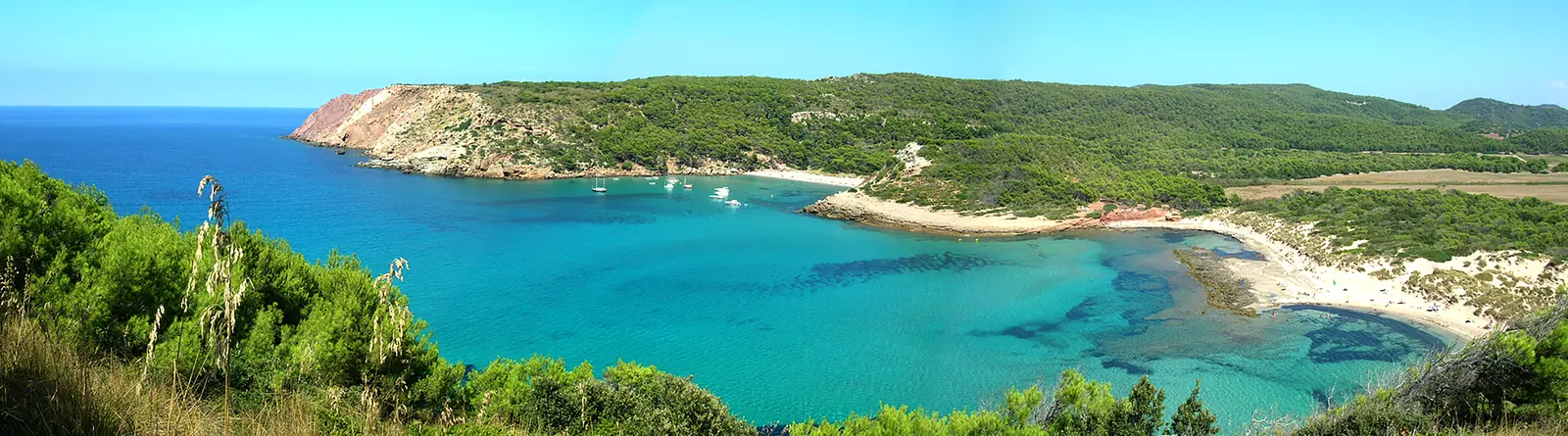
Algaiarens © Alvin Delanghe
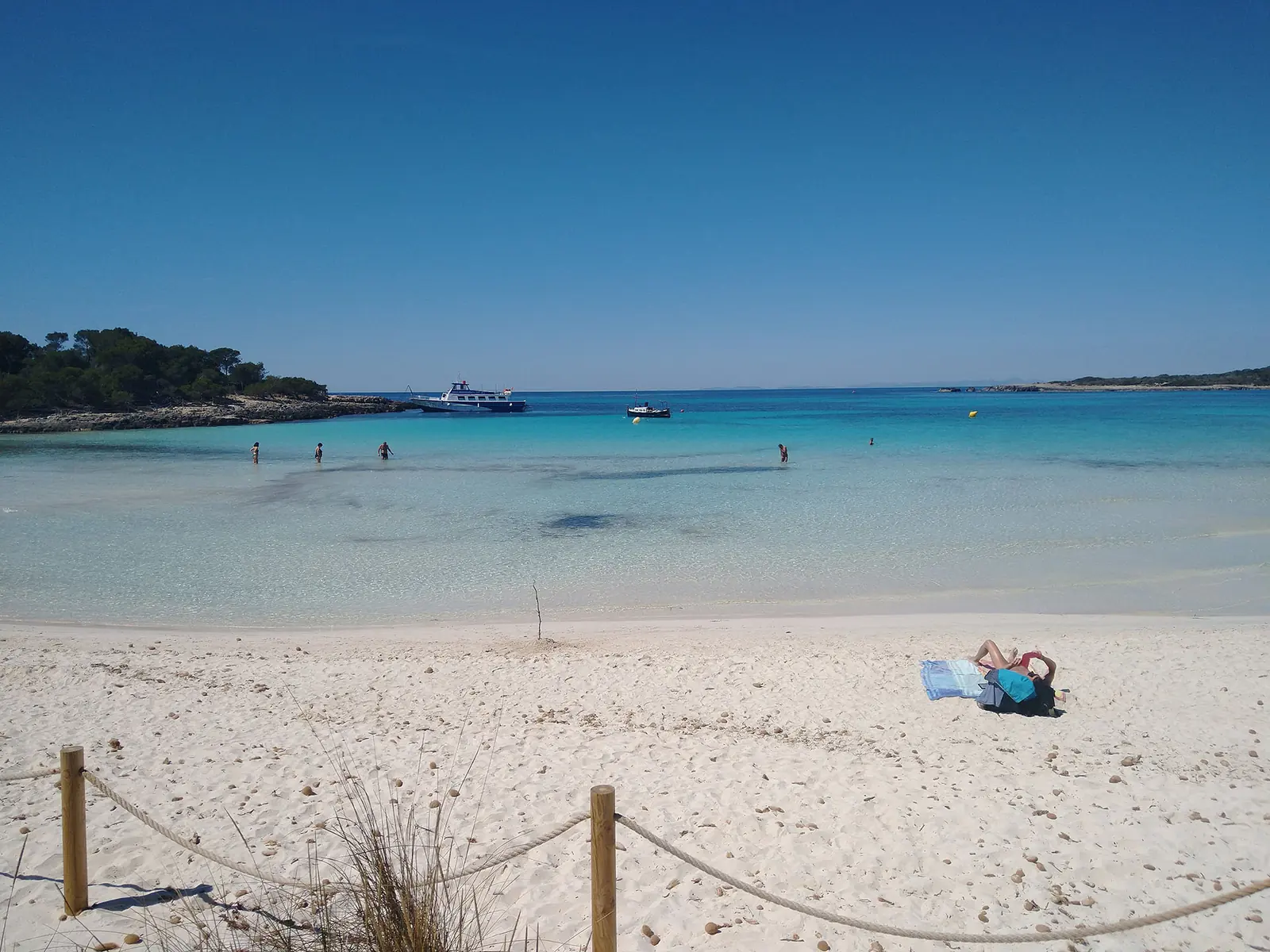
Son Saura © Jutta Vaupel
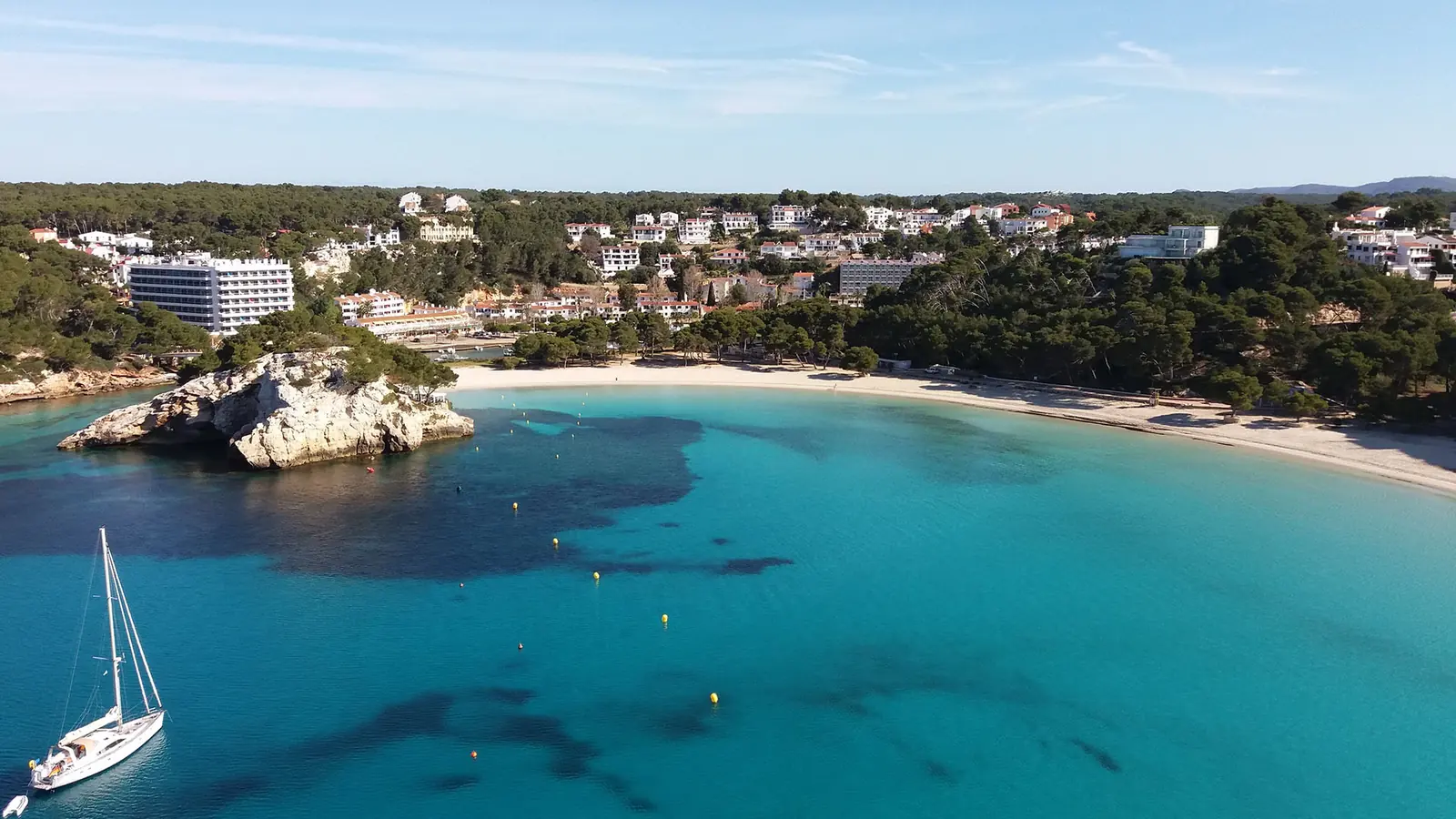
Cala Galdana © Alvin Delanghe
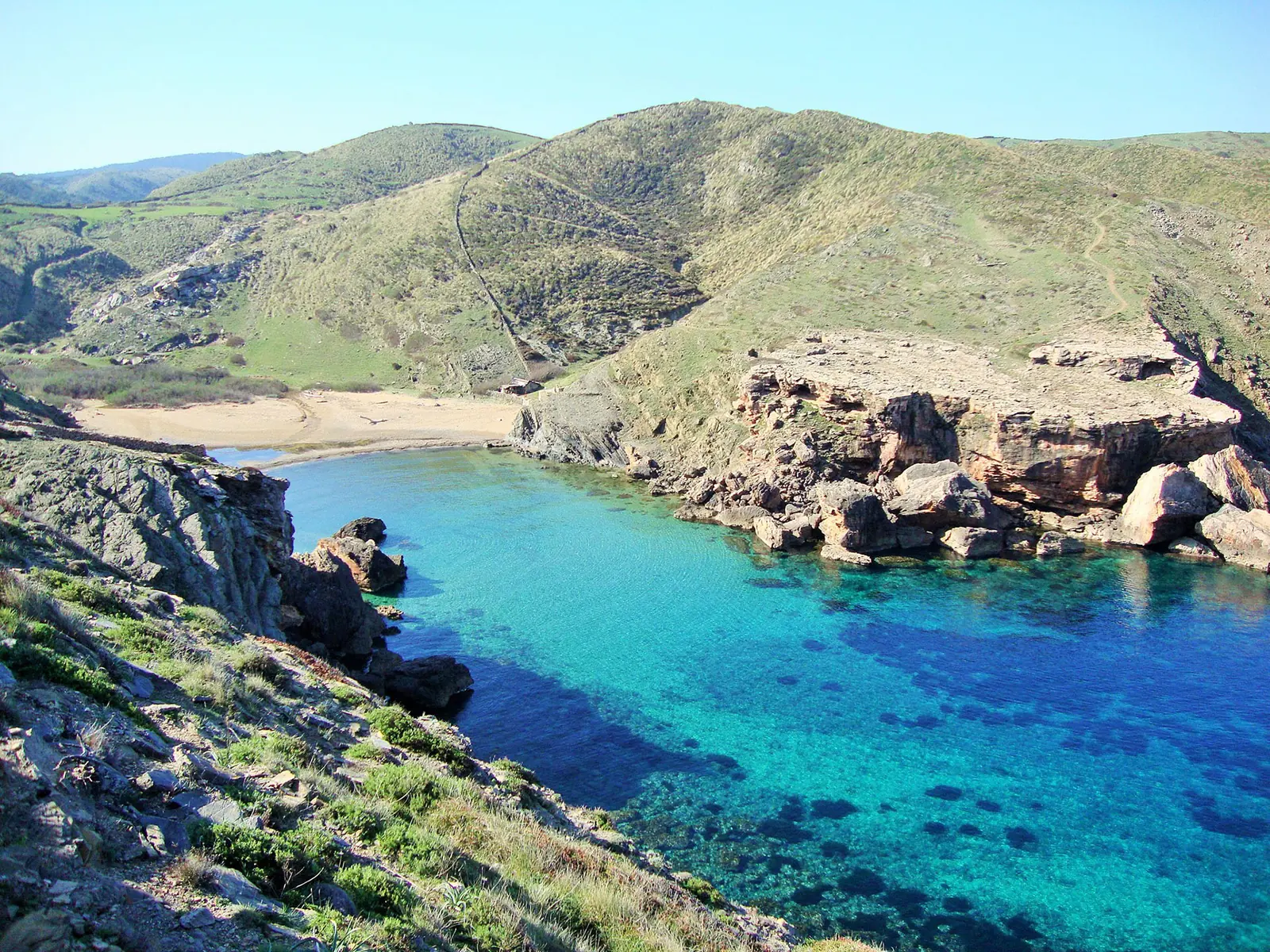
Cala en Caderer © Alvin Delanghe
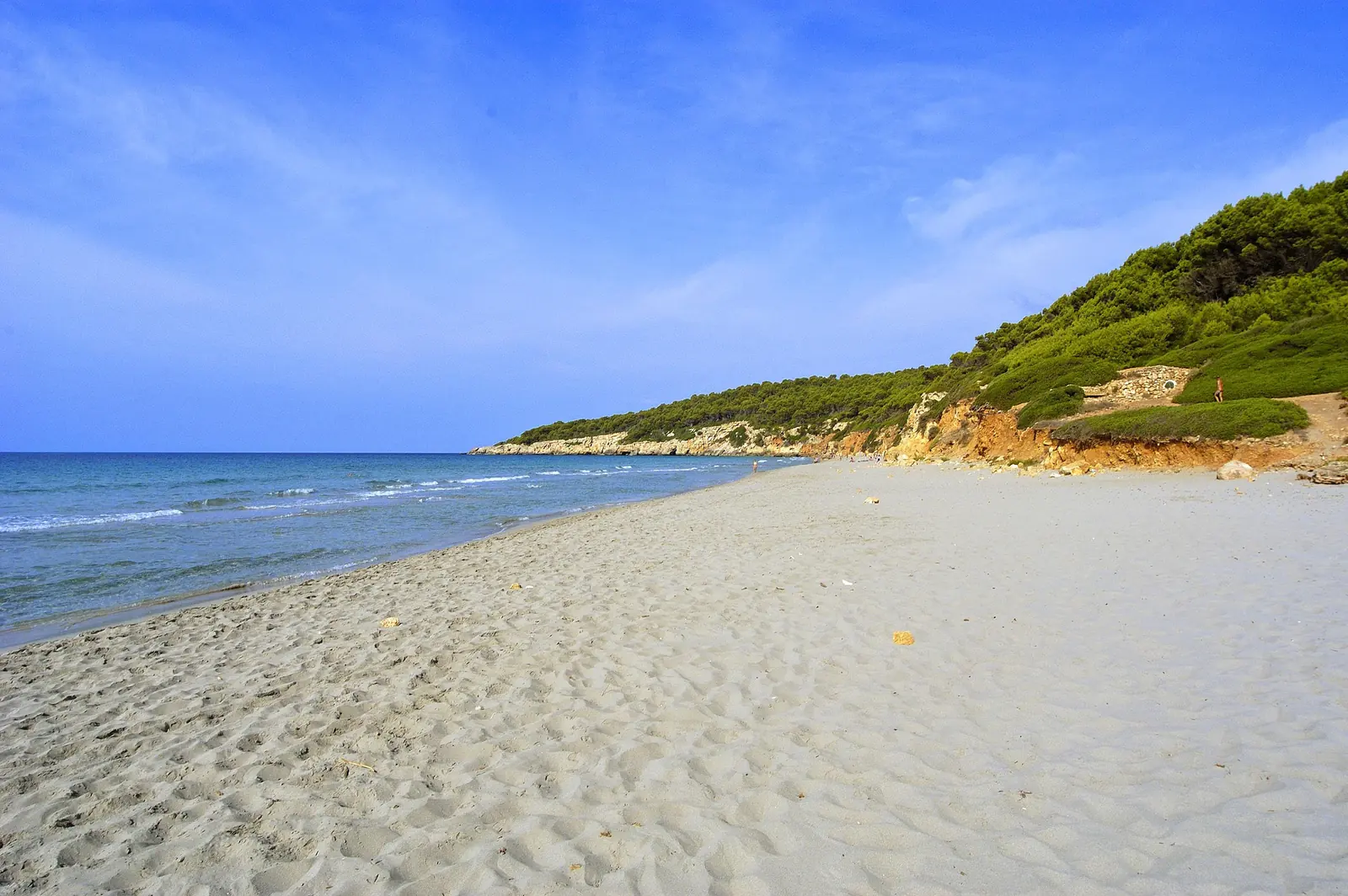
Binigaus © Fundació Foment del Turisme de Menorca
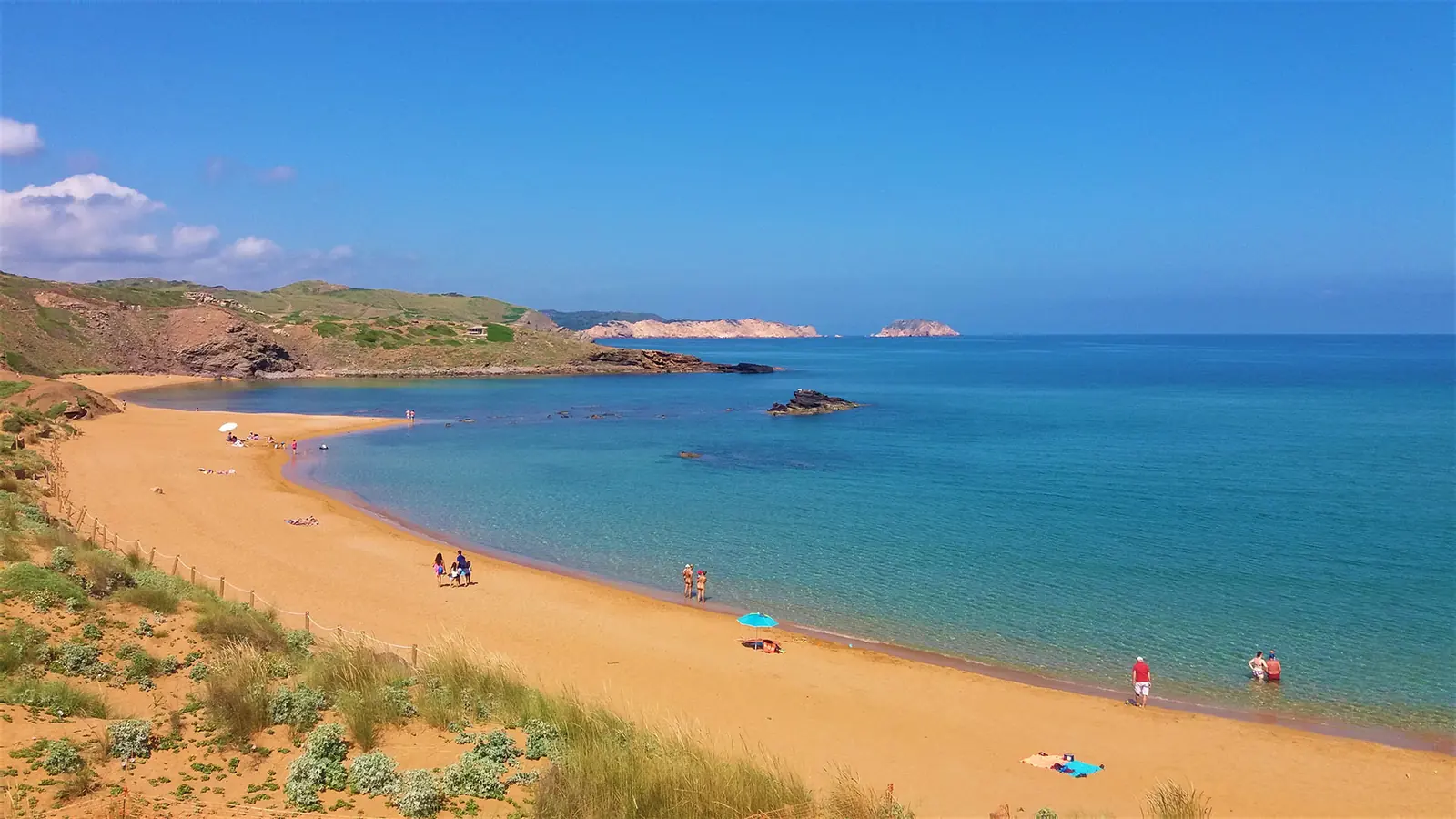
Cavalleria © Alvin Delanghe
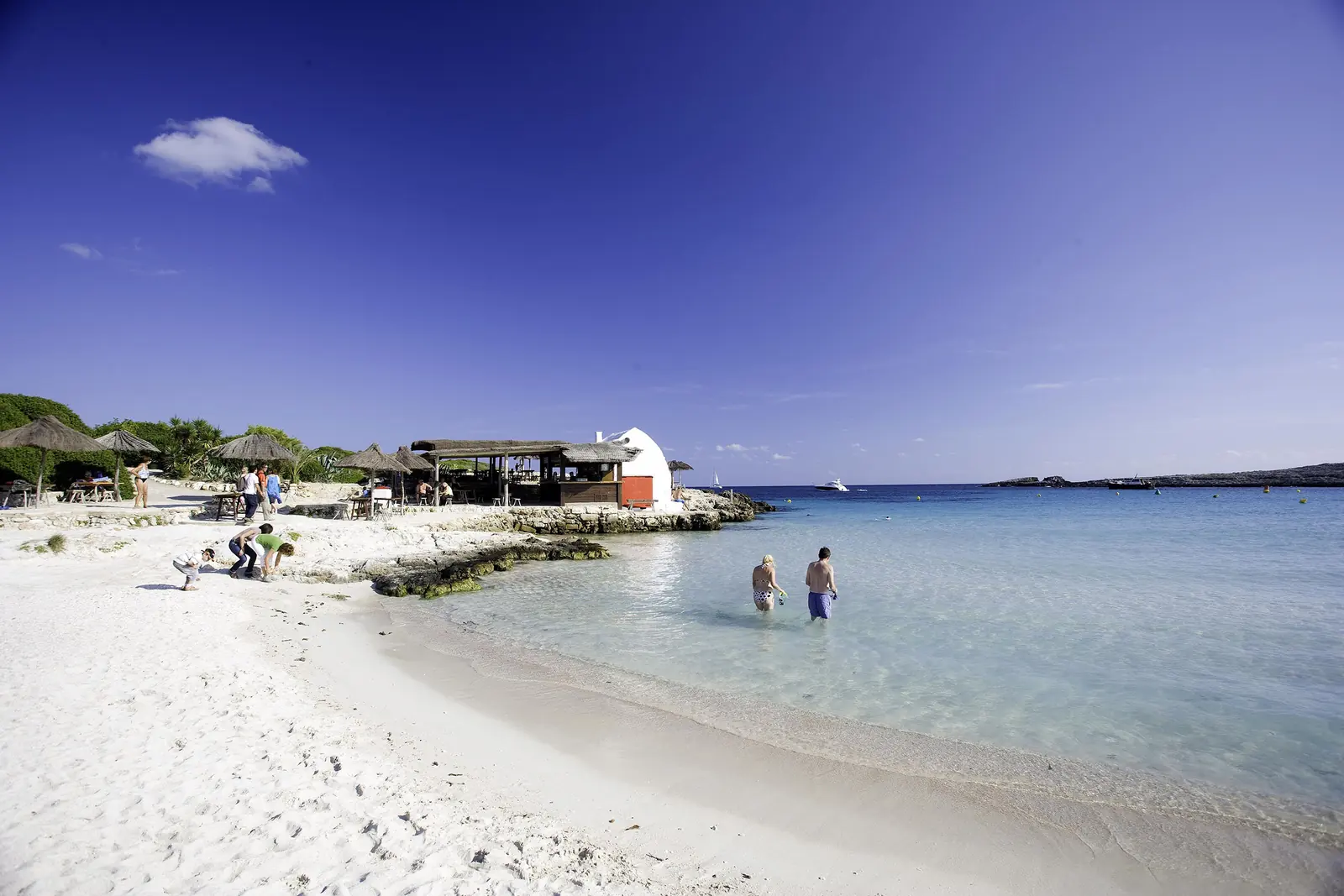
Binibèquer © Fundació Foment del Turisme de Menorca
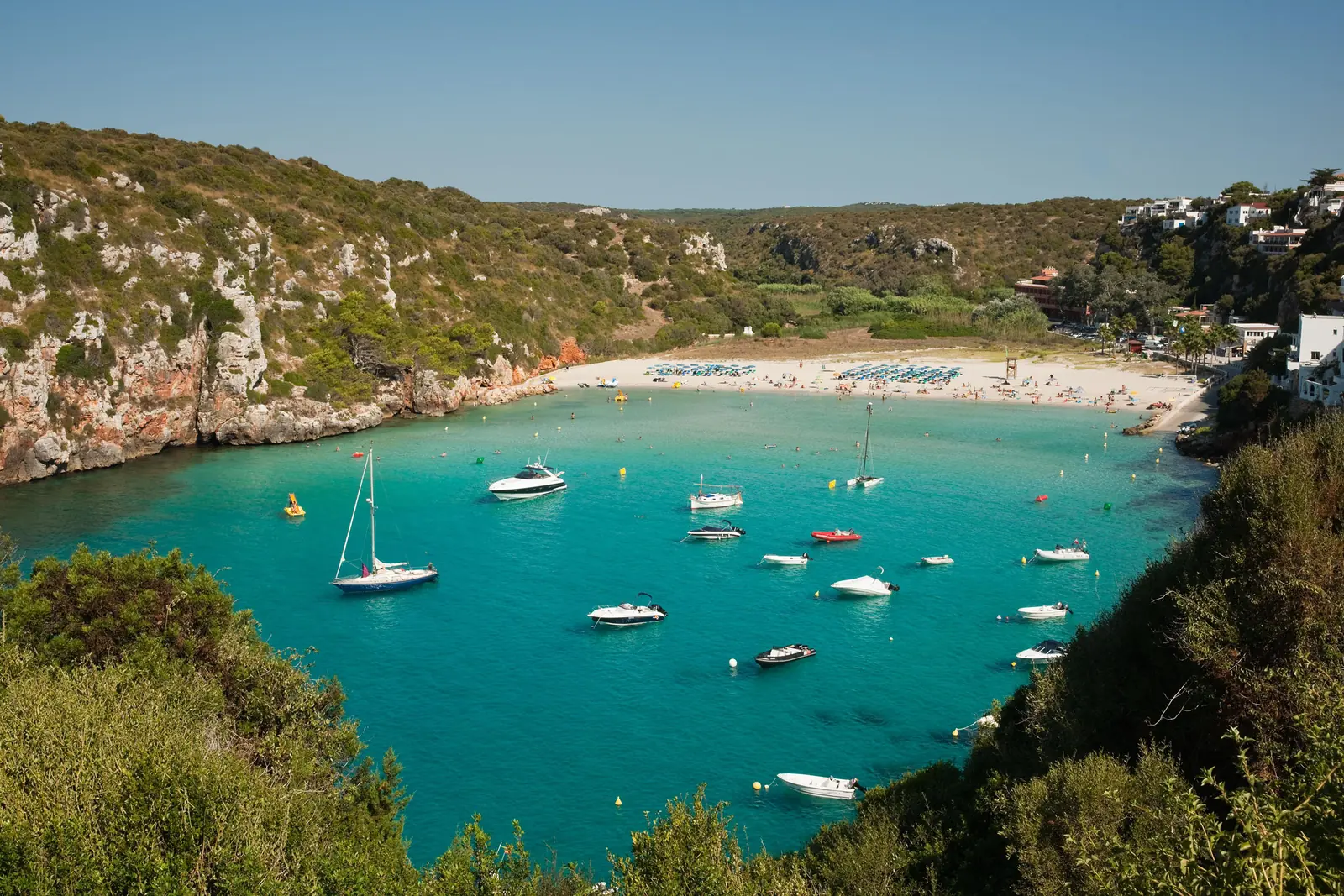
Cala en Porter © Fundació Foment del Turisme de Menorca
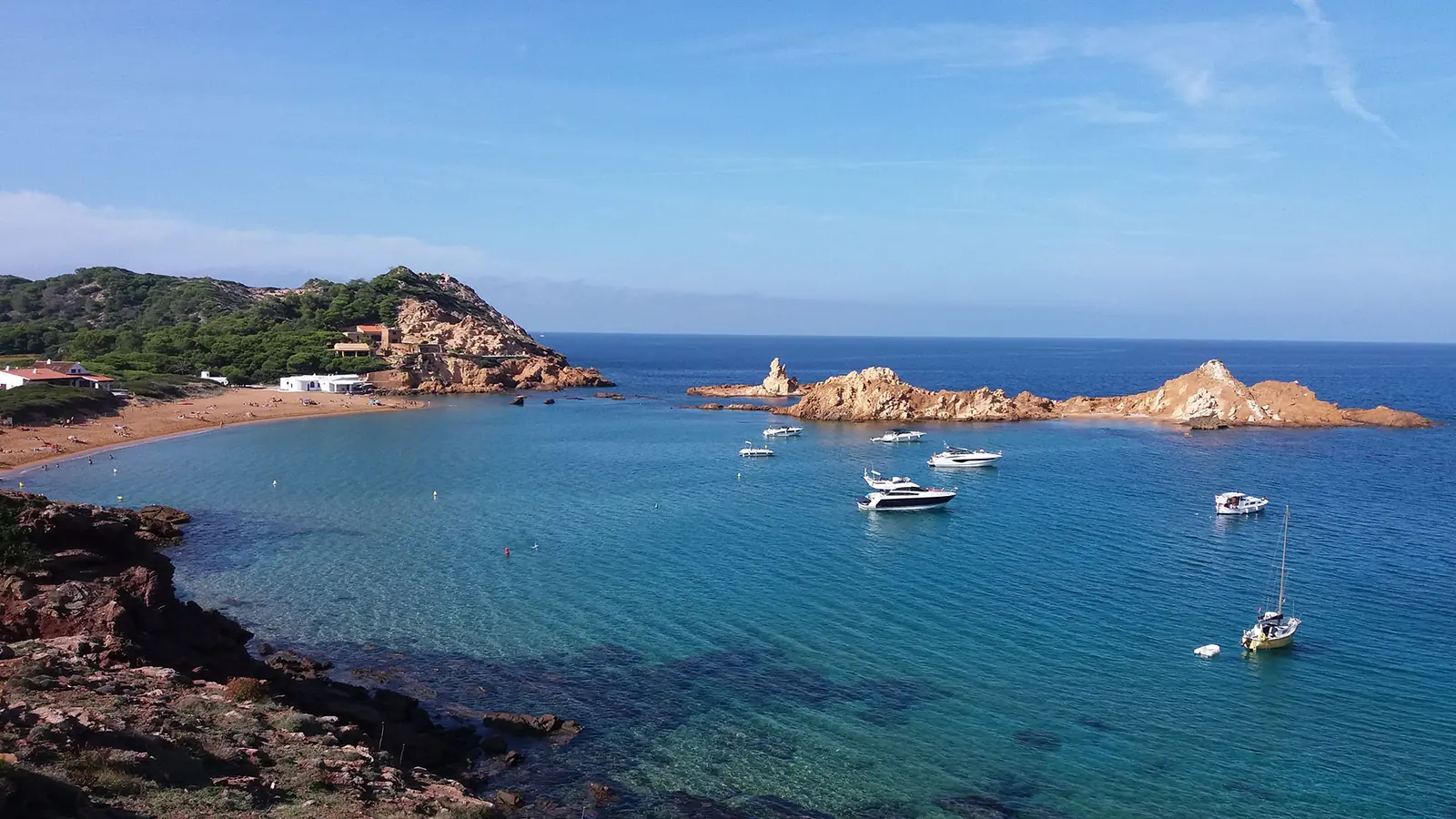
Cala Pregonda © Alvin Delanghe
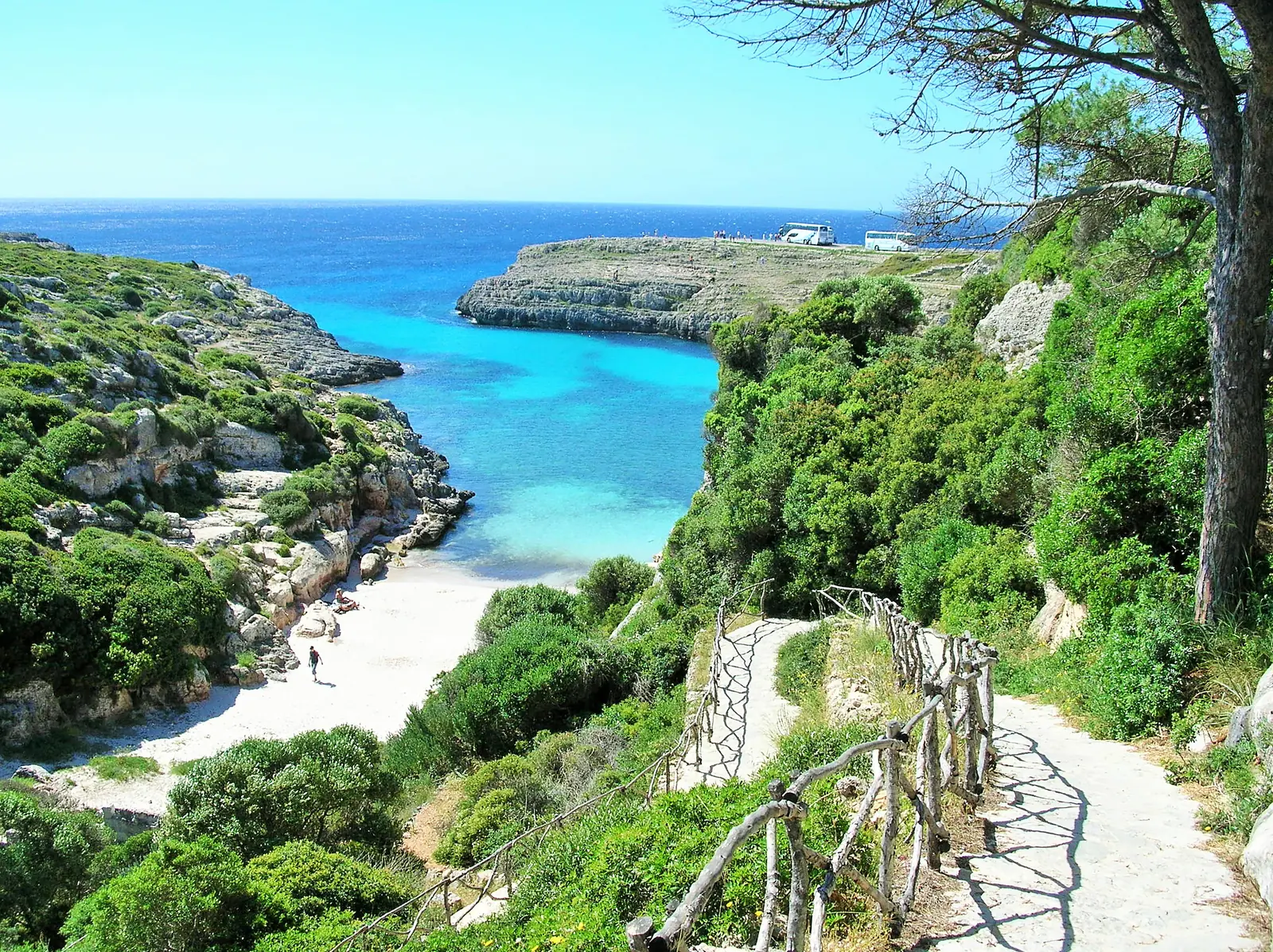
Binidalí © Alvin Delanghe
Tell us what interests you and in which language, and one of our guides will get in touch with you.
The Camí de Cavalls (‘Bridle way’) is a historical trail that dates back to the end of the Middle Ages. It was originally employed to patrol and protect the coast by horse…
One of the things that most surprises the first-time visitor to Menorca is the tremendously varied landscape for such a small island.
Menorca’s insularity, its remoteness from mainland Europe and Africa owing to its central location in the western Mediterranean, the millenary influence of the elements on its territory…