The beaches of Menorca
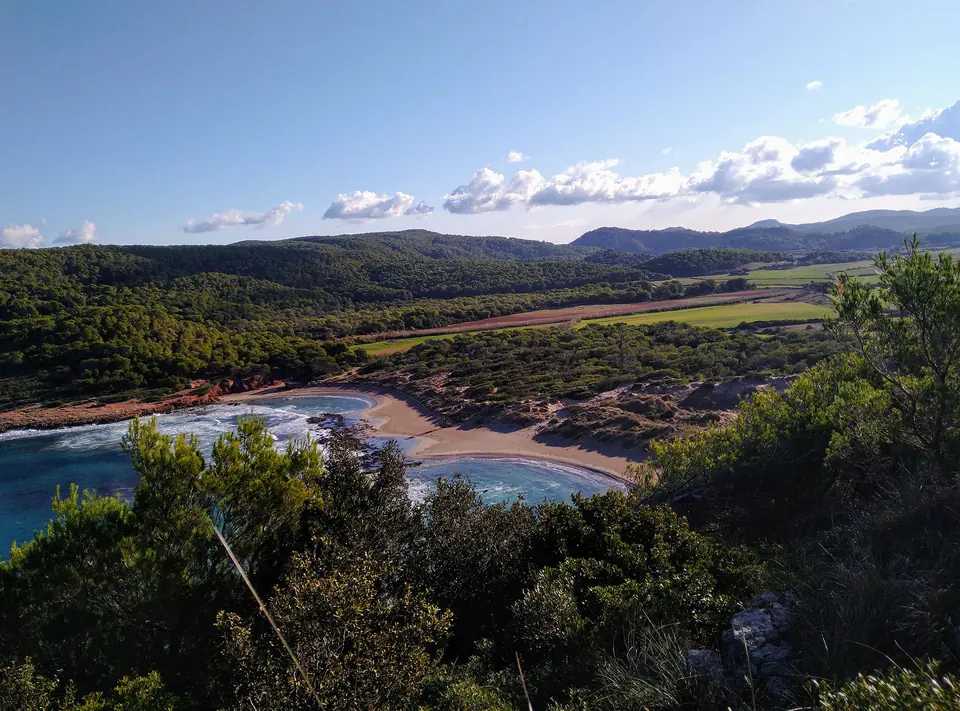
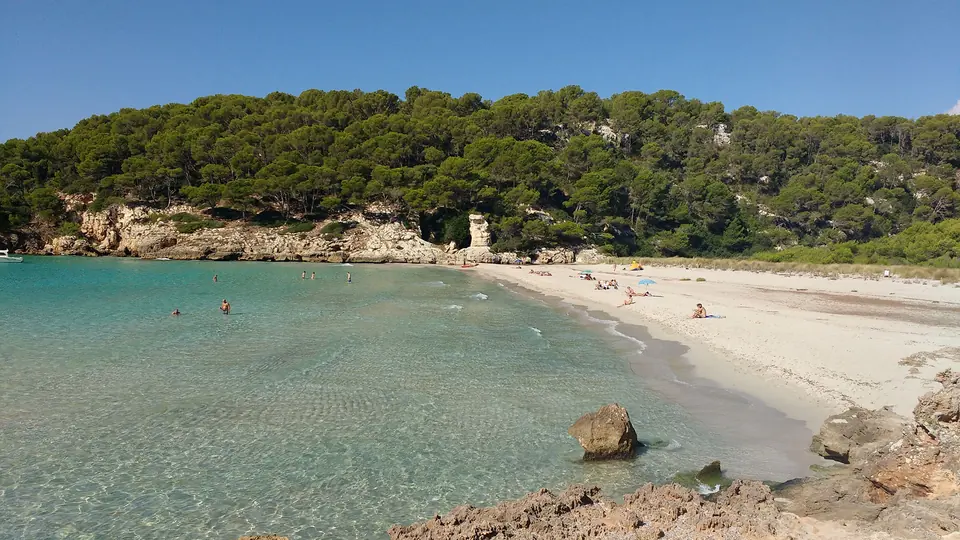
The principal attraction and hence the most valued resource of the island are the beaches. As a result, the most important type of tourism in Menorca is still that of 'sun and sand' along with nautical tourism.
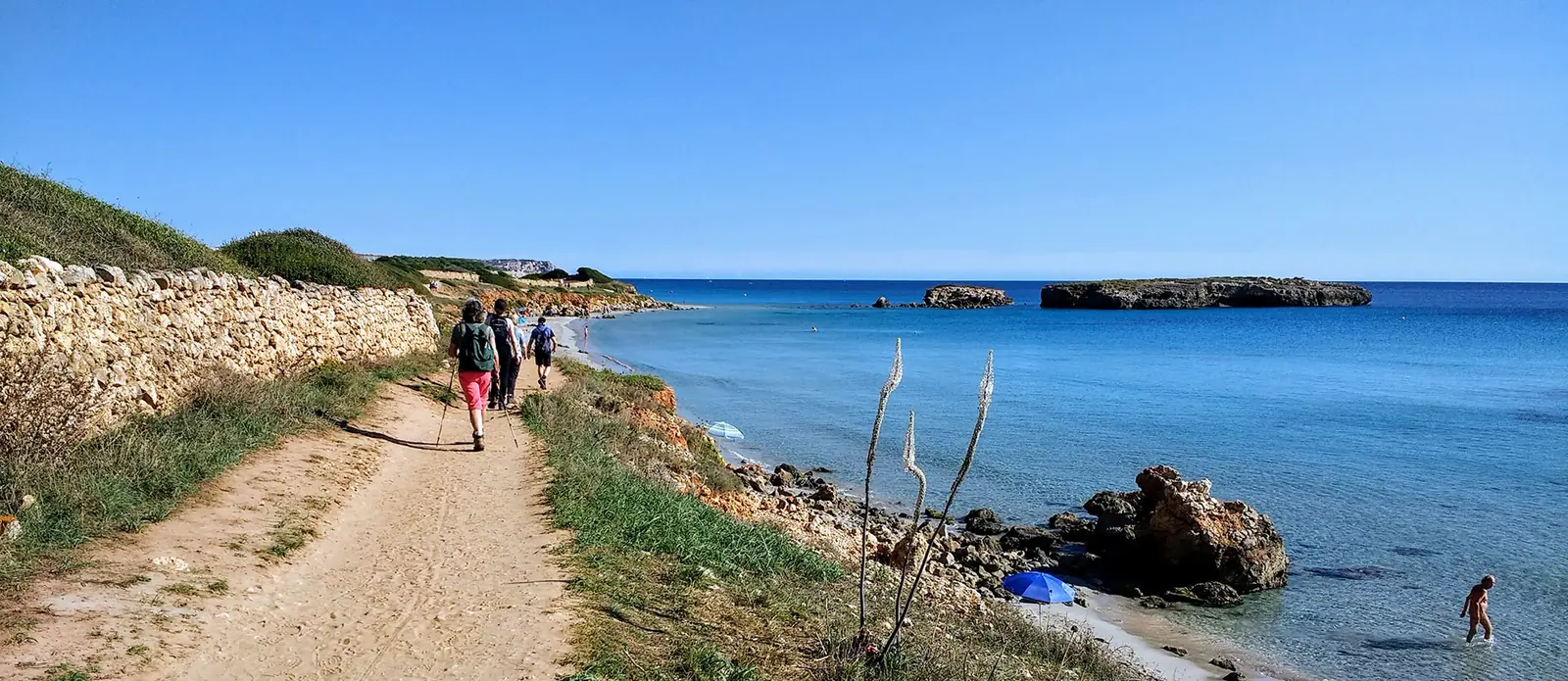
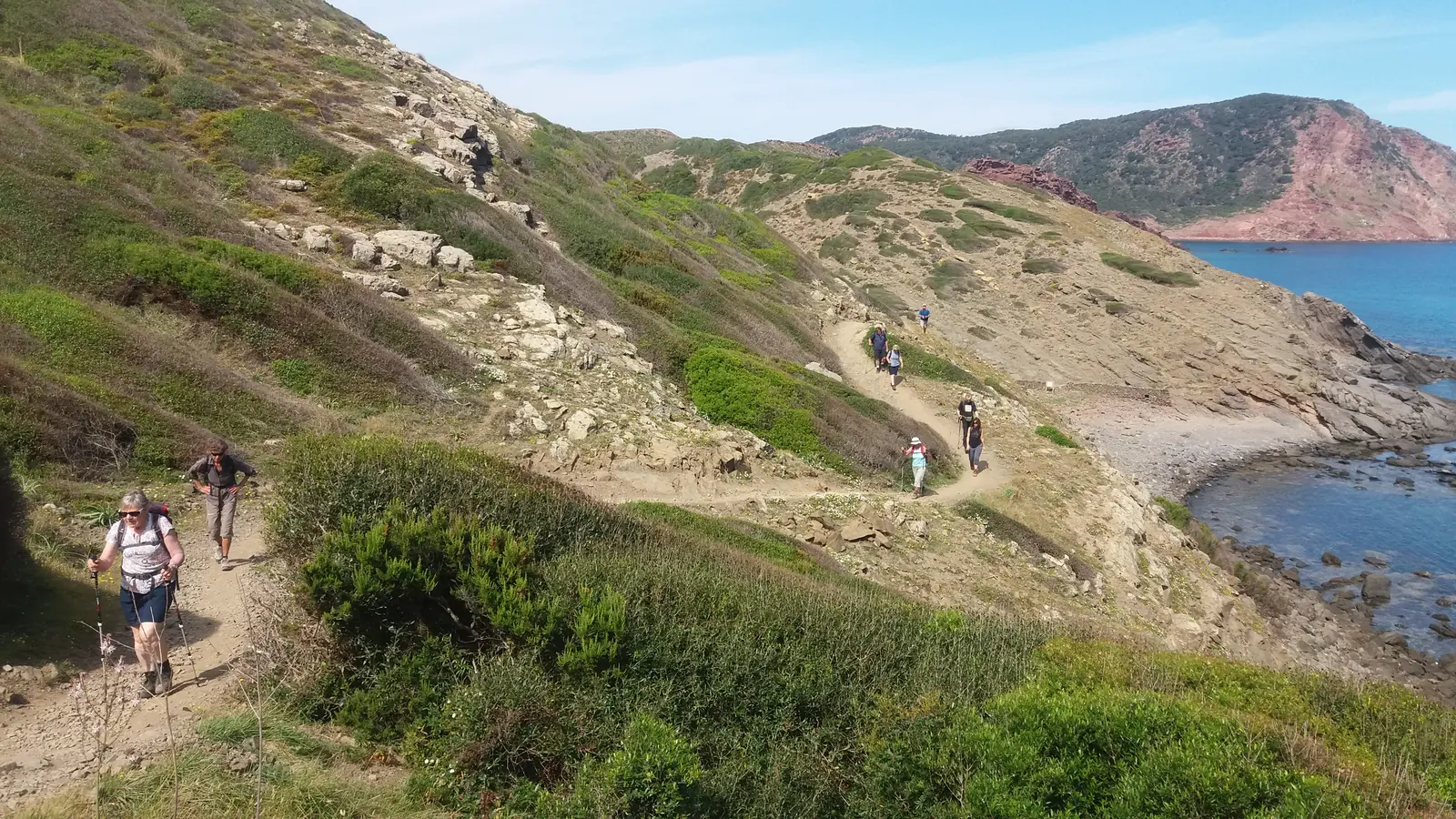
The Camí de Cavalls (‘Bridle way’) is a historical trail that dates back to the end of the Middle Ages. It was originally employed to patrol and protect the coast by horse, but now it offers us the opportunity to discover the most beautiful spots of this island recently declared a Biosphere Reserve by UNESCO. Although it lay in disuse for a while, the commitment of Menorcan society has ensured that since 2010 it is fully passable again.
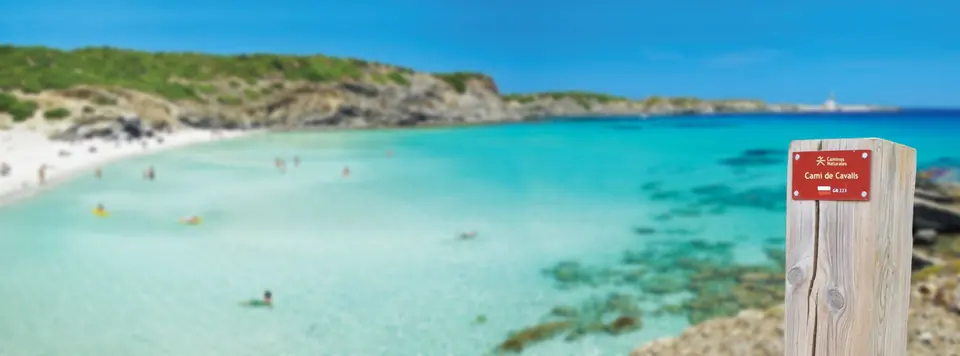
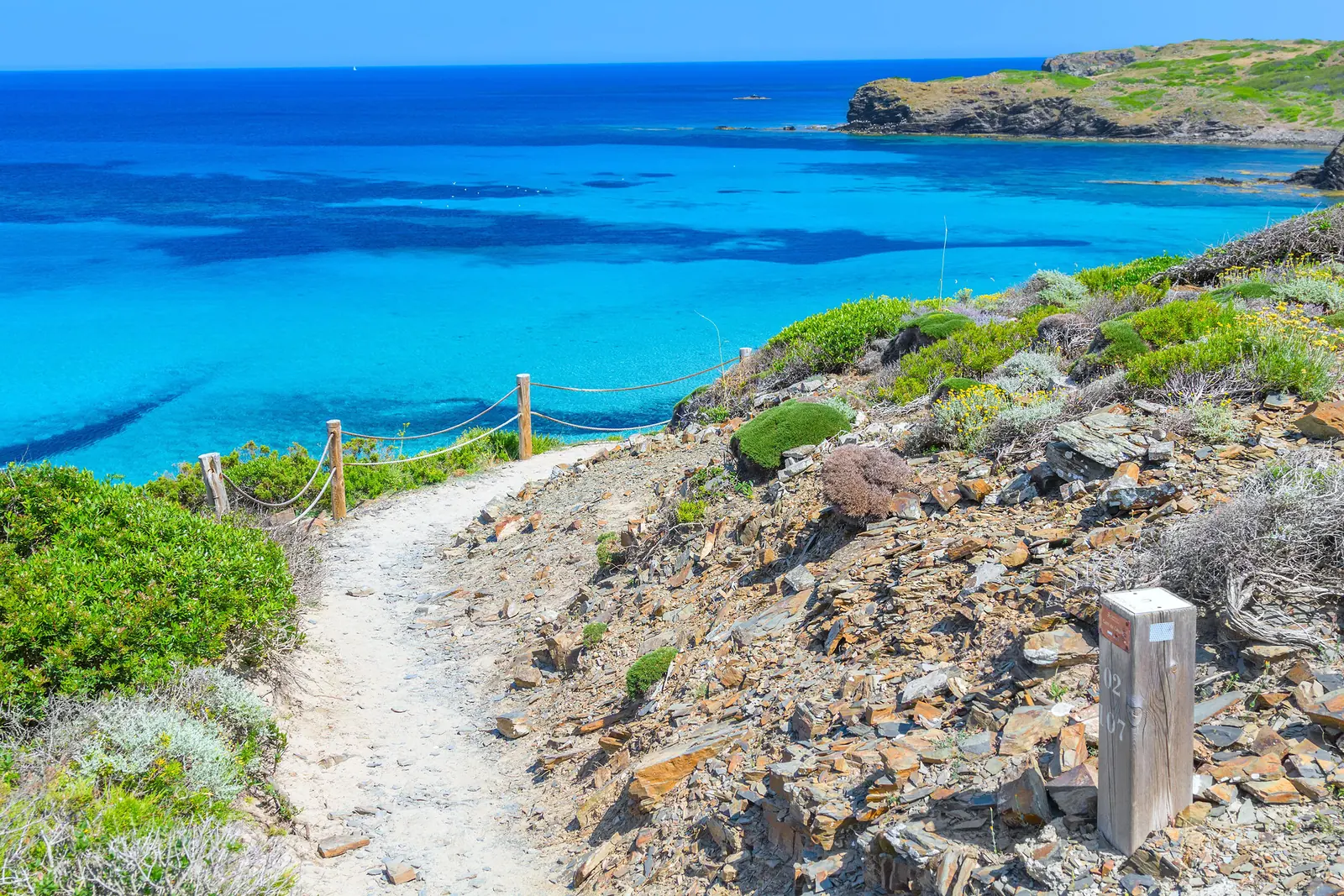
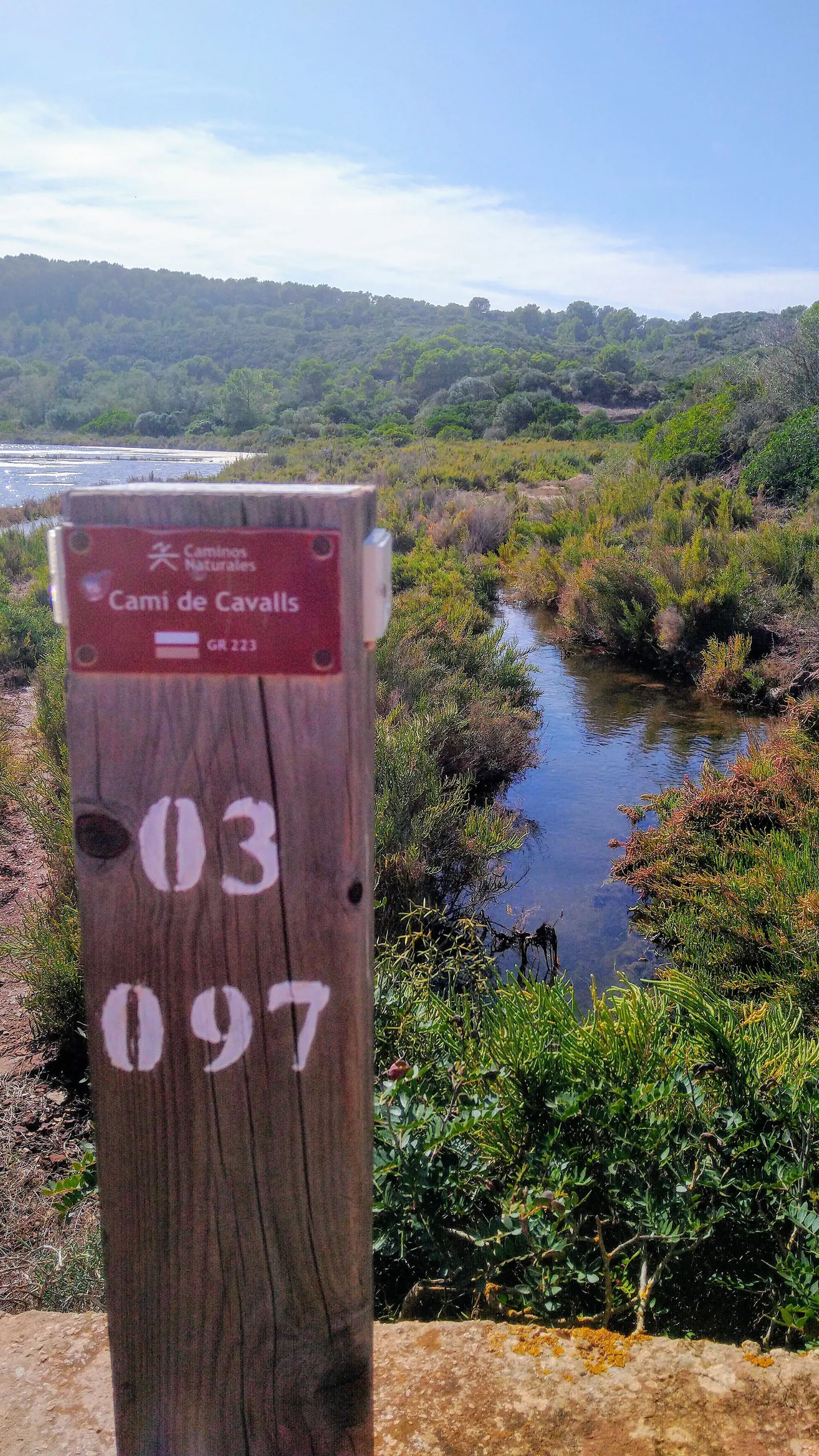
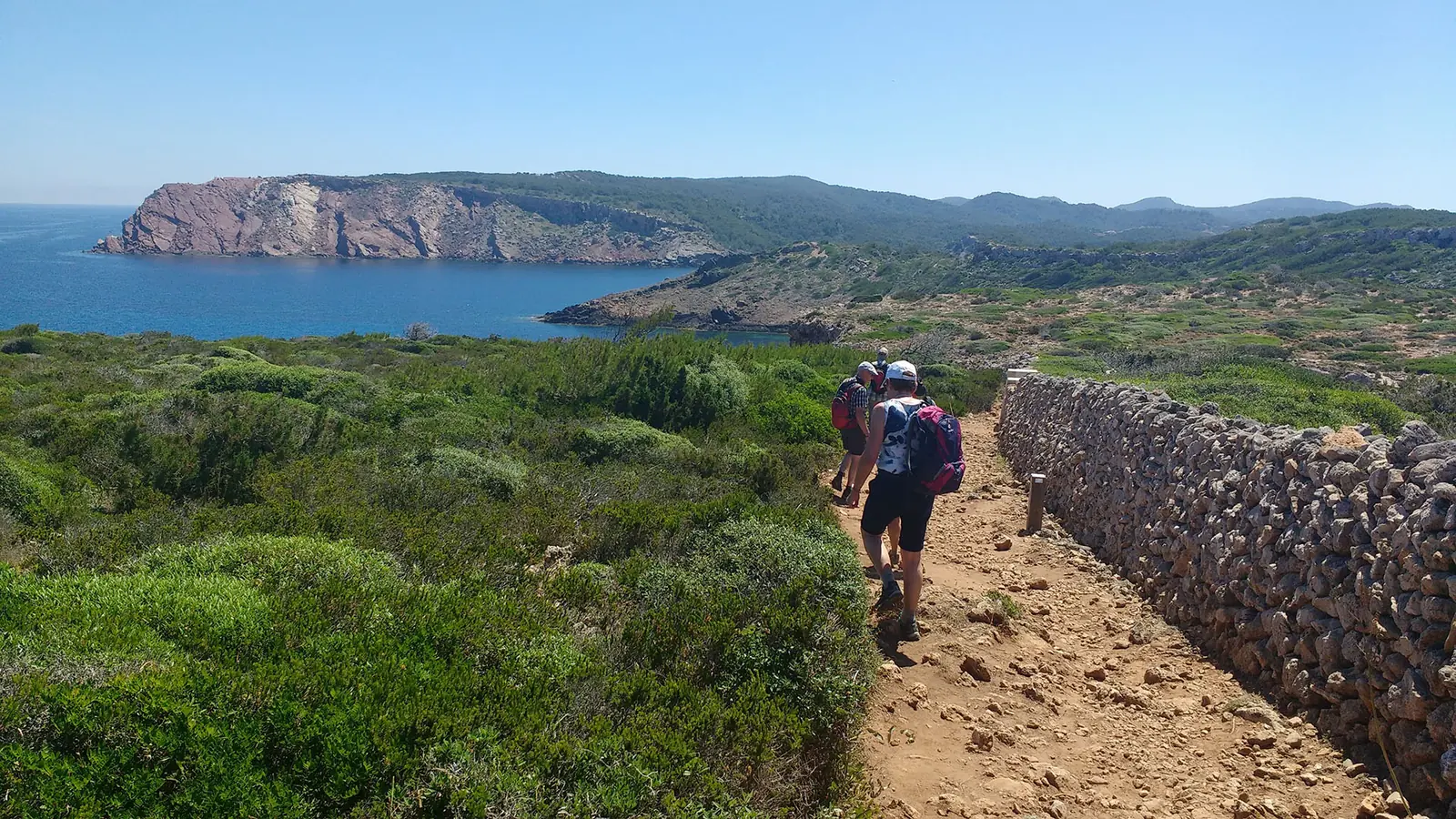
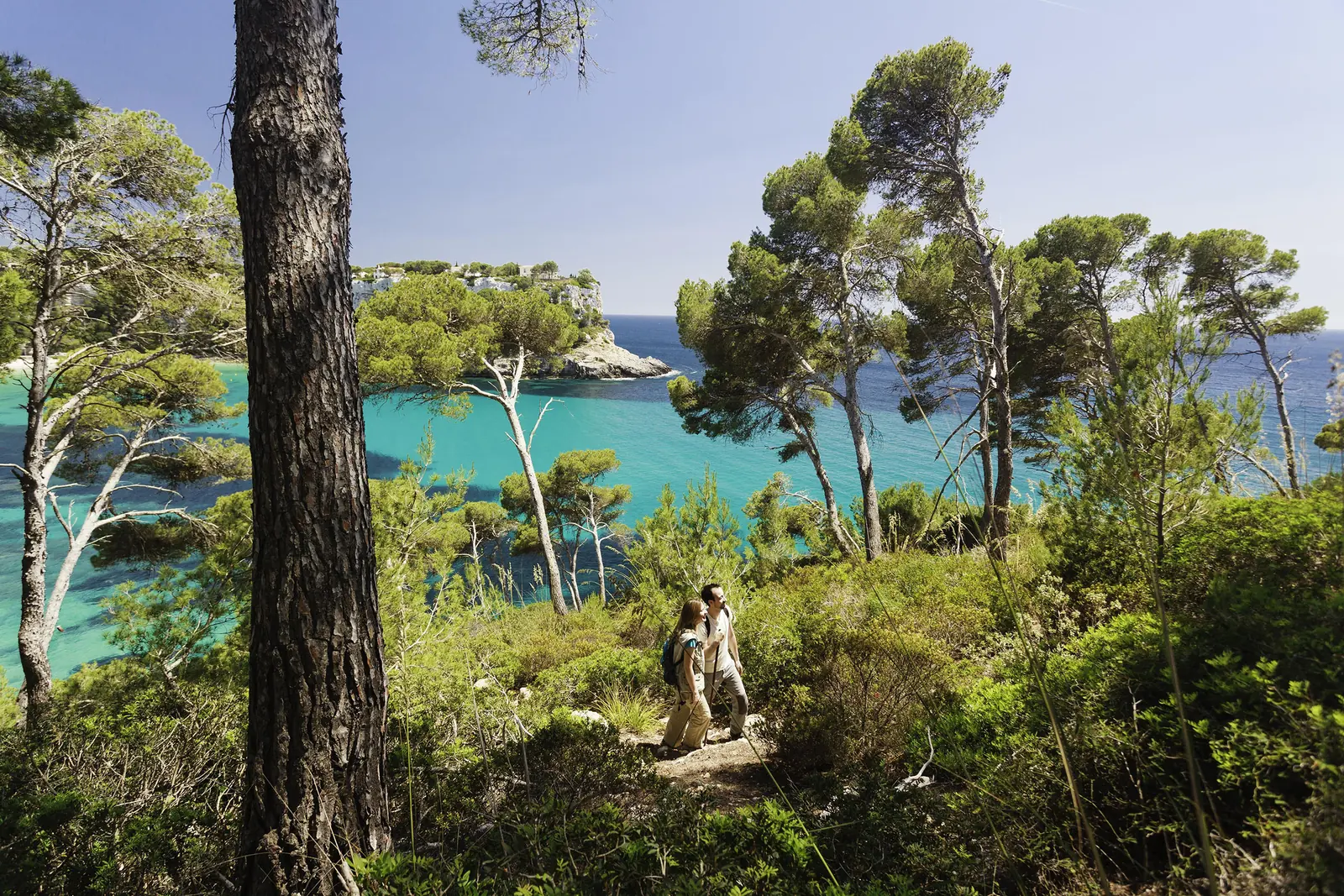
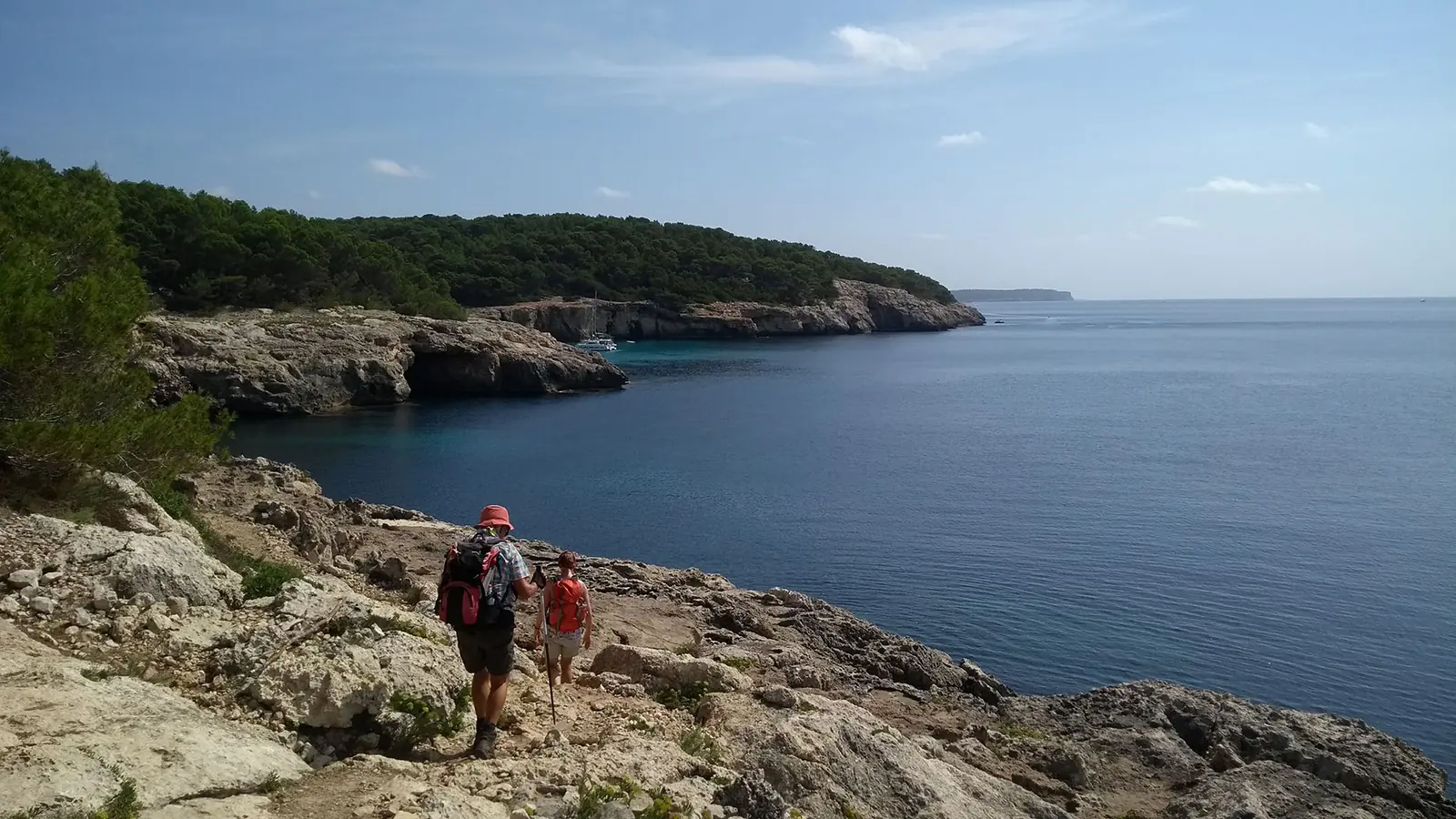
The Camí de Cavalls of Menorca, recognized as the GR route (‘Long distance trail’) GR-223, is a footpath that borders the island for 185 km, mainly along its coast, although sometimes it goes into the shrub-or woodlands of the interior of the island to avoid ravines and other natural obstacles.
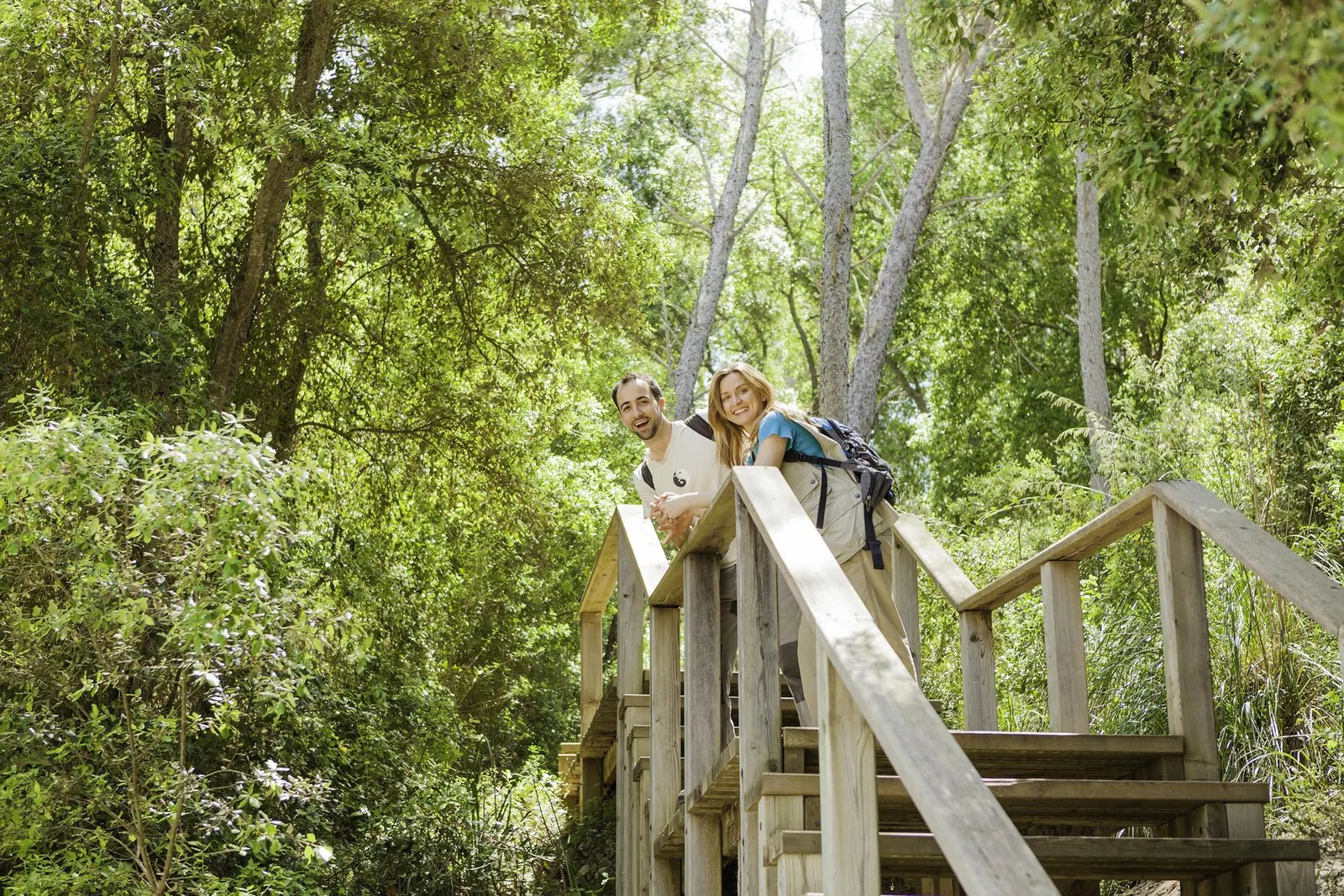
It is suitable for hiking, cycling (mountain biking) and horse riding. It is very clearly signposted by wooden posts bearing the characteristic white and red symbol and there are excellent information boards along the entire route.
The Camí de Cavalls represents much more than just a footpath since it is the result of the struggle of the islanders who, with their impetus, managed to convince politicians that the route was part of the collective heritage of Menorcan society, and should therefore be open to everyone.
Over the past decade, the trail has become an authentic tourist attraction in Menorca and, in addition, all kinds of sporting events are held along the route throughout the year.
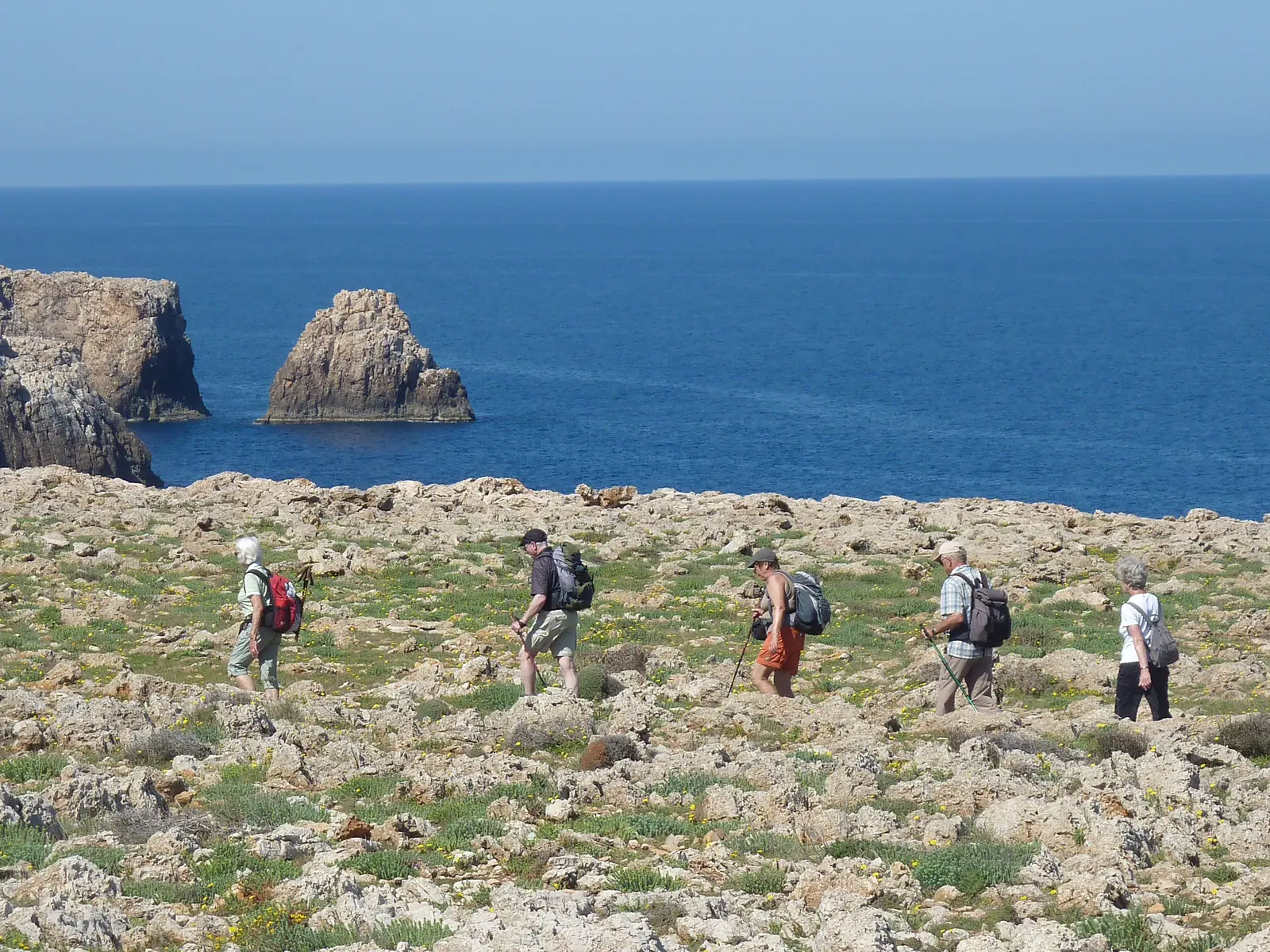
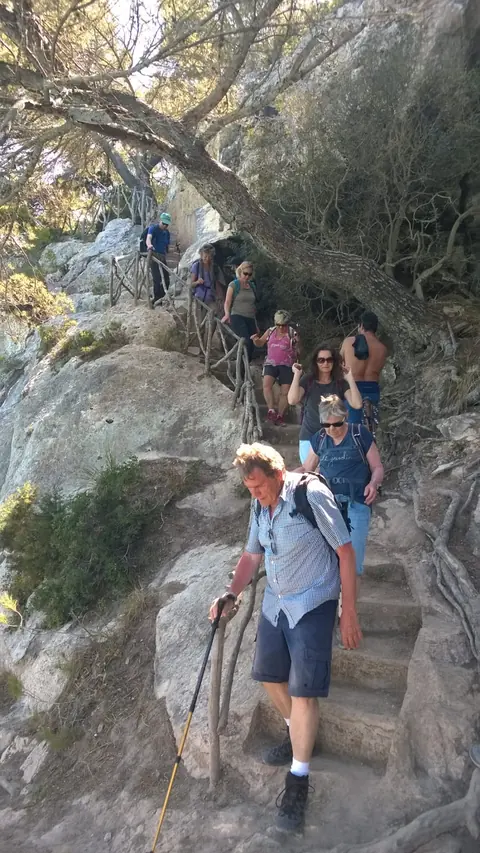
The Camí de Cavalls is officially organised into 20 stages of varying length and difficulty, so you can walk all of it over several days or just the stretches that interest you most. Some sections are flat and easy; others, with ravines and loose stone, ask more of your legs.
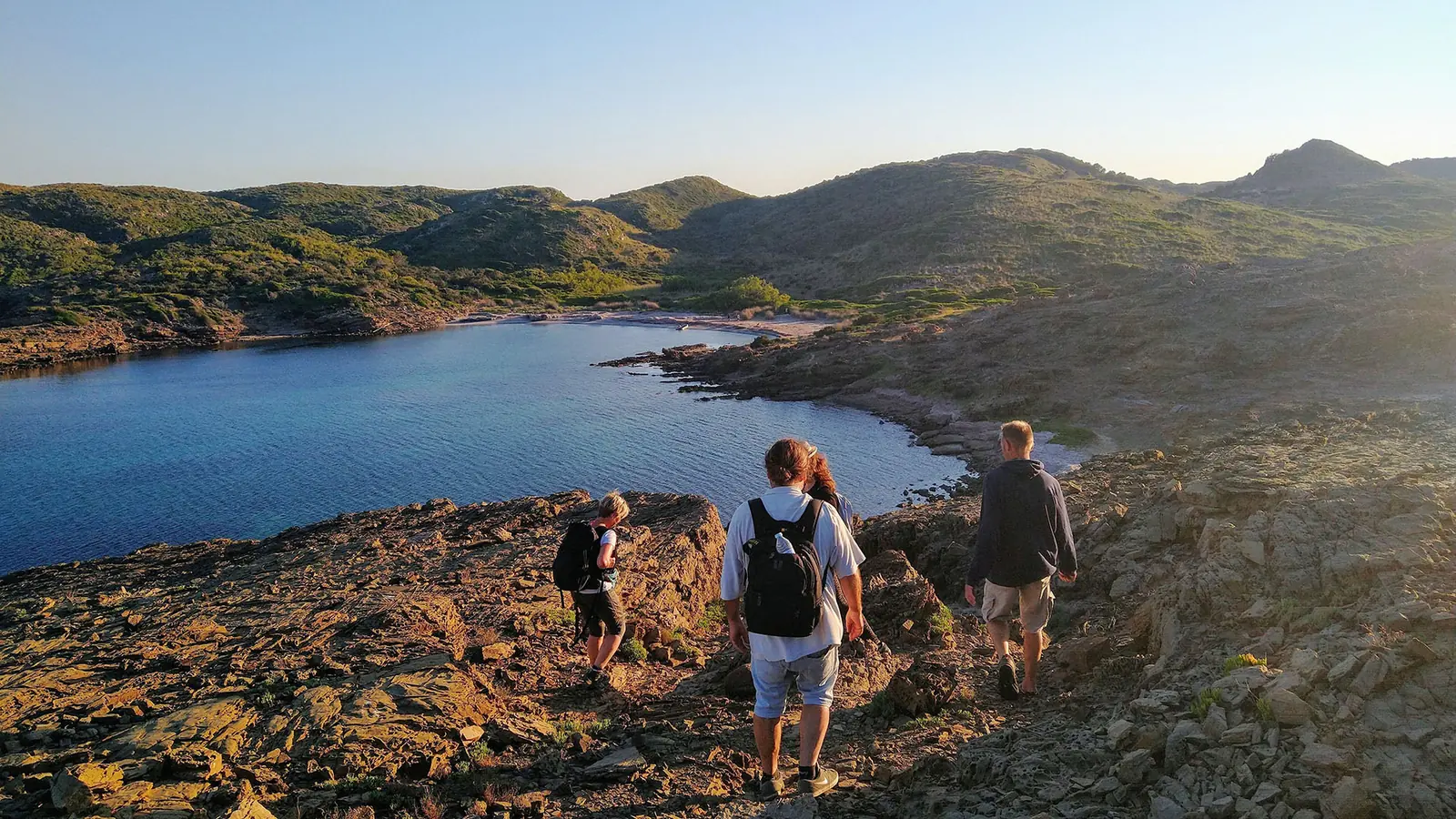
It began as a patrol path: mounted patrols watched the coast against pirate raids, a threat that the article on historical heritage also covers, with its defensive towers. Today those same stretches are a thread for discovering coves, cliffs and wooded coastal flats.
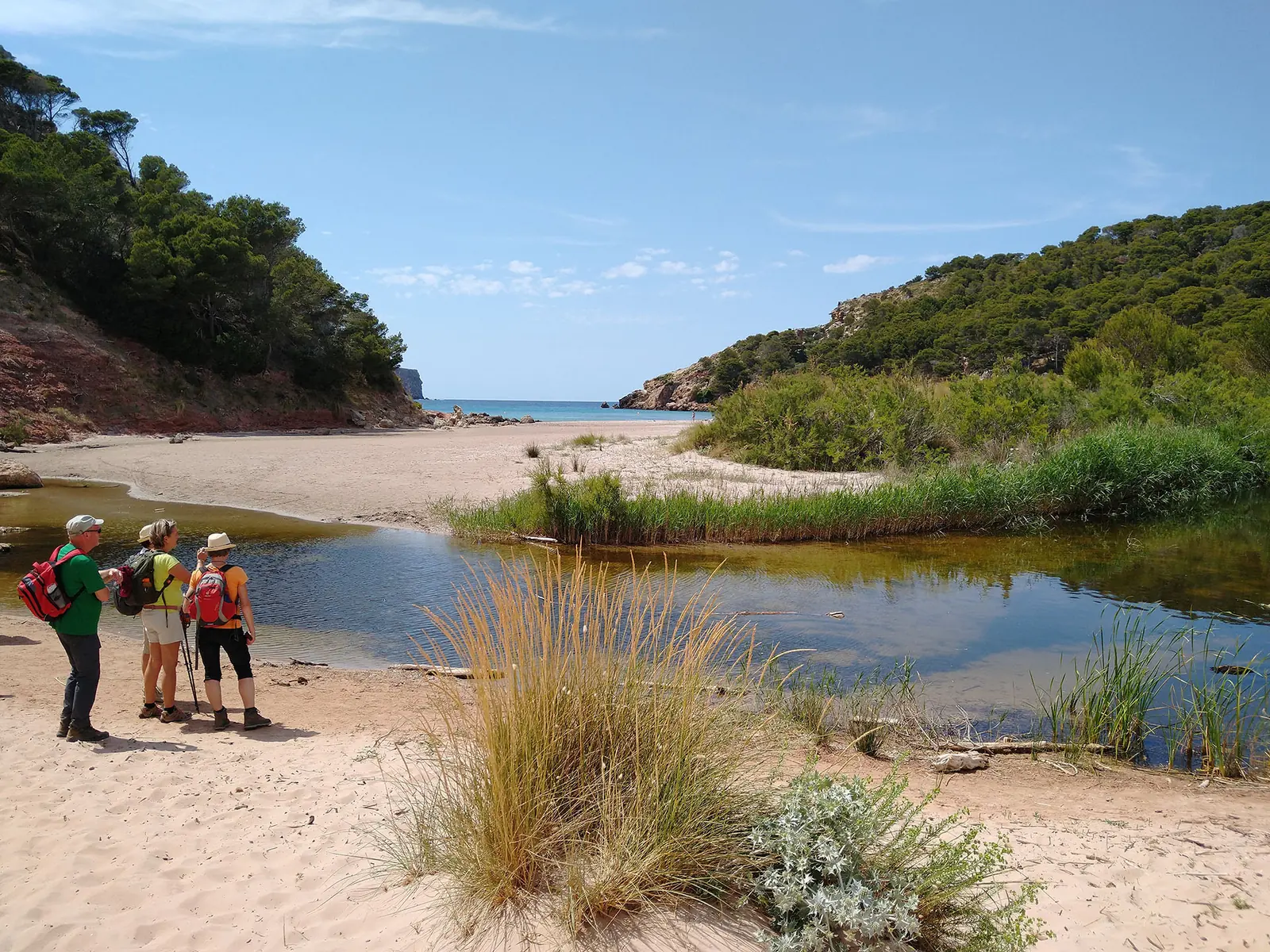
The path links many of the best beaches and coves and crosses landscapes of the Biosphere Reserve. A guide can suggest the stages that best fit your level and interests.
© APITMe
© APITMe
© APITMe
© APITMe
© APITMe
© APITMe
© APITMe
© APITMe
© APITMe
© APITMe
© APITMe
© APITMe
Tell us what interests you and in which language, and one of our guides will get in touch with you.
The principal attraction and hence the most valued resource of the island are the beaches. As a result, the most important type of tourism in Menorca is still that of 'sun and sand' along with nautical tourism.
With more than 1,500 sites cataloged in an area of just 700km², 1,200 of which are from prehistoric times, Menorca boasts an unrivaled historical heritage…
Menorca’s insularity, its remoteness from mainland Europe and Africa owing to its central location in the western Mediterranean, the millenary influence of the elements on its territory…