The historical heritage of Menorca
With more than 1,500 sites cataloged in an area of just 700km², 1,200 of which are from prehistoric times, Menorca boasts an unrivaled historical heritage…
Heritage, culture and traditions
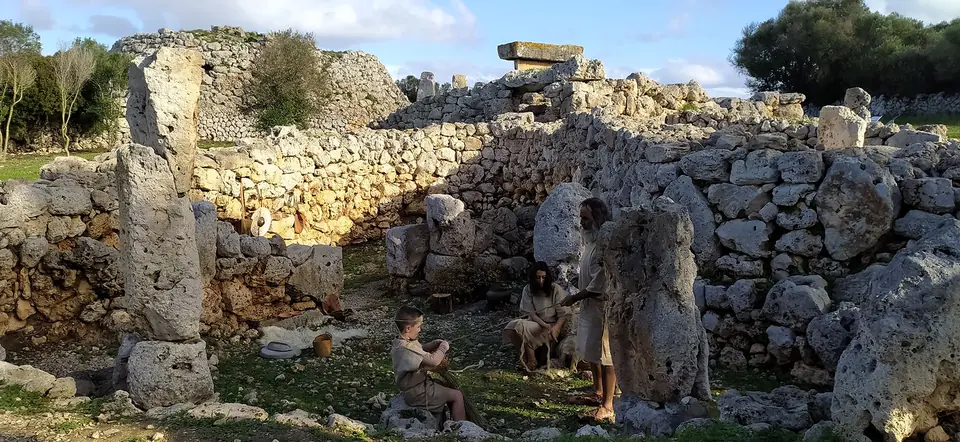
Talayotic Menorca is the group of prehistoric sites that UNESCO inscribed on the World Heritage List in 2023. It brings together the remains of an island society that, for more than two thousand years, built monuments out of huge blocks of stone that exist nowhere else in the world.
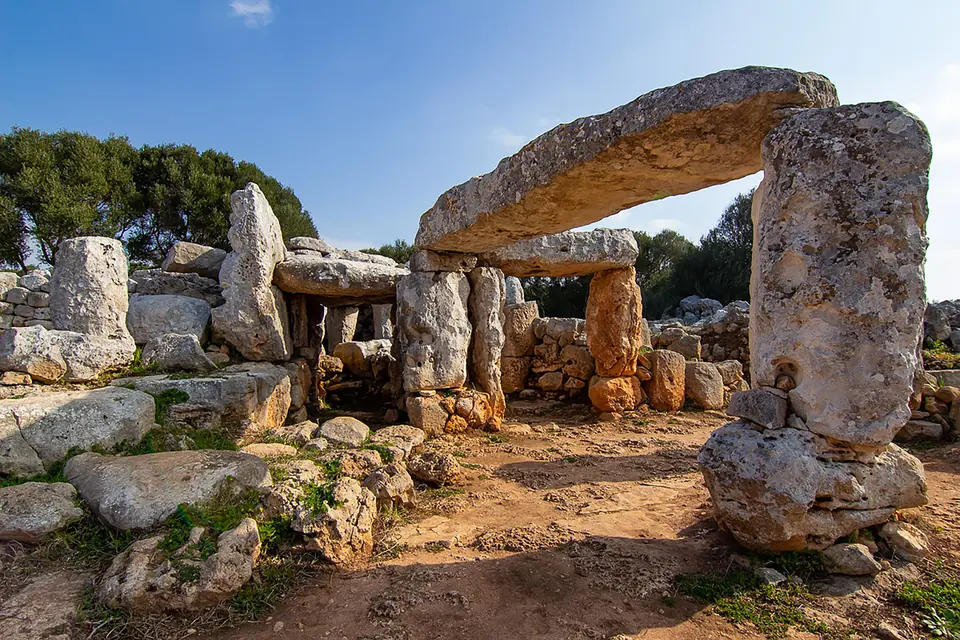
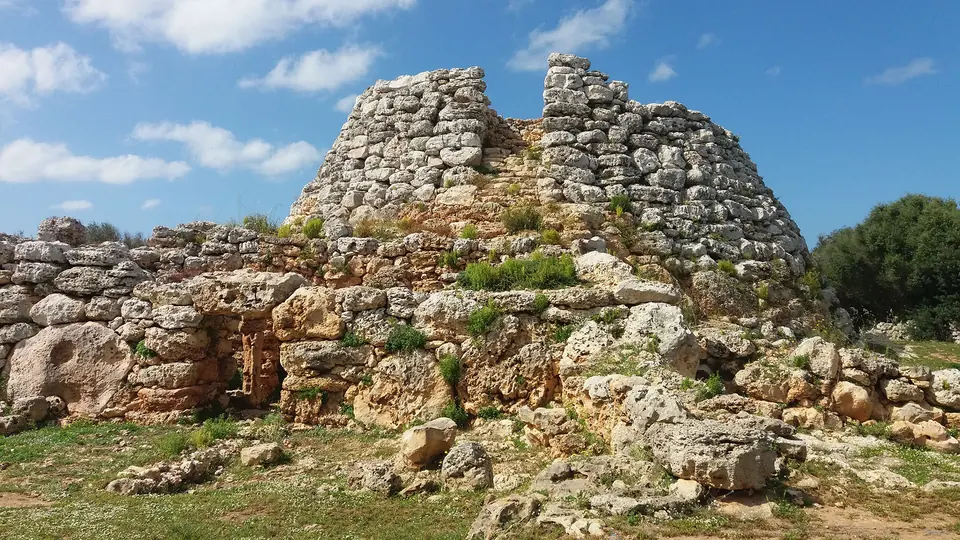
Talayotic culture spans the period from the arrival of the first inhabitants on the island, some 4,200 years ago, until the Roman conquest in 123 BC. It takes its name from the talayots, the stone towers that stood at the heart of the settlements.
Menorca has more than 1,500 catalogued sites in barely 700 km², around 1,200 of them prehistoric. That density, together with their good state of preservation, makes the island a genuine open-air museum.
Up to fifteen types of structure, with different functions, have been identified. These are the most characteristic:
The 2023 inscription protects nine territorial areas that are representative of this culture. The monuments stand out for their uniqueness, monumentality, abundance and good state of preservation, and they are the only trace of the archaic Mediterranean society that lived on the island.
Some of the best known, which appear in the photographs in this article, are Torre d’en Galmés, Torralba d’en Salort, Talatí de Dalt, Son Catlar, Torrellafuda, the Naveta des Tudons, the Cala Morell necropolis and the hypogea of Cales Coves.
Many sites are in the countryside and some have opening hours or access conditions, so check before you go. Wear comfortable shoes and bring water and sun protection. Without an explanation these stones are hard to read: a guided visit helps you understand how people lived and what the monuments meant. More background in the article on the historical heritage of Menorca and the one on the Biosphere Reserve.
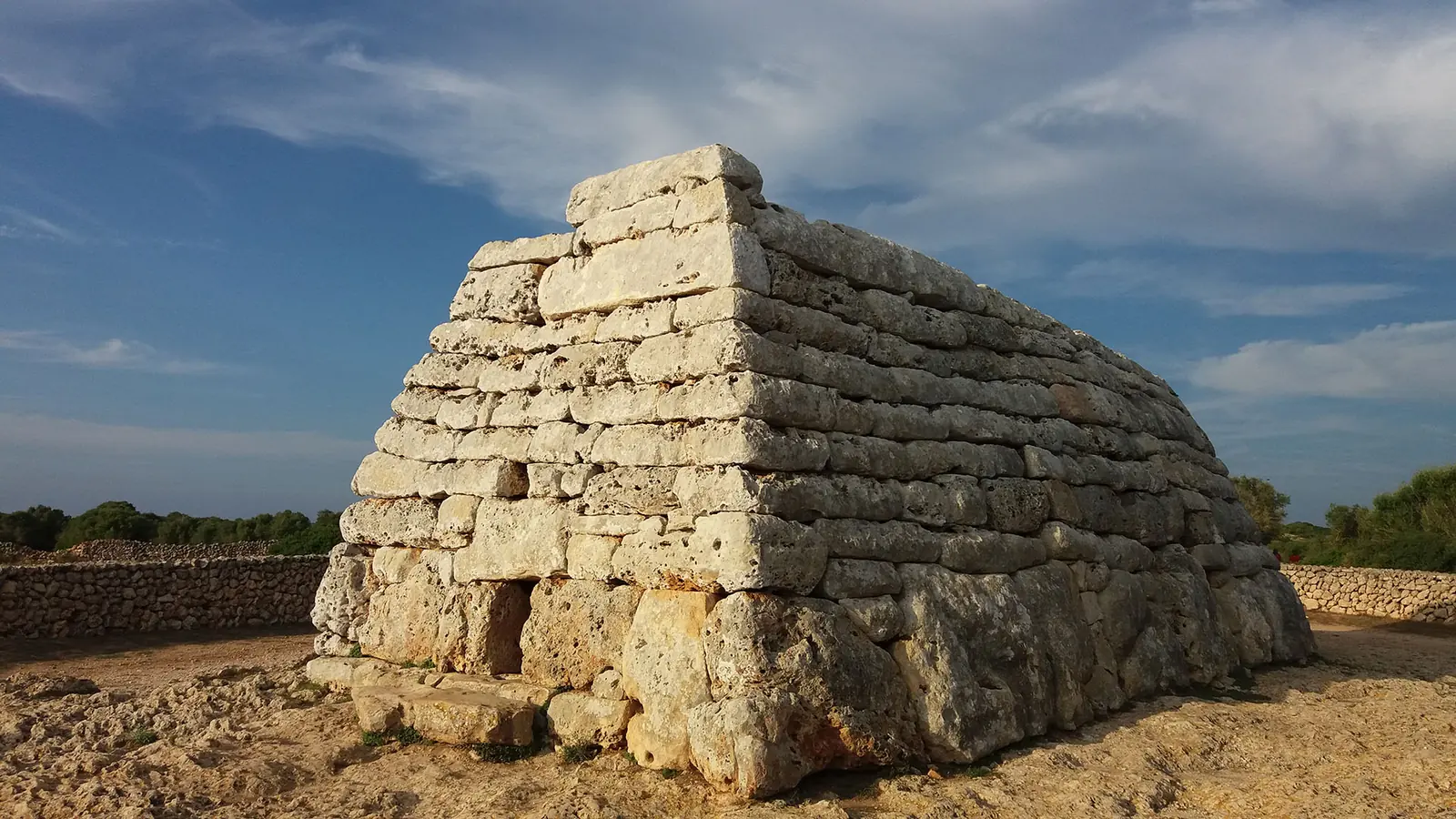
Naveta des Tudons © Alvin Delanghe
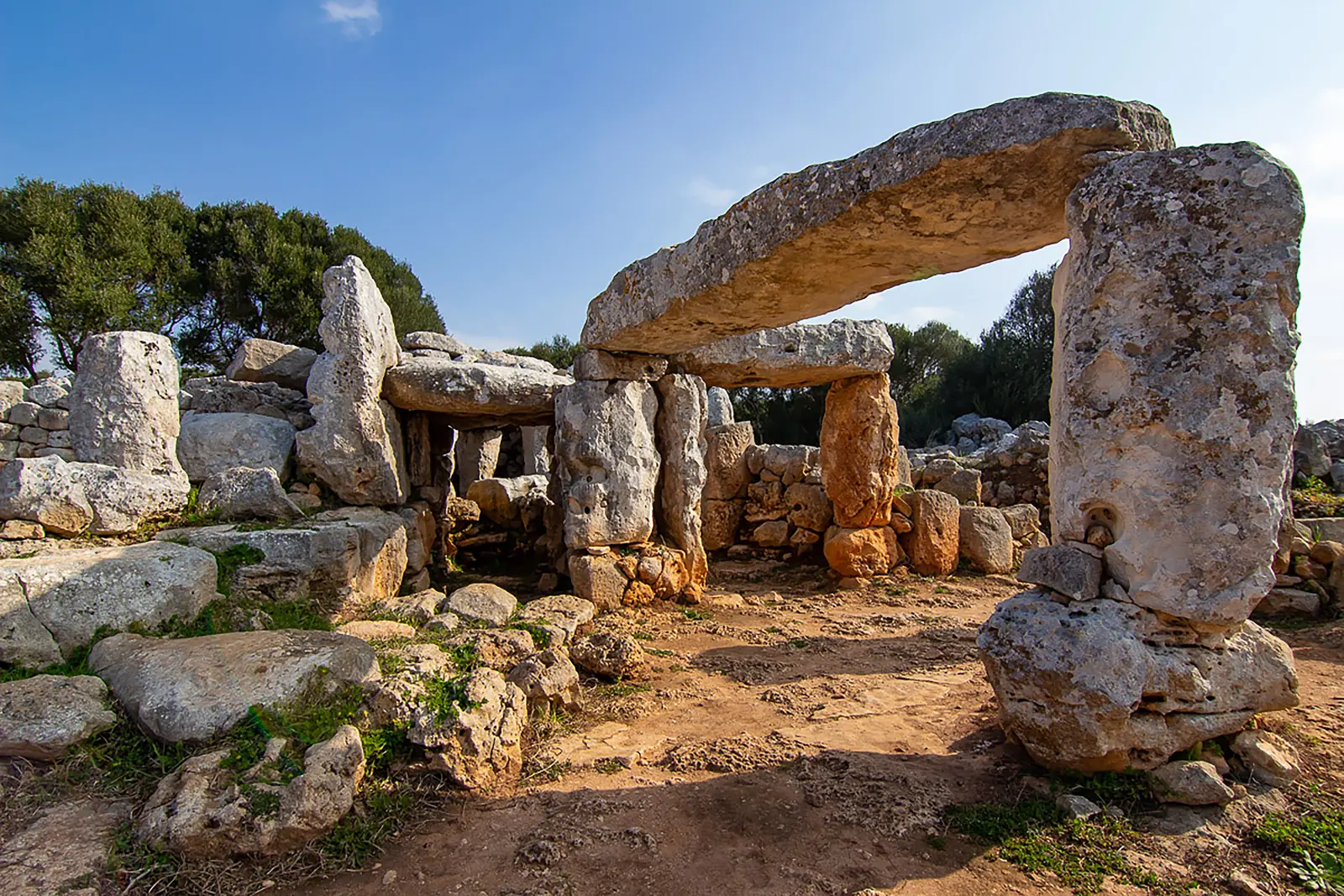
Torre d'en Galmés © Lluís Ametller
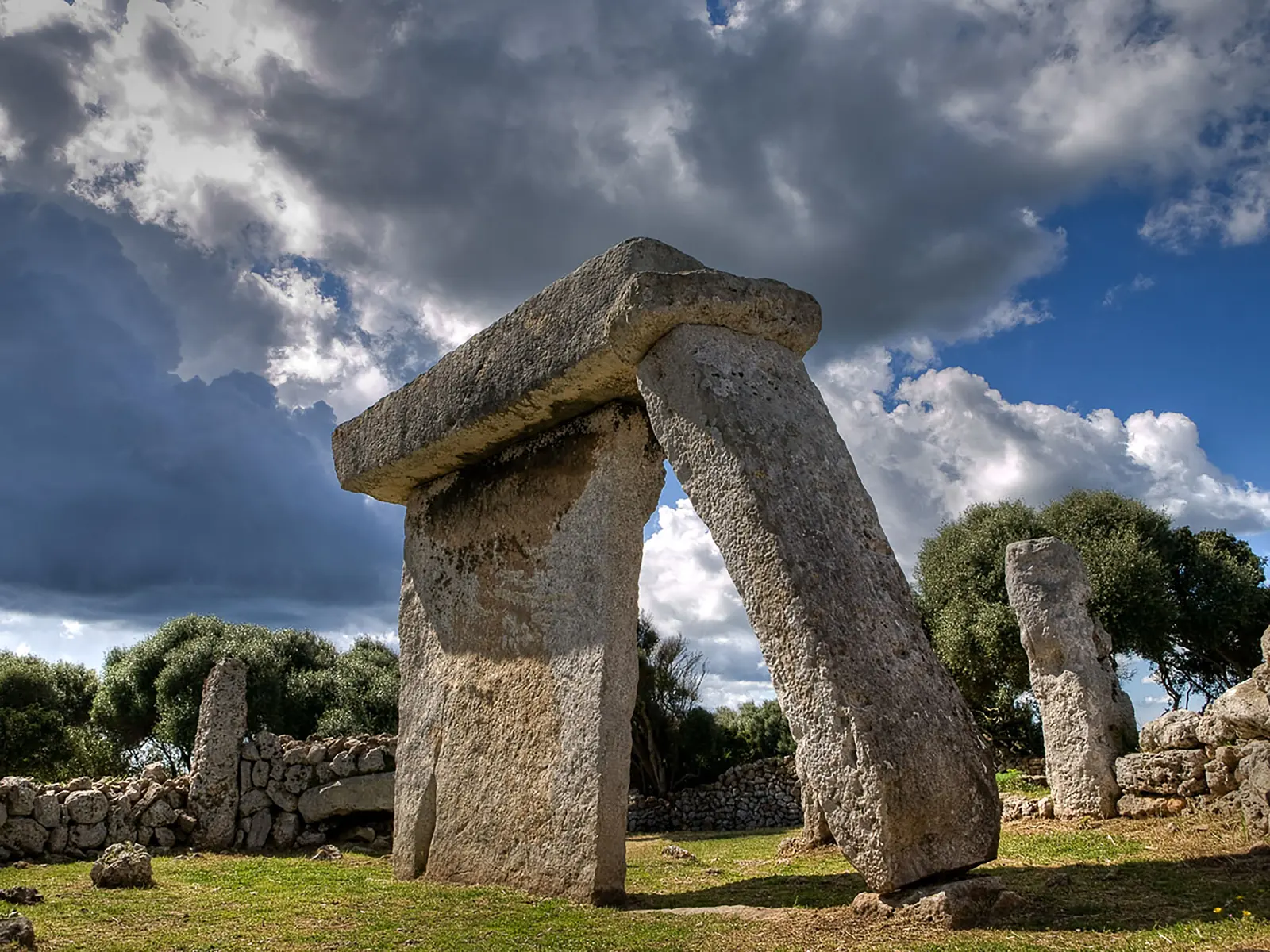
Talatí de Dalt © Lluís Ametller
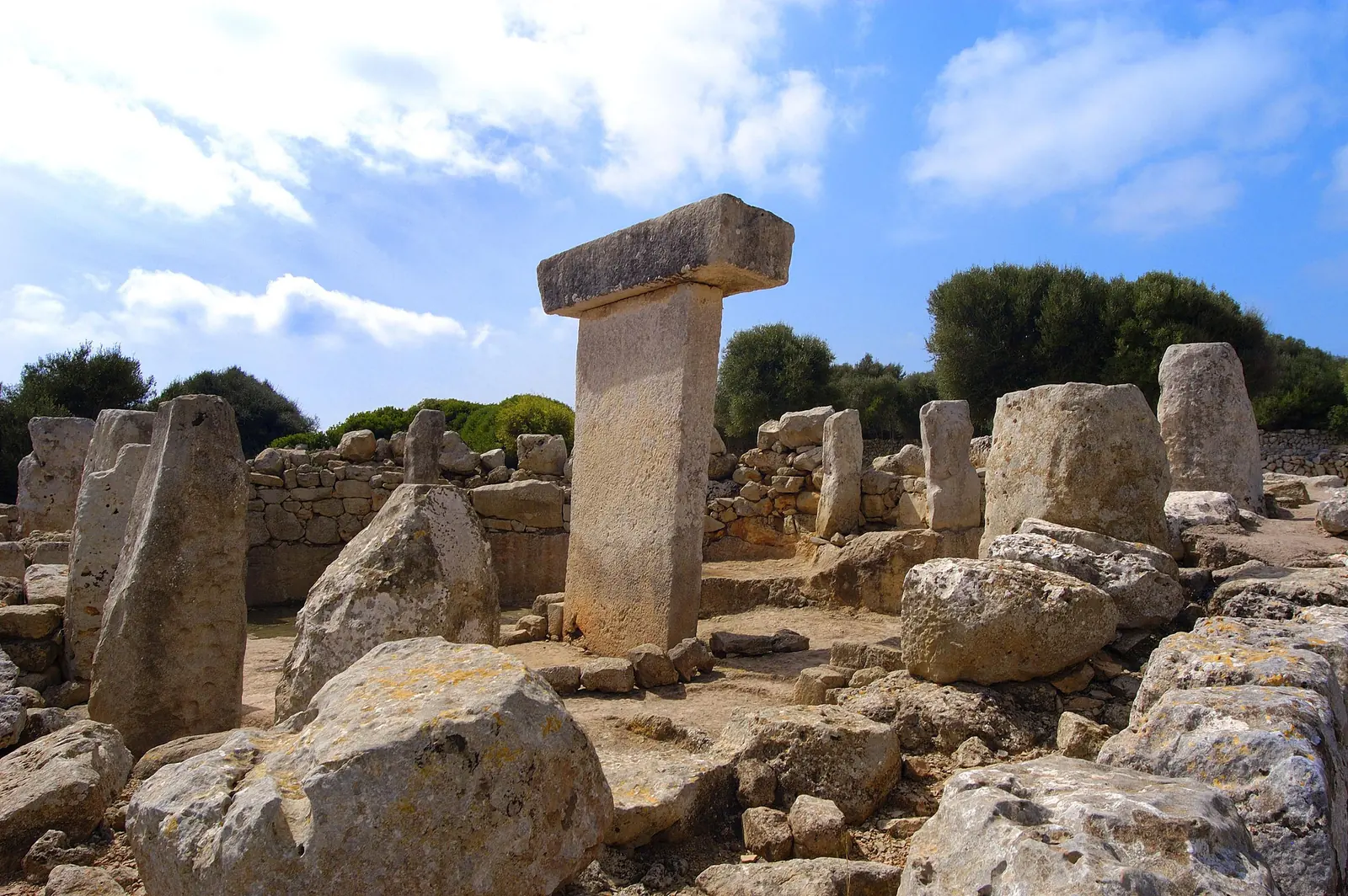
Torralba d'en Salort © Fundació Foment del Turisme de Menorca
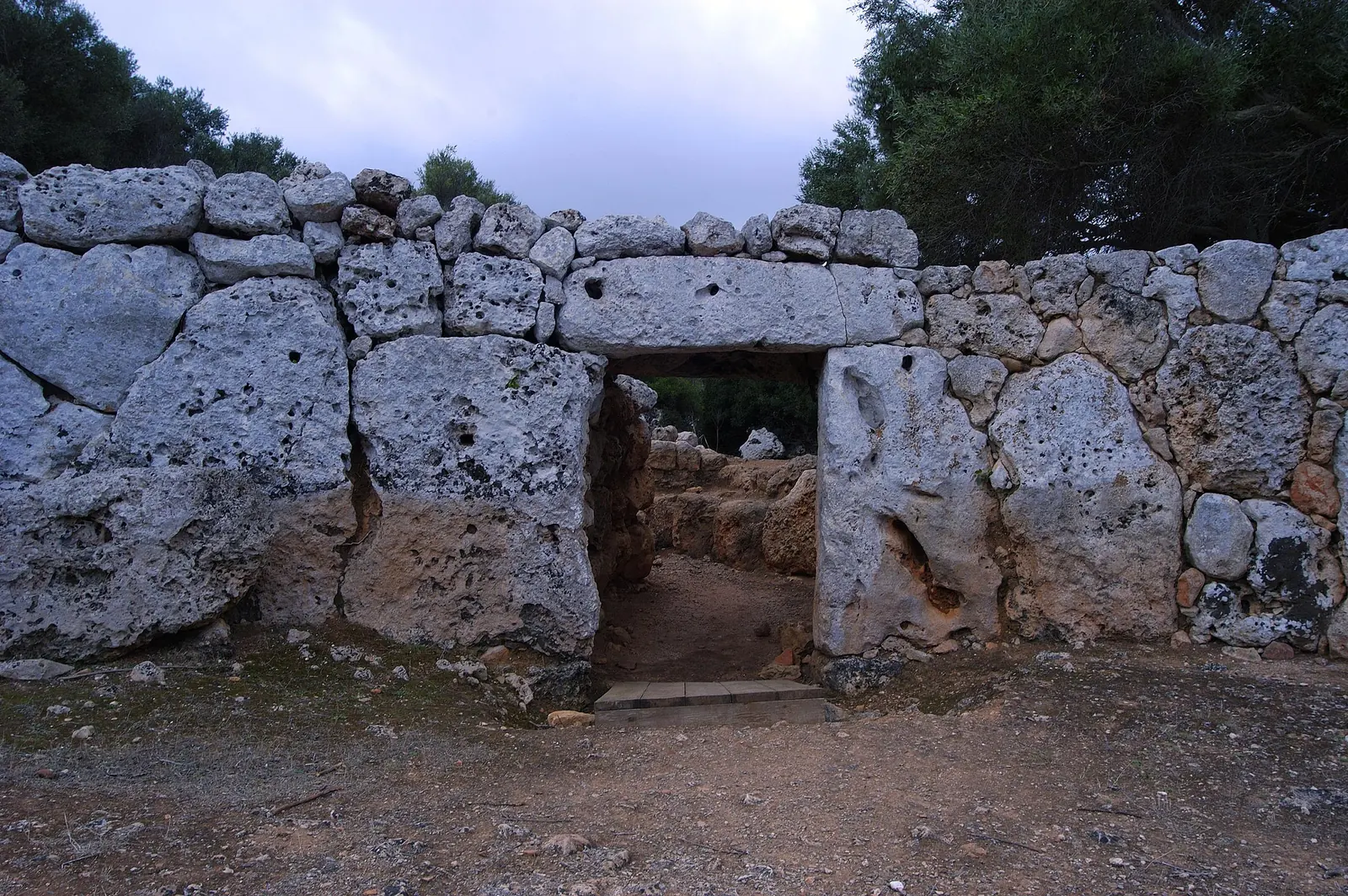
Son Catlar © Fundació Foment del Turisme de Menorca
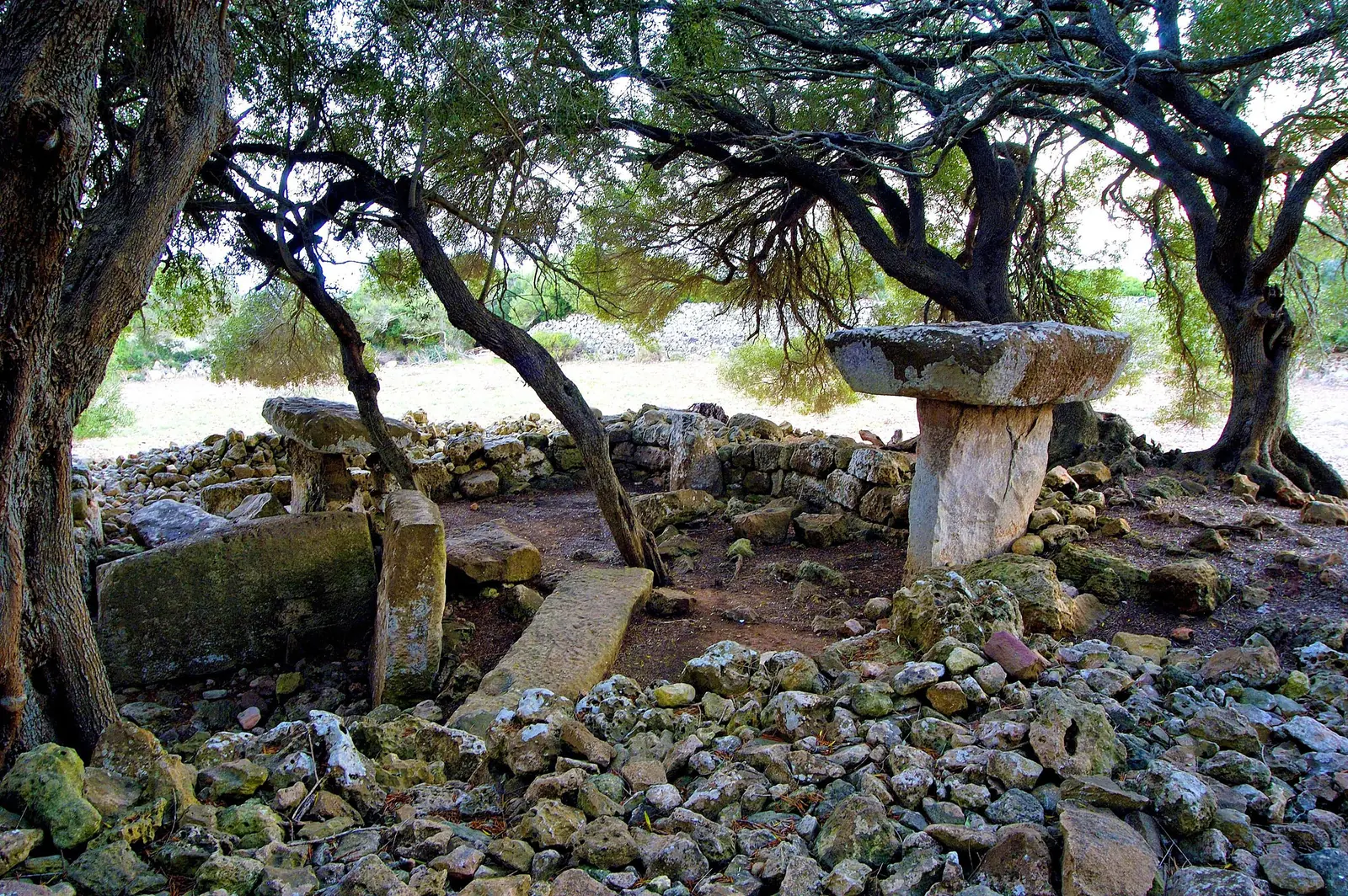
Torrellafuda © Fundació Foment del Turisme de Menorca
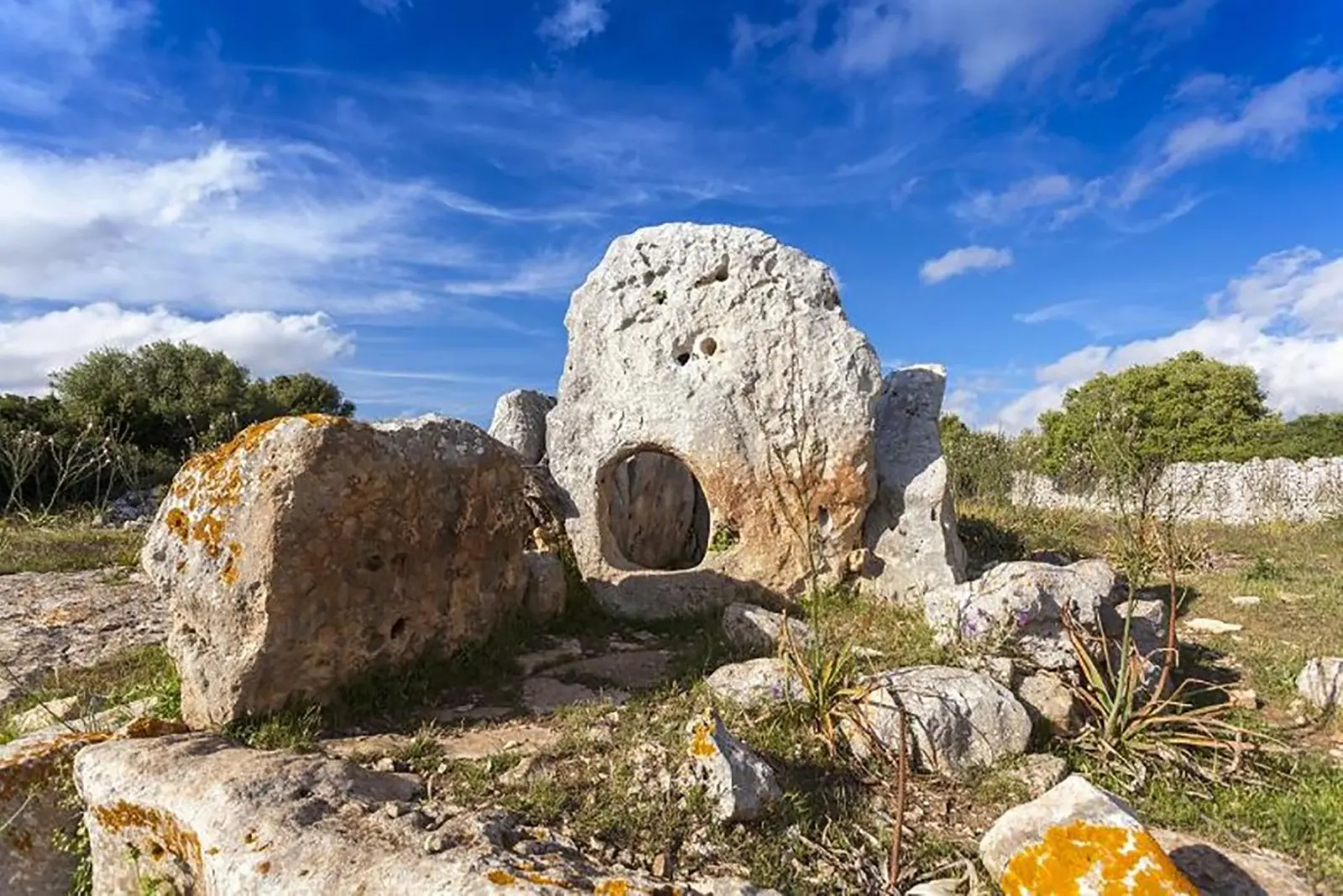
Ses Roques Llises © Alvin Delanghe
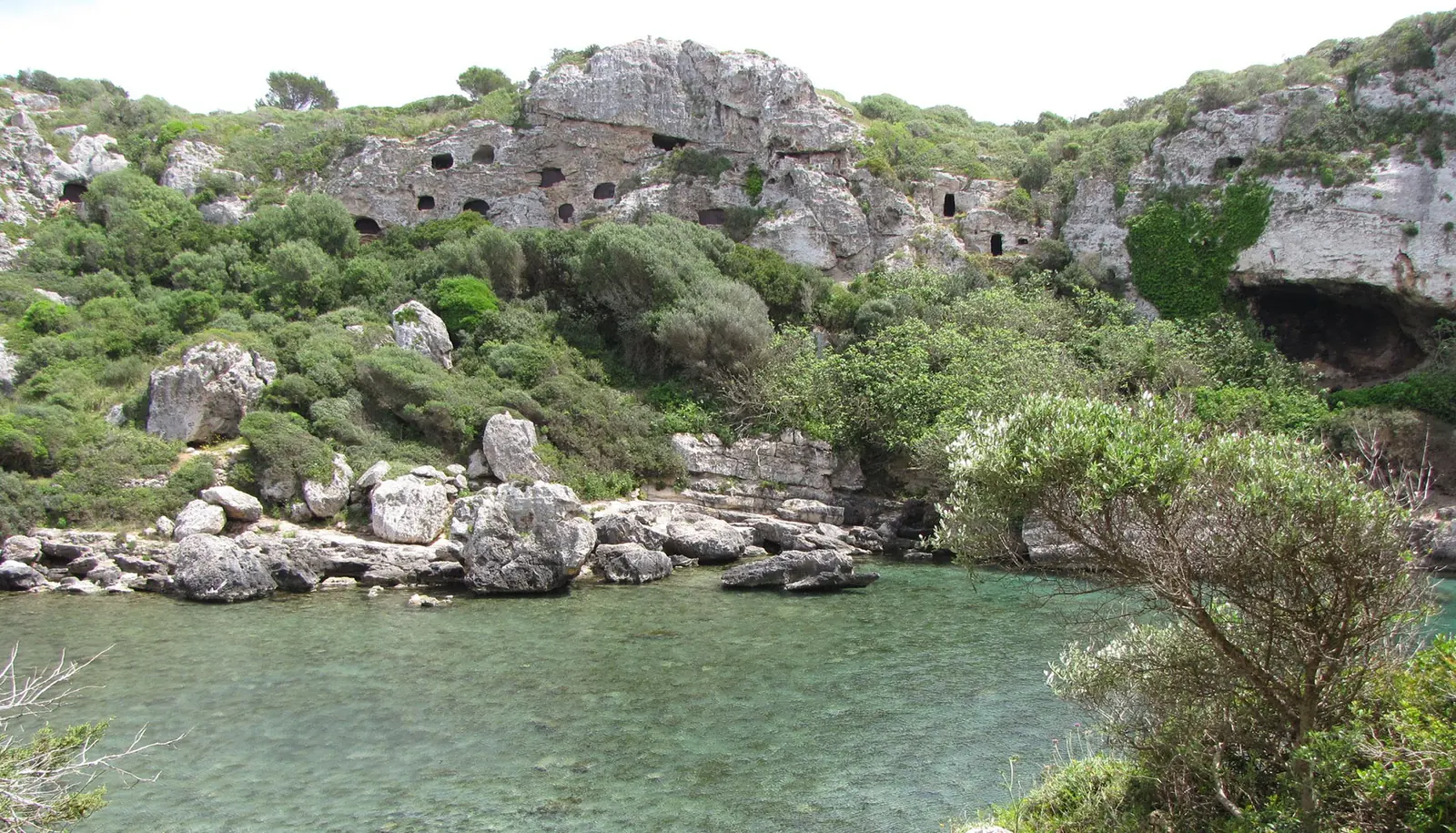
Cales Coves © Alvin Delanghe
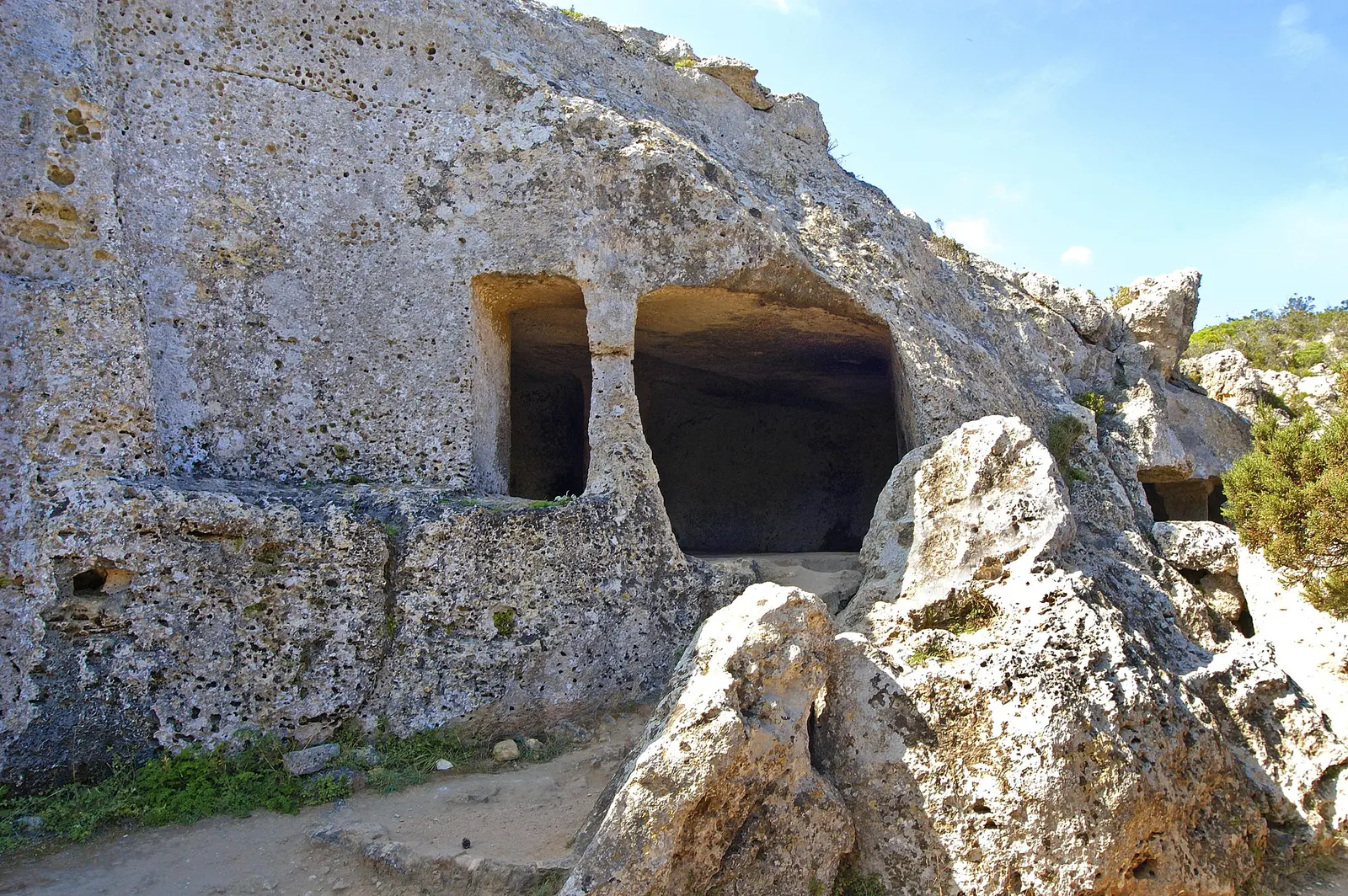
Necròpolis de Cala Morell © Fundació Foment del Turisme de Menorca
Tell us what interests you and in which language, and one of our guides will get in touch with you.
With more than 1,500 sites cataloged in an area of just 700km², 1,200 of which are from prehistoric times, Menorca boasts an unrivaled historical heritage…
Due to its strategic position in the centre of the western Mediterranean basin, Menorca has been home to many different cultures, each of whom have left an exceptionally rich historical legacy.
Menorca’s insularity, its remoteness from mainland Europe and Africa owing to its central location in the western Mediterranean, the millenary influence of the elements on its territory…